Introduction: The Art of Layering Curtains
When it comes to window treatments, few strategies deliver the same blend of style, functionality, and versatility as layering curtains. By combining lightweight sheer panels with dense blackout drapes, you can transform any room into a space that adapts to your needs—offering soft diffused light by day and complete darkness by night. This guide explores why the sheers + blackout perfect combo is a game-changer for homeowners and designers alike, covering everything from fabric selection to installation and care.
___PROTECTED_1___
The Anatomy of a Layered Curtain System
Sheer Curtains: Purpose and Benefits
Sheer curtains are made from lightweight, semi-transparent fabrics like voile, lace, or cotton blends. Their primary role in a layered setup is to filter harsh sunlight, reduce glare, and provide a degree of privacy while still allowing natural light to fill the room. Sheers soften the look of windows, create an airy ambiance, and work as a first line of defense against UV fading for furniture and flooring.
Blackout Curtains: Light Blocking and Insulation
Blackout curtains, on the other hand, are constructed with multiple layers of dense fabric, often including a foam or acrylic coating that blocks up to 99% of external light. They also offer thermal insulation—keeping rooms cooler in summer and warmer in winter—and significantly dampen outside noise. When paired with sheers, blackout curtains become the heavy hitter for total darkness and energy efficiency.
___PROTECTED_2___
Design and Aesthetic Appeal
Layering curtains adds depth, texture, and visual interest to any window. The contrast between the ethereal transparency of sheers and the solid, plush weight of blackout drapes creates a sophisticated, hotel-like look. You can mix colors and patterns: neutral sheers with bold blackout panels, or vice versa. For a cohesive design, choose sheers that echo a color in your blackout curtains or pick complementary tones. This combination also allows you to change the mood of a room simply by adjusting the layers—open both for maximum light, close sheers for privacy, or seal all for sleep.
Practical Benefits: Light Control and Privacy
One of the greatest advantages of the sheers + blackout combo is dynamic light control. During the day, you can keep sheers drawn to soften sunlight while maintaining a view of the outside. In the evening, close the blackout layer for complete privacy and darkness. This dual system is ideal for bedrooms, media rooms, and any space where you need both natural light during active hours and pitch-black sleep conditions at night. Moreover, sheer curtains offer daytime privacy (preventing outsiders from seeing in) while still letting light through—something blackouts alone cannot do.
How to Choose the Right Fabrics
Selecting the right materials is crucial for performance and longevity. For sheers, opt for 100% polyester or linen-blend fabrics that resist wrinkling and are easy to clean. For blackout curtains, look for triple-weave construction with a thermal backing. Consider these factors:
- Opacity Level: Sheers should be 30-50% transparency; blackouts should be 99% light-blocking.
- Color and Pattern: White or cream sheers reflect light well; dark blackouts absorb heat—choose lighter lining if insulation is a concern.
- Lining: Blackout curtains with a separate lining (e.g., polyester foam) last longer and are easier to maintain.
- Weight: Heavy blackouts require sturdy rods; sheers can be hung on a secondary lightweight rod.
Installation and Hardware Tips
Layering two curtain types typically requires either a double curtain rod (a front rod for sheers and a back rod for blackouts) or a single telescopic rod with two layers. For a seamless look, install the blackout rod closer to the window and the sheer rod slightly further out. Use rings or grommets for smooth gliding. Ensure rods extend beyond the window frame to allow full stack-back, so curtains don't block glass when open. For a dramatic effect, mount the rod high near the ceiling to make the room appear taller.
Care and Maintenance for Layered Curtains
Proper care extends the life of your curtains. Sheers often require gentle machine washing on a delicate cycle with mild detergent, then hang drying to avoid shrinkage. Blackout curtains are best dry-cleaned or spot-cleaned, as machine washing can damage the coating. Vacuum both layers occasionally using a brush attachment to remove dust. Follow manufacturer labels, and avoid prolonged sun exposure on the blackout side to prevent acrylic degradation.
Industry Application Cases
Residential Homes
In master bedrooms and nurseries, layered sheers + blackouts ensure optimal sleep environments. Living rooms benefit from the aesthetic flexibility—hosting a party? Open both layers and enjoy natural light. Movie night? Draw everything shut for a theater-like experience.
Hospitality (Hotels & Resorts)
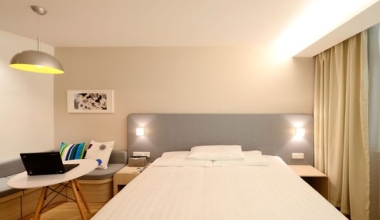
High-end hotels routinely use this combination to offer guests adjustable light control. Sheers maintain a bright, welcoming lobby during the day, while blackouts in guest rooms guarantee undisturbed sleep. The layered look also adds an upscale, cozy feel that drives positive reviews.
Commercial Offices
In contemporary offices, sheer curtains reduce glare on computer screens while blackout panels eliminate harsh afternoon sun. Some meeting rooms use blackouts for presentations, then open sheers to maintain an open-plan feel.
Conclusion: Master Your Window Treatment
Layering sheers with blackout curtains is more than a trend—it's a timeless approach that balances design and practicality. Whether you're renovating your home, outfitting a hotel, or designing a corporate space, this combo offers unmatched flexibility in light, privacy, and aesthetics. Start by measuring your windows, selecting complementary fabrics, and investing in quality hardware. Your perfect layering system awaits.