Understanding the Differences for Hotel Noise Control
When managing guest comfort in hotels, noise control is a critical factor. Two popular solutions are acoustic curtains and soundproof panels. While both aim to reduce unwanted sound, they work differently and suit different scenarios. This guide provides a comprehensive comparison to help hotel owners, interior designers, and facility managers make an informed decision.
___PROTECTED_1___
What Are Acoustic Curtains?
Acoustic curtains are heavy, multilayered fabric drapes designed to absorb and block sound. They are typically made from dense materials like velvet, suede, or specialized acoustic fabrics with mass-loaded vinyl (MLV) inner layers. These curtains are easy to install, can be drawn open or closed, and also provide light control and thermal insulation.
Pros of Acoustic Curtains for Hotels
- Aesthetic versatility: Available in many colors, textures, and styles (blackout, sheer, velvet) to match hotel décor.
- Flexible use: Can be opened during the day, closed at night, offering both privacy and noise control when needed.
- Cost-effective: Generally less expensive than installing soundproof panels, especially for covering large window areas.
- Easy installation: Mounted on standard curtain rods or tracks; no permanent modifications to walls required.
- Dual function: Often also provide thermal insulation and blackout capabilities, enhancing energy efficiency and sleep quality.
Cons of Acoustic Curtains for Hotels
- Limited soundproofing: Effective for absorbing mid-to-high frequency sounds (voices, TV noise) but less effective against low-frequency bass or structural vibrations.
- Gaps and leaks: Sound can bypass curtains through gaps at the edges, top, or bottom unless properly sealed with magnetic strips or Velcro.
- Maintenance: Dust accumulation; may require regular cleaning or dry cleaning, which can be costly for large properties.
- Not a complete solution: They reduce sound transmission but cannot fully soundproof a room; best used in combination with other treatments.
___PROTECTED_2___
What Are Soundproof Panels?
Soundproof panels (acoustic panels) are rigid or semi-rigid boards made from foam, fiberglass, mineral wool, or recycled materials, often wrapped in fabric. They are mounted on walls, ceilings, or doors to absorb sound or block its passage. Panels vary in thickness, density, and NRC (Noise Reduction Coefficient) ratings.
Pros of Soundproof Panels for Hotels
- Superior sound absorption: High NRC ratings (0.8-1.0) effectively dampen echo and reverberation, especially in conference rooms or corridors.
- Better low-frequency control: Thick dense panels can reduce bass noise from HVAC systems or neighboring rooms.
- Permanent improvement: Once installed, panels provide consistent performance without daily adjustment.
- Customizable shapes: Available in squares, triangles, or even decorative patterns that blend with interior design.
- Durable: Long lifespan with minimal maintenance; some are washable or resistant to moisture.
Cons of Soundproof Panels for Hotels
- Higher upfront cost: Depending on material and coverage area, panels can be more expensive than curtains, especially for large rooms.
- Permanent installation: Panels require mounting on walls or ceilings; removal or repositioning can damage surfaces and leave holes.
- Less flexible: They do not open or close; if you need adjustable privacy, panels alone won’t suffice.
- Aesthetic limitation: While customizable, they may not match all décor styles; some guests perceive them as utilitarian or clinical.
- Installation complexity: Professional installation is often required for optimal performance, especially for heavy or thick panels.
Acoustic Curtains vs Soundproof Panels: Head-to-Head Comparison
| Feature | Acoustic Curtains | Soundproof Panels |
|---|---|---|
| Noise reduction effectiveness | Moderate (mid/high frequencies) | High (all frequencies, especially low) |
| Installation ease | Easy (DIY possible) | Requires professional or moderate skill |
| Cost per square foot | $3–$15 | $8–$30+ |
| Flexibility (open/close) | Fully flexible | No flexibility |
| Maintenance | Regular dusting, occasional cleaning | Low (wipe or vacuum) |
| Aesthetic options | Wide range (velvet, sheer, blackout) | Limited fabric colors and shapes |
| Dual functionality | Also controls light and temperature | Primarily acoustic only |
| Best use case | Guest rooms, windows, sliding doors | Conference rooms, hallways, acoustic ceilings |
Factors to Consider When Choosing for Hotels
Room Type and Purpose
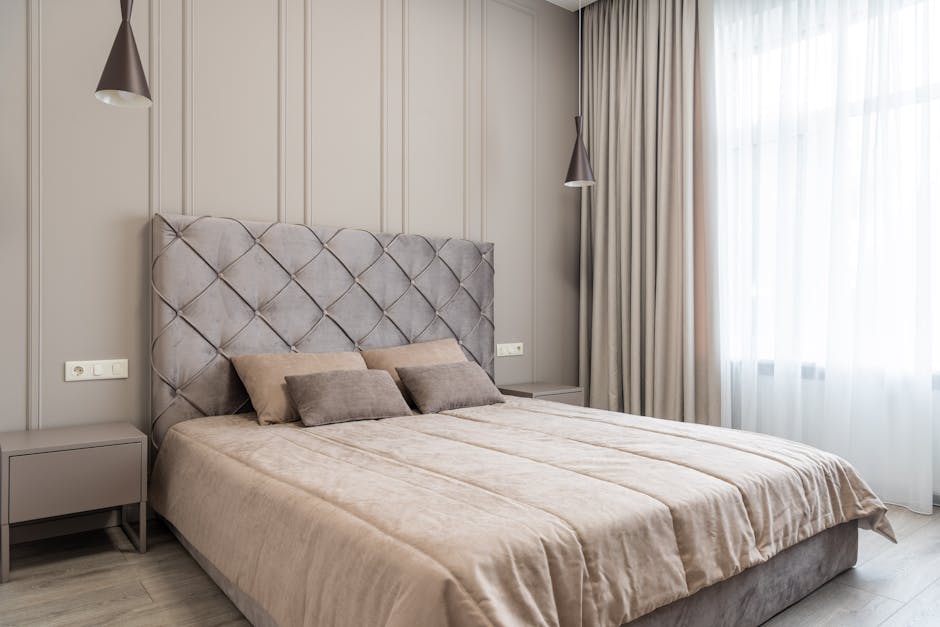
Guest bedrooms often benefit from acoustic curtains because they can be drawn to block exterior noise while also providing blackout for sleeping. For conference rooms or banquet halls, soundproof panels are better to control echo and improve speech clarity.
Noise Source
Identify whether the noise is coming through windows (traffic, street sounds) or through walls/ceilings (neighbors, HVAC). Curtains are effective for window noise, while panels are better for wall/ceiling sound transmission.
Budget
Acoustic curtains offer a more budget-friendly option for covering large areas. Soundproof panels require a higher initial investment but may be necessary for rooms with critical acoustics, such as a wellness center or recording studio in the hotel.
Aesthetics and Guest Experience
Luxury hotels often prefer the elegant appearance of velvet or blackout curtains. Soundproof panels can be disguised as decorative wall art but may still feel less inviting in some décor styles.
Maintenance and Durability
Curtains need more frequent cleaning in high-traffic areas. Panels are low-maintenance but may absorb odors or collect dust over time if not sealed.
Best Practices for Implementing Acoustic Curtains in Hotels
- Choose heavy, multilayered fabrics: Velvet or acoustic-grade materials with a minimum weight of 300 g/m².
- Ensure full coverage: Use curtains that extend slightly beyond the window frame and touch the floor to minimize gaps.
- Add a lining: A blackout or thermal lining enhances noise reduction and light management.
- Use track systems: Ceiling-mounted tracks eliminate the gap at the top; add side channels if possible.
- Combine with other treatments: Pair curtains with door sweeps and weatherstripping for a more comprehensive solution.
Best Practices for Installing Soundproof Panels in Hotels
- Cover at least 20% of the room surface: For significant echo reduction, panels should be placed on opposite walls or corners.
- Thickness matters: Panels thicker than 2 inches (5 cm) absorb more low-frequency noise.
- Use a staggered pattern: Offset panels across walls to break up sound reflections.
- Consider acoustic ceiling tiles: For high ceilings or open lobbies, ceiling panels can be very effective.
- Opt for fire-rated materials: Compliance with hotel safety regulations is mandatory; choose Class A fire-rated panels.
Real-World Application: A Case Study at the Grand Vista Hotel
The Grand Vista Hotel faced complaints about street noise in its street-facing rooms and echo issues in its conference center. They installed acoustic curtains with magnetic side seals on all windows in guest rooms, reducing noise complaints by 70%. For the conference center, they used soundproof panels on the walls and ceiling, which improved speech clarity and reduced reverberation time from 2.5s to 0.8s. The mixed approach provided a cost-effective and tailored solution.
Conclusion: Which One Should Your Hotel Choose?
Both acoustic curtains and soundproof panels have their place in hotel noise management. For most guest rooms, acoustic curtains offer a flexible, cost-effective, and aesthetically pleasing solution. For spaces that require exceptional sound control—like meeting rooms, hallways, or recording studios—soundproof panels deliver superior performance. In many cases, a combination of both provides the best result. Assess your specific noise sources, budget, and design needs before deciding. Consult with an acoustic professional to conduct a noise assessment and recommend the optimal mix for your hotel property.