Introduction
When it comes to designing a resort, every detail matters—from the lobby's grand chandeliers to the poolside loungers. But one element that often gets overlooked yet plays a pivotal role in guest comfort and operational efficiency is curtains. The right curtains for resorts do more than just dress windows; they control light, enhance privacy, reduce noise, and contribute to the overall aesthetic. Whether you're managing a beachfront villa, a mountain lodge, or an urban luxury hotel, choosing the right fabric and style is essential. In this comprehensive guide, we'll explore the best curtain options for resorts—blackout, sheer, velvet, and acoustic fabrics—along with buying tips, care advice, and real-world applications to help you make an informed decision.
___PROTECTED_1___
Why Resorts Need Specialized Curtains
Resorts face unique challenges that standard residential curtains can't address. High occupancy rates, varying climate conditions, and the need to create a consistent brand experience demand durable, functional, and aesthetically pleasing window treatments. Specialized curtains can:
- Enhance guest sleep quality: Blackout curtains block up to 99% of light, ensuring deep rest regardless of time zone or daylight hours.
- Improve energy efficiency: Thermal linings in velvet or blackout fabrics help regulate room temperature, reducing HVAC costs.
- Reduce noise pollution: Acoustic curtains minimize outside sounds, creating a peaceful retreat for guests.
- Add a touch of luxury: Sheer fabrics provide elegance without sacrificing natural light, while velvet adds depth and opulence.
In short, investing in high-quality curtains for resorts directly impacts guest satisfaction and operational budgets.
___PROTECTED_2___
Fabric Choices for Resort Curtains
1. Blackout Curtains: The Essential Sleep Aid
Blackout curtains are a must-have for any resort aiming to deliver premium sleep experiences. Made with tightly woven fabrics or a special foam backing, they block external light sources such as streetlights, morning sun, or neighboring buildings. For resorts, consider these features:
- Multiple layers: A triple-weave construction offers better light blockage and insulation.
- Color options: Darker colors like navy, charcoal, or deep brown provide maximum opacity, but lighter shades with blackout linings can also work well.
- Custom sizes: Floor-to-ceiling panels and wide widths accommodate large windows common in resorts.
2. Sheer Curtains: Balancing Light and Privacy
Sheers are ideal for common areas like lobbies, restaurants, and guest room balconies where you want to maintain a connection with the outdoors while diffusing harsh sunlight. They come in various weaves—from voile to lace—and can be layered with blackout drapes for versatility. Benefits for resorts include:
- Softening views: Sheers reduce glare and create a dreamy ambiance.
- UV protection: Many sheers still block a percentage of harmful UV rays, protecting furniture and flooring.
- Lightweight: Easy to clean and maintain, especially in coastal areas where salt air can accelerate fabric wear.
3. Velvet Curtains: Luxury and Warmth
Velvet is synonymous with luxury. Its plush texture and rich color saturation make it a favorite for high-end suites and ballrooms. However, resorts must choose performance velvet that resists crushing, staining, and fading. Key considerations:
- Fabric composition: Polyester velvet is more durable and easy-care than natural fibers like silk or cotton.
- Acoustic properties: Velvet's dense pile naturally absorbs sound, making it a great noise barrier.
- Weight: Heavier velvet may require reinforced rods and brackets.
4. Acoustic Curtains: Quieting the Chaos
For resorts near airports, highways, or bustling city centers, acoustic curtains are a game-changer. They are typically made with multiple layers of dense fabric and sometimes contain a specialized core that dampens sound waves. When choosing acoustic curtains:
- STC rating: Aim for an STC (Sound Transmission Class) of 25 or higher for noticeable noise reduction.
- Seal gaps: Use side channels, magnetic edges, or floor-length hems to create an airtight seal.
- Color selection: Neutral tones are popular, but vibrant colors are available without compromising performance.
Buying Guide: Considerations for Resort Curtains
Selecting the perfect curtains involves more than just fabric type. Here’s a checklist tailored to resort properties:
| Factor | Details |
|---|---|
| Fire Safety Regulations | All commercial curtains must meet local fire codes (e.g., NFPA 701 in the US or BS5867 in the UK). Ensure fabrics are treated with flame retardants. |
| Durability & Maintenance | Resort curtains are cleaned frequently. Opt for machine-washable polyester blends or fabrics with anti-static and stain-resistant coatings. |
| Light Control Levels | In guest rooms, 100% blackout is standard. In dining areas, consider motorized dual-track systems with sheers for daytime and blackout for evening. |
| Motorization & Automation | Smart curtains allow guests to open/close with remote or app, adding convenience and a modern touch. |
| Customization & Branding | Embroider your resort logo onto valances or choose colors that align with your brand palette. |
Care and Maintenance Tips
Proper care extends the life of resort curtains. Follow these guidelines:
- Regular vacuuming: Use a soft brush attachment weekly to remove dust; for velvet, a gentle hand brush works best.
- Spot cleaning: Blot spills immediately with a clean cloth—never rub. Use mild detergent if needed.
- Professional washing: For heavy or acoustic curtains, schedule quarterly cleaning by a hospitality linen service.
- Avoid direct sunlight: UV-resistant linings can help, but rotating curtains prevents uneven fading.
- Check hardware: Inspect rods, rings, and tracks at least twice a year to prevent accidents.
Industry Application Cases
Here are three real-world examples of successful curtain implementations in resorts:
Case 1: Beach Resort in Maldives
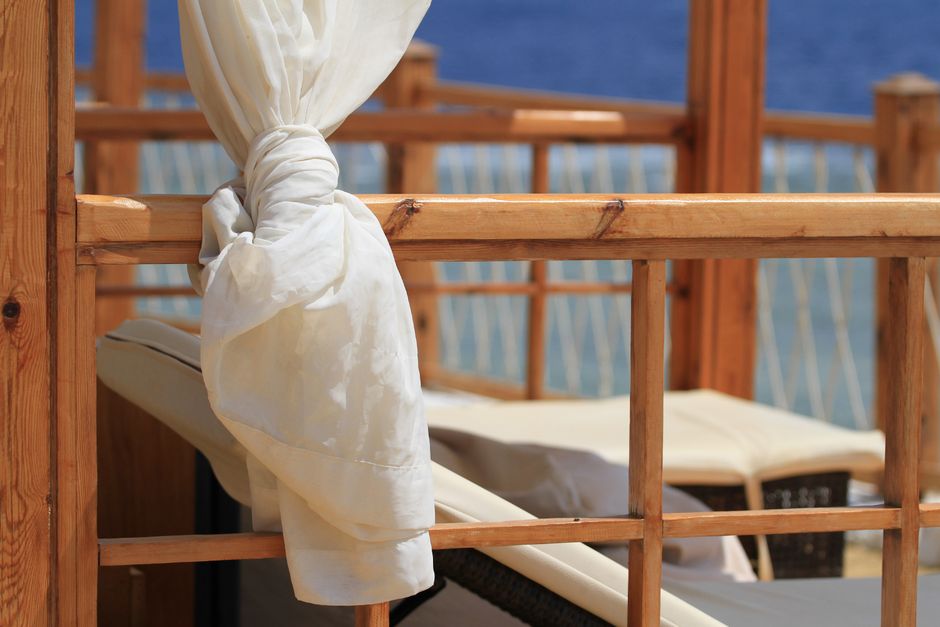
A luxury overwater villa resort opted for a combination of white sheer curtains on sliders to frame ocean views and blackout curtains for sleeping areas. The sheers allowed natural light while reducing glare from the turquoise water. Blackout linings with a foam backing helped keep rooms cool during midday heat, reducing AC usage by 15%.
Case 2: Mountain Lodge in Colorado
To combat noise from nearby ski lifts and create a cozy ambiance, this lodge installed floor-to-ceiling velvet curtains in warm burgundy tones in the lobby and guest suites. The dense fabric also improved thermal insulation, cutting heating costs in winter. Acoustic curtains were specified for rooms facing the main road, achieving a 30% reduction in noise complaints.
Case 3: Urban Boutique Hotel in New York
This hotel needed to block out constant city noise and early morning light. They chose triple-layer blackout curtains with an integrated acoustic core—STC 30—for all guest rooms. The fabrics were treated with a stain-resistant coating for easy maintenance. Since installation, sleep quality scores in reviews rose by 22%.
Conclusion
Curtains for resorts are not one-size-fits-all. By understanding the distinct benefits of blackout, sheer, velvet, and acoustic fabrics, you can tailor your selection to meet the specific needs of your property. Remember to prioritize fire safety, durability, and ease of care. Whether you're building a new resort or upgrading an existing one, investing in high-quality curtains is a decision that pays dividends in guest satisfaction and operational efficiency. Use this guide to make informed choices and elevate your resort's interior design to new heights.