Choosing between blackout curtains and Velvet Curtains often comes down to a balance between budget, functionality, and style. This comprehensive guide breaks down the true cost of each option—not just the price tag, but long-term value, maintenance, and performance—so you can make an informed decision.
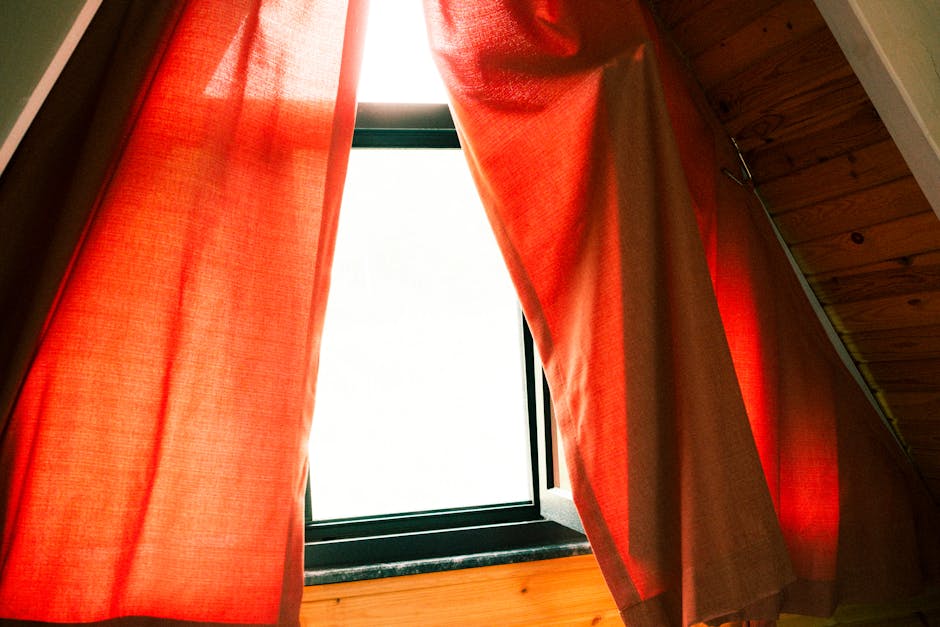
Understanding the Basics: Blackout Curtains vs Velvet Curtains
What Are Blackout Curtains?
Blackout curtains are typically made from a tightly woven fabric or come with a special backing (often acrylic or foam) that blocks external light. They are designed to darken a room completely, improving sleep quality, reducing glare on screens, and providing insulation against heat and cold. Most blackout curtains are polyester or a blend, making them affordable and easy to care for.
What Are Velvet Curtains?
Velvet curtains are characterized by their luxurious, soft pile fabric, often made from cotton, polyester, silk, or a blend. The dense weave naturally offers some light-blocking properties, but they are not inherently blackout unless lined. Velvet adds a rich texture and elegant drape to any space, making it a favorite for formal living rooms, bedrooms, and hospitality settings.
___PROTECTED_1___
Cost Breakdown: Initial Purchase Price
The upfront cost is the most visible difference. Below is a comparison of average prices for standard-sized panels (52" x 84") from popular retailers.
| Curtain Type | Price per Panel (USD) | Notes |
|---|---|---|
| Basic Blackout (polyester) | $15–$35 | Widely available; limited color/fabric options |
| Mid-range Blackout (lined, decorative) | $40–$80 | Better durability, more colors and patterns |
| Premium Blackout (thermal, triple-weave) | $70–$150 | High energy efficiency, noise reduction |
| Velvet (polyester, unlined) | $25–$60 | Good drape, moderate light control |
| Velvet (cotton/silk, lined) | $80–$200+ | Luxurious feel, better light blocking, higher maintenance |
On average, velvet curtains start at a higher price point than basic blackout curtains. However, blackout curtains with premium features can exceed the cost of simple velvet panels.
___PROTECTED_2___
Long-Term Value: Durability and Maintenance
Lifespan
Blackout curtains generally last 5–10 years, depending on fabric quality and exposure to sunlight. Velvet curtains, if properly cared for, can last 10–15 years or more, especially high-quality cotton or silk blends with lining. The dense pile of velvet resists sagging but can crush or fade over time if exposed to direct sunlight.
Cleaning and Care Costs
- Blackout curtains: Most are machine-washable on gentle cycle and can be tumble-dried low. Dry cleaning optional. Minimal upkeep cost (~$5–$10 per wash).
- Velvet curtains: Often require dry cleaning or spot cleaning only. The pile can flatten if washed incorrectly. Professional dry cleaning per panel can cost $15–$25. More frequent care needed in dusty or high-traffic areas.
Over five years, the total care cost for blackout curtains might be $50–$100, whereas velvet could exceed $200–$300, making blackout curtains more economical in terms of maintenance.
Performance Factors That Affect Cost-Effectiveness
Light Blocking and Insulation
True blackout curtains block 99% of light, making them essential for bedrooms, nurseries, and home theaters. Velvet curtains without a blackout lining typically block 60–80% of light, which is insufficient for complete darkness. If you need total blackout, you’ll have to invest in lined velvet, which drives up cost.
Both fabrics offer insulation, but blackout curtains with thermal backing reduce heat loss by up to 25% in winter. Velvet’s dense pile provides moderate insulation, but unlined velvet is less effective.
Aesthetic and Style Impact
Velvet curtains win in terms of luxury and texture. They can elevate a room’s decor instantly, making them a popular choice for upscale hotels and design-forward homes. Blackout curtains have improved in appearance over the years, but many still look utilitarian. If style is a top priority, velvet may justify the higher cost.
Practical Tips for Choosing Based on Budget and Needs
- For strict light control on a tight budget: Choose basic blackout curtains. Add a stylish blackout liner behind cheaper velvet panels later if you want the look.
- For a luxurious feel without overspending: Look for sale velvet curtains with a blackout lining. Polyester velvet is more affordable than cotton or silk.
- Consider DIY blackout linings: Sew or attach blackout fabric to the back of existing velvet curtains to get the best of both worlds at a fraction of the cost.
- Factor in energy savings: Thermal blackout curtains can lower heating/cooling bills, offsetting their initial cost over time.
- Check return policies: Many online retailers offer free returns—take advantage to compare light-blocking and texture in your own room.
Industry Application Cases: Where Each Shines
Hotels and hospitality often choose velvet for its opulence in lobbies and suites, pairing it with blackout linings in guest rooms to ensure sleep quality. Hospitals and nursing homes prefer blackout curtains for patient rest and energy efficiency. Home theaters and nurseries almost always go with blackout curtains due to the absolute darkness requirement. Design-conscious homeowners may splurge on velvet for living rooms but use blackout curtains in bedrooms.
Final Verdict: Which Should You Buy?
If your primary goal is cost-effective, high-performance light blocking, blackout curtains are the clear winner. They offer superior functionality at a lower upfront and maintenance cost. If you value the rich texture and aesthetic appeal of velvet and are willing to pay a premium for lined options and higher care expenses, velvet curtains are a worthy investment for spaces where style takes precedence over total darkness. For most homeowners, a hybrid approach—using affordable blackout curtains in bedrooms and budget-friendly velvet in living areas—strikes the perfect balance.
Ultimately, the right choice depends on your room’s purpose, your budget, and your personal taste. By weighing the cost factors outlined above, you can select the curtain that delivers the best value for your specific needs.