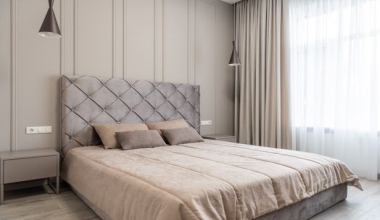
Creating the perfect home theater experience goes beyond a high-resolution projector and surround sound system. The unsung heroes of immersive viewing are often the curtains. The right window treatments can dramatically improve both light control and acoustics, transforming a regular room into a cinematic sanctuary. This guide explores the best curtain fabrics for home theaters—covering blackout, velvet, acoustic, and even sheer options—with practical tips for selection, installation, and care.
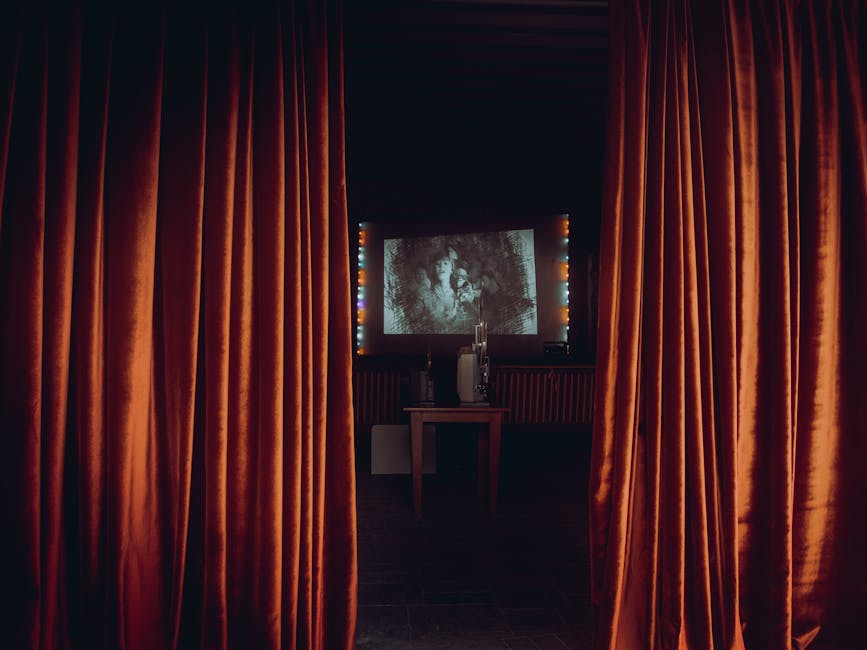
Why Light and Sound Control Matter in Home Theaters
Two primary factors can ruin a movie marathon: stray light washing out the image and echoes distorting the audio. Home theater curtains serve a dual purpose. First, they block external light to maintain contrast and black levels. Second, they absorb sound reflections, reducing echo and improving dialogue clarity. Unlike regular drapes, specialized home theater curtains are engineered for these tasks, often with dense weaves and added linings.
___PROTECTED_1___
Top Curtain Fabrics for Home Theater
Blackout Curtains
Blackout curtains are the go-to choice for total light suppression. Typically made from tightly woven polyester or cotton blends with a foam or acrylic backing, they block 99% of external light. Many also have thermal insulation properties. For home theaters, look for triple-weave blackout fabrics that offer a soft touch and excellent draping. Tip: Install them close to the window frame and use a cornice or valance to prevent light leakage at the top.
Velvet Curtains
Velvet is the classic home theater fabric. Its plush pile absorbs sound effectively and creates a luxurious, dark aesthetic. Thick velvet (often cotton or polyester blend) can reduce mid- and high-frequency echoes. However, velvet is heavy and requires sturdy hardware. It works best in dedicated theaters with a traditional design. For light blocking, velvet alone may not be fully blackout; consider lining it with a blackout layer.
Acoustic Curtains
Acoustic curtains are specifically engineered to dampen sound. They are made from dense, mass-loaded vinyl or thick multi-layer felt fabrics. The noise reduction coefficient (NRC) varies; look for NRC ratings of 0.5 or higher. Acoustic curtains often have a quilted or rippled surface to trap sound waves. They are ideal for rooms adjacent to noisy areas. Note: They may not provide complete blackout unless combined with a blackout lining.
Sheer Curtains (Limited Use)
Sheer curtains are not recommended for home theaters because they let in significant light. However, they can be used in a multi-layer setup: sheers for daytime diffused light, layered under blackout drapes for evening viewing. This gives flexibility in multi-purpose rooms.
___PROTECTED_2___
How to Choose the Best Curtains for Your Home Theater
Light Blocking Performance
Assess the room's light leakage points. For a dedicated theater, aim for 100% blackout. Check the fabric's opacity rating; many brands list a percentage (e.g., 99%). Use a light meter app to test existing conditions. Also consider side channels or blackout linings.
Sound Absorption Properties
Sound absorption is measured by the NRC (Noise Reduction Coefficient). For home theaters, an NRC of 0.3–0.5 is adequate for curtains alone. Combine with acoustic panels for best results. Heavy, pleated fabrics absorb more sound. Avoid thin or flat weaves.
Style and Aesthetics
Theater curtains should be dark and non-reflective. Deep colors like charcoal, black, burgundy, or navy reduce stray light reflections. Velvet and matte blackout fabrics work well. Avoid patterns that could be distracting.
Material and Durability
Consider fabric weight, fire safety (look for FR ratings), and ease of cleaning. Polyester blends are durable and often machine washable. Velvet may require professional cleaning. Acoustic curtains can be heavy, so ensure your rod system is rated for the weight.
Installation Tips for Maximum Performance
- Mount as close to the ceiling as possible to minimize light gaps. Use a track system with overlapping panels.
- Extend the rod past the window by at least 6 inches on each side to block side light.
- Use wrap-around curtain rods or valances to seal light at the top.
- Layer curtains: blackout behind velvet for both light and sound control.
- Ensure proper floor clearance to avoid dragging, but keep the hem near the floor to prevent air gaps.
Care and Maintenance of Home Theater Curtains
To maintain performance, dust curtains regularly with a soft brush attachment. Most blackout curtains can be machine washed on gentle cycle; check care labels. Velvet and acoustic curtains often require dry cleaning to preserve texture and acoustic properties. Avoid harsh chemicals. Re-treat with flame retardant if needed. Inspect for light leaks annually; adjust tiebacks or add liners as necessary.
Industry Application Cases
| Application | Recommended Fabric | Reason |
|---|---|---|
| Dedicated home theater | Triple-weave blackout velvet | Best light/sound combo |
| Multi-purpose living room | Blackout with sheer layer | Flexibility for day/night |
| Commercial cinema | Acoustic panels + velvet drapes | Compliance with fire codes & acoustics |
| Recording studio (adjacent room) | Mass-loaded vinyl acoustic curtains | High NRC for sound isolation |
In a real-world example, a home theater enthusiast in a brightly lit apartment used a combination of blackout drapery with side channels and a floor-to-ceiling velvet curtain on the back wall, achieving a 95% reduction in echo and near-total darkness.
Frequently Asked Questions
Can I use regular curtains for my home theater?
Regular curtains offer minimal light blocking and sound absorption. Specialized fabrics are strongly recommended for optimal experience.
Are blackout curtains enough for soundproofing?
Blackout curtains block light but only offer modest sound absorption (NRC ~0.2-0.3). For better sound control, choose acoustic-rated curtains or layer with velvet.
How much should I spend on home theater curtains?
Prices vary widely. Good blackout curtains start around $50 per panel; acoustic or velvet can exceed $200 per panel. Consider the room size and your acoustical goals.
Selecting the best curtains for your home theater involves balancing light control, sound absorption, and aesthetics. Whether you prioritize total darkness with blackout fabrics or a plush acoustic environment with velvet, the right curtains will elevate your viewing experience. Measure carefully, choose quality materials, and don't forget proper installation. Your future movie nights will thank you.