Recording studios demand precise control over acoustics to ensure clean audio captures. While structural soundproofing is ideal, acoustic curtains offer a flexible, cost-effective solution for reducing reverberation and echo. This guide outlines seven critical factors to consider when selecting acoustic curtains for your recording studio, helping you achieve professional-grade sound without breaking the bank.
1. Understand Sound Absorption vs. Soundproofing
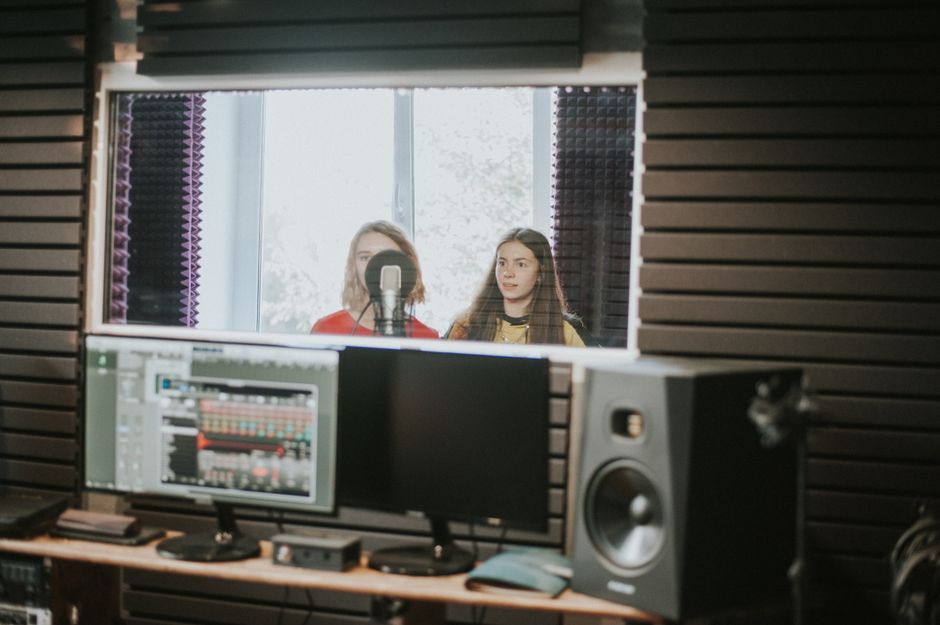
Acoustic curtains are designed primarily for sound absorption, not soundproofing. Sound absorption reduces reflected sound waves (reverberation) by trapping and dissipating energy within the fabric. In a recording studio, this minimizes flutter echoes and comb filtering, resulting in cleaner recordings. Soundproofing, on the other hand, blocks sound from entering or leaving a space and requires dense, massive barriers like mass-loaded vinyl or double drywall.
Acoustic curtains can aid in soundproofing to a limited extent when installed as part of a multi-layer system, but they should not be your sole solution for isolating a studio. Knowing this distinction prevents unrealistic expectations and helps you layer treatments effectively.
___PROTECTED_1___
2. Check the Material and Fabric Density
Fabric density directly correlates with sound absorption. High-quality acoustic curtains often use multiple layers, including a dense core like mass-loaded vinyl sandwiched between velvet or suede facings. Velvet is a popular choice because its thick pile traps sound waves. Polyester blends with a weight of at least 300–500 grams per square meter (GSM) are effective.
Avoid lightweight fabrics like sheer or cotton, as they offer minimal acoustic benefit. If you need blackout properties (common in studios to control lighting), look for curtains with a triple-weave or foam-backed design that combine light blockage with sound absorption.
___PROTECTED_2___
3. Look for Fire Ratings and Safety Certifications
Recording studios contain sensitive electronics and often have strict fire safety codes. Ensure any curtain you purchase meets local flammability standards, such as NFPA 701 in the U.S. or BS 5867 in the U.K. Most reputable acoustic curtain manufacturers will display certifications prominently.
Also check for low VOC emissions (ensuring good indoor air quality) and mold/mildew resistance if the space has humidity fluctuations. Safety should never be compromised for price.
4. Consider the Curtain Size and Coverage
Acoustic curtains work best when they cover large portions of wall or window surfaces. For optimal performance, curtains should extend floor to ceiling and include ample width to create folds (pleats) that trap sound. A general rule: use 1.5 to 2 times the window width for the curtain panel width.
If you're treating an entire wall, consider using a ceiling-mounted track system that allows curtains to be drawn across large spans. Pay attention to stack-back width to avoid blocking doors or equipment.
5. Evaluate the Acoustic Performance (NRC Rating)
The Noise Reduction Coefficient (NRC) measures how much sound a material absorbs. NRC is on a scale from 0 (perfect reflection) to 1 (perfect absorption). For recording studios, look for curtains with an NRC of 0.5 or higher. Many premium acoustic curtains achieve NRC 0.7–0.8 when installed in pleated configurations.
Manufacturers often provide test data from accredited labs. Beware of products that claim “soundproofing” without NRC values. If possible, request a sample to test in your specific room, as performance can vary with mounting and spacing from the wall.
6. Choose the Right Color and Design
While acoustic performance is paramount, don't overlook aesthetics. Recording studios often have a specific mood or brand identity. Dark, neutral colors (gray, charcoal, black) are common as they also act as blackout curtains. However, some fabric providers offer custom colors or prints that maintain acoustic properties.
Also consider the visual impact of pleating. Ripple-fold or pinch-pleat headings look professional and facilitate even sound absorption. Avoid overly shiny fabrics that might reflect light and cause glare on monitors.
7. Installation and Mounting Options
Proper installation is crucial for acoustic curtains to function correctly. Mount curtains as close to the ceiling as possible and allow them to touch or hover just above the floor to prevent sound leaks. Use heavy-duty track systems that can support the weight of dense fabrics.
For temporary studios, tension rods or grommets on a pole may suffice, but they can sag over time. For permanent solutions, wall-to-wall ceiling tracks with overlapping panels provide the best seal. Ensure the mounting wall is structurally sound to handle the load.
Conclusion
Selecting the right acoustic curtains involves balancing material density, NRC rating, size, and installation quality. By focusing on these seven factors, you can dramatically improve your recording studio's acoustics while maintaining flexibility and visual appeal. Remember to request sample swatches and test with a sound meter if possible. Ready to upgrade your studio? Start by measuring your space and comparing products that meet the criteria above.