1. Noise Reduction Coefficient (NRC) – Comparing Ratings
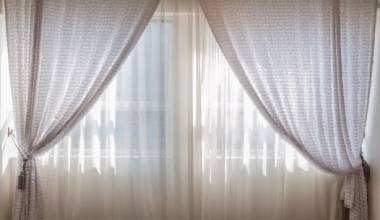
The Noise Reduction Coefficient (NRC) measures a material's ability to absorb sound, ranging from 0 (no absorption) to 1 (perfect absorption). Acoustic curtains typically have an NRC rating between 0.3 and 0.6, depending on fabric density and layering. They absorb mid-to-high frequencies effectively but struggle with low-frequency bass. Soundproofing foam, especially polyurethane or melamine panels, offers NRC ratings from 0.5 to 0.9, making them superior for general absorption across a wider frequency range.
However, NRC only tells part of the story. Foam excels in controlled studio environments, while curtains add mass and can block sound transmission (STC rating). For example, a heavy triple-weave acoustic curtain may have an STC of 20-25, reducing sound passage between rooms. Foam has negligible STC; it absorbs reflections but does not stop sound from traveling through walls. Thus, while foam has higher NRC, curtains provide dual benefits of absorption and barrier.
If your goal is to reduce echo and reverberation within a room, foam is more efficient per square foot. But for blocking outside noise or containing sound, curtains are better. Consider your primary need: absorption or isolation.
___PROTECTED_1___
2. Installation and Aesthetics
Acoustic curtains install like regular drapes on a rod or track, requiring no tools beyond brackets and screws. They blend seamlessly with interior design, available in various colors, patterns, and fabrics (velvet, sheer, blackout). You can layer them for enhanced performance. Their soft texture adds warmth and style, making them ideal for living rooms, bedrooms, or offices where aesthetics matter.
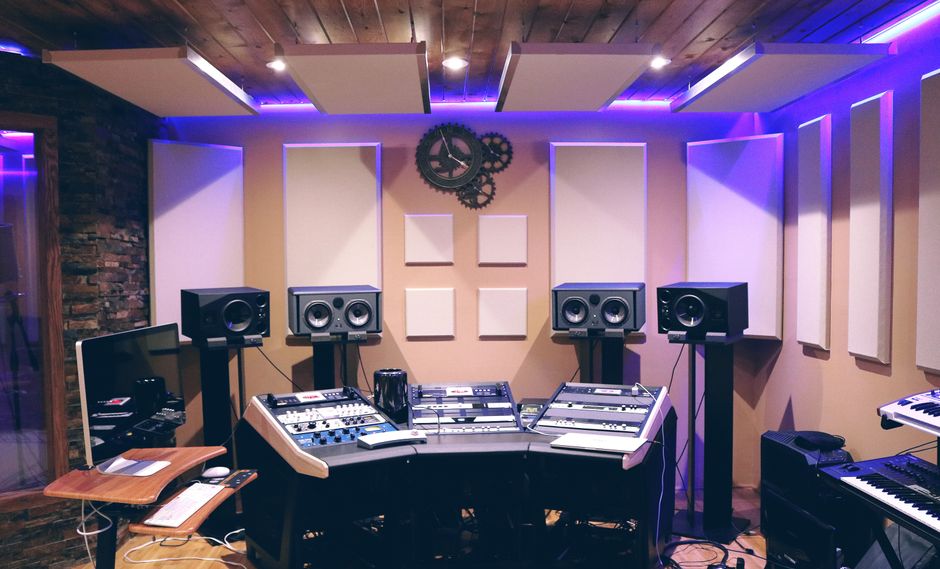
Soundproofing foam panels require adhesive, spray glue, or mounting hardware. They come in wedge, pyramid, or egg-crate shapes, often in limited colors (black, gray, blue). The industrial look may clash with home decor, though some designers incorporate them as a feature. Installation is time-consuming and permanent if glued, whereas curtains are easily removed or exchanged.
For renters or temporary setups, curtains win for hassle-free installation. Foam suits dedicated studios or theaters where visual appeal is secondary. Evaluate your space: if you value versatility and style, choose curtains; if maximum absorption is paramount and you can sacrifice looks, go with foam.
___PROTECTED_2___
3. Cost and Value
Acoustic curtains range from $50 to $300 per panel for quality brands like Acoustical Surfaces or Moondream. A standard window (60x84 inches) might cost $100-$200. Foam panels run $10-$30 per 2x2 ft tile, so covering a wall costs similar or more depending on density. However, foam often requires more surface area (20-30% of wall) to be effective, increasing total cost.
Long-term value includes durability: curtains can last 5-10 years if maintained, while foam may degrade from UV or humidity (especially open-cell foam). Curtains also offer thermal insulation and light blocking, adding utility. Foam’s sole function is acoustic absorption. For multipurpose benefit, curtains provide better value per dollar.
If budget is tight, prioritize curtains for dual function. For critical listening spaces where performance is everything, invest in quality foam. Always compare per-square-foot cost and expected lifespan.
4. Effectiveness for Different Frequencies
Acoustic curtains act as porous absorbers, effectively dampening mid and high frequencies (500 Hz to 4 kHz). They reduce flutter echo and bright reflections but have minimal effect on sub-bass (<100 Hz). Thicker, pleated curtains with multiple layers improve low-frequency absorption slightly.
Soundproofing foam, especially wedge or pyramid designs, absorbs frequencies from about 400 Hz upwards, with thicker foam (4 inches) extending down to 100-200 Hz. Bass traps (specialized foam) absorb lower frequencies. Overall, foam targets a broader range, particularly speech frequencies (500-2000 Hz).
For home theaters needing deep bass control, foam alone insufficient; add bass traps. For vocal recordings, foam excels. For general noise reduction in a living space, curtains handle most distracting sounds. Combine both for comprehensive treatment: curtains for aesthetics and mid-high absorption, foam for critical zones behind speakers or reflection points.
5. Room Usage Scenarios
In a home theater, both can work. Curtains on sides absorb first reflections and reduce glare, while foam panels at rear and ceiling control flutter. For open-plan offices, curtains partition spaces and absorb conversations, but foam on ceiling clouds reduces overall noise level. In recording studios, foam is standard for isolation booths; curtains are rarely used due to limited absorption.
Bedrooms benefit from curtains over windows and doors to block traffic noise and improve sleep, while foam panels on walls may over-absorb making room dull. For classrooms, foam reduces reverberation for clearer speech; curtains add too much softness. Each scenario demands a solution tuned to the noise source (external or internal) and aesthetic tolerance.
Use a
| Room | Recommended | Why |
|---|---|---|
| Home theater | Both | Curtains for reflections, foam for bass |
| Recording studio | Foam | Better absorption range |
| Office | Curtains | Aesthetic, flexible |
| Bedroom | Curtains | Noise blocking + decor |
6. Maintenance and Durability
Acoustic curtains are washable (check care label) and resist fading if lined. Vacuuming or spot cleaning suffices. Foam panels collect dust; they cannot be washed—only vacuumed gently. Over time, foam may yellow under sunlight and crumble in high humidity (especially polyester foam). Curtains retain shape longer.
If you live in a humid climate or near a kitchen, curtains are more resilient. Foam in basements may develop mold. For longevity, either can last years, but curtains require less upkeep. However, solid foam panels don't sag like pleated curtains may if poorly constructed.
Consider your cleaning habit and environment. For low-maintenance, curtains edge ahead.
7. Fire Safety and Compliance
Both can be treated with fire retardants, but compliance varies. Acoustic curtains often meet NFPA 701 (standard for fabric) and CAL TB 117. Many are inherently flame-resistant due to fabric composition (e.g., polyester velvet). Soundproofing foam must meet UL 94 (Flammability of Plastic Materials). Open-cell foam is more flammable; closed-cell has better ratings.
For public spaces (theaters, schools, hotels), fire codes are strict. Curtains are easier to certify and install as temporary drapes. Foam requires spacing or metal mounting to avoid flame spread. Always verify certifications. If safety is paramount, consult a professional or choose products with clear documentation.
In most residential settings, either is acceptable but consider placement relative to heat sources. Curtains near radiators are fine; foam near lamps may ignite. Foam also emits toxic smoke if burned. Choose wisely.
8. Ease of Integration with Existing Decor
Acoustic curtains integrate unobtrusively; you can match existing color schemes and fabrics. They function as normal window treatments, so guests may not notice they are acoustic. Foam panels stand out as technical elements, often labeled as acoustic treatment. Some like the professional look; others find it clinical.
To hide foam, you can cover with fabric (acoustically transparent). Curtains can be adorned with tiebacks, valances, or layers. If you rent or frequently rearrange, curtains are non-permanent. Foam removal may leave adhesive residue or damage paint.
For residential spaces where style matters, curtains win. For a dedicated studio, foam indicates purpose.
9. Portability and Flexibility
Acoustic curtains come as panels; you can move them to another window, room, or take when moving. They require only a rod. Foam panels are typically glued or clipped; moving them involves detaching and potentially damaging edges. However, foam tiles can be removed with care and reinstalled with new adhesive.
Temporary setups (e.g., event spaces) favor curtains—quick install and dismantle. Foam works for semi-permanent installations. For flexibly adapting a room's acoustics for different uses (music vs. conversation), curtains are adjustable by opening/closing. Foam is static.
Thus, if you expect changes, choose curtains.
10. Expert Verdict: Which One to Choose?
Both acoustic curtains and soundproofing foam have strengths. For overall absorption efficiency and studio-quality sound, foam is superior. For blocking noise combined with absorption, aesthetic versatility, and cost-effectiveness, acoustic curtains offer better dual purpose.
The ideal solution often combines both: use curtains on windows and large wall areas for broad absorption and barrier, and strategically place foam panels at reflection points or behind equipment. This hybrid maximizes effectiveness while maintaining livable space.
Assess your primary goals: if sound isolation is critical (like blocking neighbors' noise), curtains with heavy mass loads help; if you just want to reduce echo, foam works. Budget, decor, and installation complexity also decide. In most consumer scenarios, acoustic curtains provide a more balanced, user-friendly option without sacrificing much performance. For professionals, foam remains the gold standard.