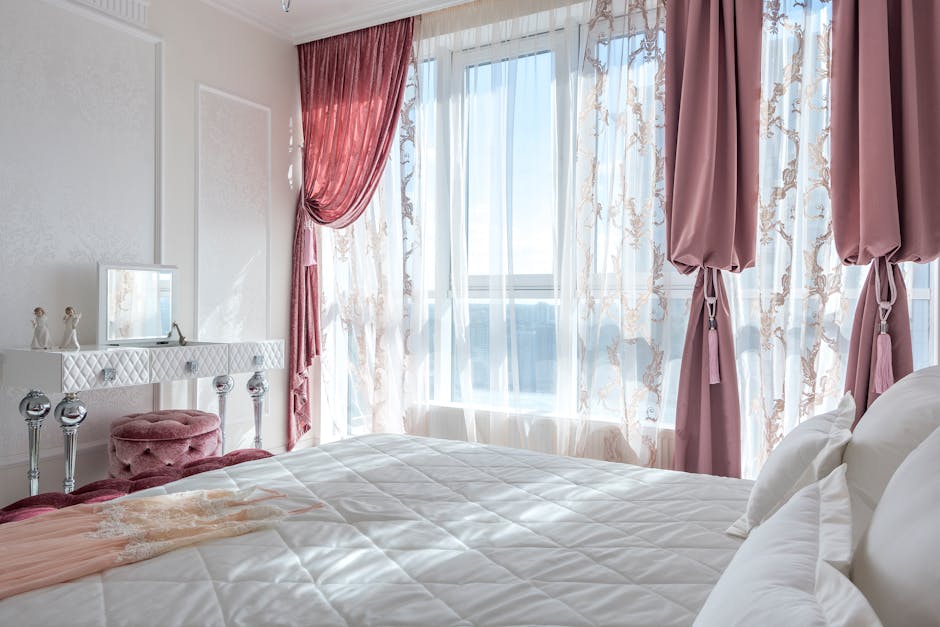
Understanding Velvet Curtains
Velvet curtains are synonymous with luxury, opulence, and a rich tactile experience. Made from woven fabric with a dense pile, velvet offers a soft, plush texture that catches light beautifully. Historically associated with royalty and grandeur, modern velvet curtains are available in synthetic blends like polyester or cotton-poly mixes, making them more affordable and easier to maintain. The fabric’s weight and drape create elegant folds that add depth and warmth to any room.
What Makes Velvet Curtains Special?
Velvet’s unique weaving process creates a surface that reflects light differently depending on the angle, giving curtains a dynamic, shimmering appearance. The pile also provides excellent sound absorption, reducing echo in large spaces. Additionally, velvet is a natural insulator—its dense fibers trap air, helping to keep rooms warm in winter and cool in summer. However, velvet does not inherently block all light; its light-filtering capability depends on the weave density and backing.
Benefits of Velvet Curtains
- Aesthetic appeal: Adds a touch of sophistication and drama.
- Sound dampening: Ideal for home theaters or noisy urban apartments.
- Thermal insulation: Reduces energy bills by maintaining room temperature.
- Variety of colors: From deep jewel tones to neutral earth shades.
- Durability: High-quality velvet can last for decades with proper care.
___PROTECTED_1___
Understanding Blackout Curtains
Blackout curtains are engineered to block external light completely. They are typically made from multiple layers of fabric, including a tightly woven core and a special opaque coating or interlining. Unlike standard drapes, blackout curtains are designed for functionality first, making them a top choice for bedrooms, nurseries, home theaters, and shift workers who need darkness during daytime sleep.
What Are Blackout Curtains?
The term “blackout” refers to the curtain’s ability to reduce light penetration to near zero. Most blackout curtains feature a foam, rubber, or acrylic coating on the back, or a dense third layer sandwiched between two fabric layers. Some use triple-weave construction without coatings for a more breathable option. While early blackout curtains had a stiff, shiny backing, modern designs offer softer textures and even velvet-like finishes.
Benefits of Blackout Curtains
- Complete light control: Perfect for uninterrupted sleep or movie watching.
- UV protection: Prevents fading of furniture, floors, and artwork.
- Energy efficiency: Thick layers reduce heat transfer, lowering HVAC costs.
- Privacy: Opaque fabric ensures no one can see inside at night.
- Noise reduction: Dense materials also dampen outside noise.
___PROTECTED_2___
Key Differences Between Velvet and Blackout Curtains
| Feature | Velvet Curtains | Blackout Curtains |
|---|---|---|
| Light Blocking | Moderate (unless lined) | Excellent (near 100%) |
| Texture & Feel | Soft, plush, luxurious | Can vary; often matte or coated |
| Insulation | Good (due to pile) | Excellent (multi-layer) |
| Aesthetic | Elegant, old-world charm | Modern, minimalist options available |
| Maintenance | Dry clean or gentle cycle | Spot clean or gentle machine wash |
| Cost | Moderate to high | Affordable to high-end |
Factors to Consider When Choosing
Light Control Needs
If your priority is total darkness—for a nursery, bedroom, or media room—blackout curtains are non-negotiable. Velvet alone will not achieve complete blackout unless it has a blackout lining. For living rooms or dining areas where ambient light is welcome, velvet’s light-filtering effect can create a cozy atmosphere.
Aesthetic Preferences
Velvet instantly elevates a space with its rich texture and drape. It works beautifully in traditional, bohemian, or glam interiors. Blackout curtains now come in many styles, including velvet-textured blackout options, so you can have both looks. If you prefer crisp, clean lines, a matte blackout curtain may suit a contemporary room better.
Insulation and Energy Efficiency
Both fabrics perform well for insulation, but blackout curtains generally have a higher R-value due to multiple layers. In colder climates, lined velvet or blackout curtains can significantly reduce heating costs. For hot climates, blackout curtains with a reflective backing keep rooms cooler by blocking solar heat.
Maintenance and Care
Velvet requires careful handling: avoid crushing the pile, and most need dry cleaning or a delicate wash. Blackout curtains are often easier to clean—many are machine-washable on a gentle cycle. However, avoid frequent washing of blackout coatings to prevent peeling. Always check care labels.
Budget
Velvet curtains range from budget-friendly polyester blends to high-end silk velvet. Blackout curtains are available at every price point. For the best value, consider buying blackout curtains with a velvet face fabric, or adding a blackout liner to existing velvet drapes.
Can You Have Both? Combining Velvet with Blackout Liners
Yes! If you love the look of velvet but need darkness, order custom velvet curtains with a sewn-in blackout lining. This combination gives you the elegance of velvet and 100% light blockage. Alternatively, use separate blackout roller blinds behind velvet curtains—a flexible solution for rooms where you sometimes want light and sometimes complete darkness. Another tip: choose a velvet fabric with a dense weave and dark color; while not fully blackout, it will filter most light.
Practical Tips for Selection
- Measure twice: For blackout effect, curtains should extend beyond the window frame and touch the floor.
- Test fabric samples: Hold them against a bright window to see light penetration.
- Consider room function: Bedrooms and media rooms → blackout; living rooms and dining rooms → velvet (or lined velvet).
- Check the lining: For velvet, a blackout lining adds weight and function. For blackout curtains, ensure the lining is not shiny if aesthetics matter.
- Think about hardware: Heavy velvet requires strong rods and brackets. Blackout curtains are lighter but still benefit from sturdy support.
- Look for thermal ratings: Some blackout curtains come with energy star certifications.
Conclusion
Choosing between velvet and blackout curtains ultimately depends on your priorities. If you crave a luxurious, tactile experience and don’t need total darkness, velvet is your fabric. If light control and energy efficiency are paramount, go with dedicated blackout curtains. But don’t feel forced to choose one over the other—many modern products blend both, offering velvet textures with blackout performance. By understanding your room’s needs and the strengths of each fabric, you can make an informed decision that combines beauty and function. Whether you opt for the plush elegance of velvet or the sheer utility of blackout, your windows will be dressed to impress.