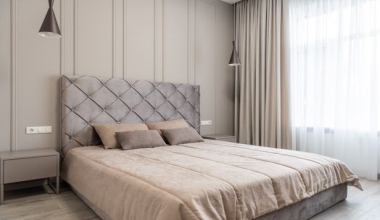
Getting the perfect fit for custom curtains starts with accurate measurements. Whether you're dressing a window with blackout fabric for a media room, sheer linen for a breezy living space, velvet for a touch of luxury, or acoustic curtains for noise reduction, precise measurement ensures your curtains hang beautifully and function as intended. This comprehensive guide walks you through every step—from gathering tools to accounting for fabric fullness—so you can order custom curtains with confidence.
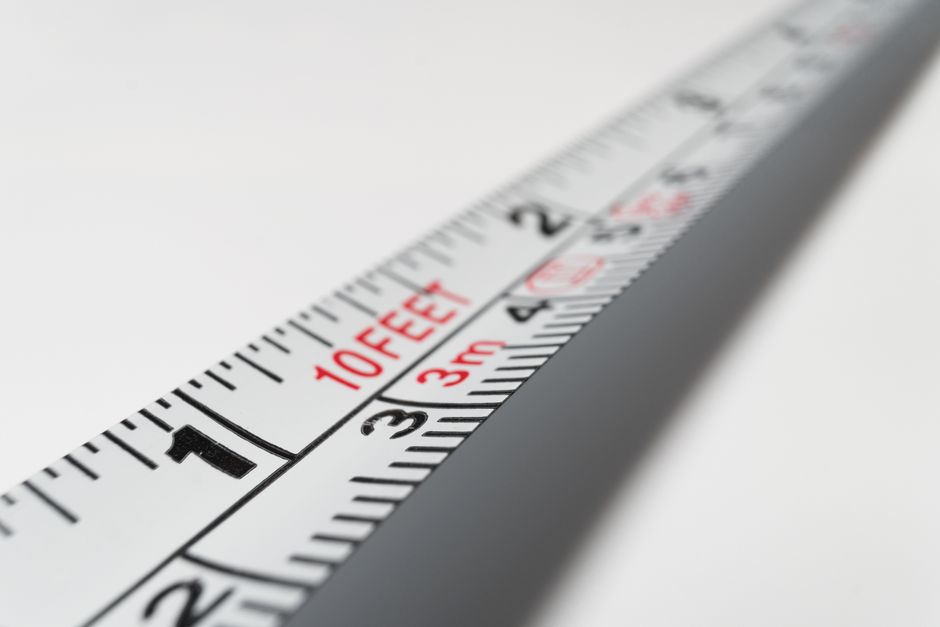
Why Accurate Measurement Matters
Custom curtains are an investment in your home's comfort and style. Incorrect measurements can lead to curtains that are too short, too narrow, or bunch awkwardly. For specialized fabrics like blackout or acoustic curtains, proper fit is essential for performance. A well-measured curtain blocks light effectively, enhances sound absorption, and complements your interior design.
___PROTECTED_1___
Tools You'll Need
Before you begin, gather these essentials:
- Steel measuring tape (fabric tapes can stretch over time)
- Pencil and notepad or digital recording device
- Step stool or ladder for high windows
- Spirit level (to check if your rod is level)
- Calculator for fullness and drop calculations
___PROTECTED_2___
Step 1: Determine Curtain Width
The width measurement depends on whether you're using a curtain rod or a track system. Measure the width of your window frame first, then decide how far beyond the frame you want the curtains to extend.
For Curtain Rods
Install the rod 4–6 inches above the window frame (or higher for a dramatic look). Measure from one end of the rod to the other, excluding finials. If you don't have a rod yet, measure the window width and add at least 8–12 inches on each side for the rod to extend beyond the frame. This allows curtains to stack back and let in maximum light.
For Curtain Tracks
Measure the total length of the track, including any returns (the part that bends back toward the wall). If the track is already installed, measure from end to end. For ceiling-mounted tracks, measure the width of the entire window area you want to cover.
Calculating Finished Width
The finished curtain width is typically the rod/track width. However, you need to account for fullness—the amount of fabric relative to the rod width. Standard fullness ratios:
| Fabric Type | Fullness Ratio |
|---|---|
| Sheer / Lightweight | 2.0–2.5x |
| Velvet / Heavyweight | 1.8–2.0x |
| Blackout / Acoustic | 1.8–2.0x |
| Standard Cotton / Polyester | 2.0x |
Multiply your rod width by the fullness ratio to get the total fabric width needed. For example, a 60-inch rod with blackout curtains at 2x fullness requires 120 inches of fabric width (split across two panels usually).
Step 2: Measure Curtain Length
Length is measured from the top of the rod or track to where you want the curtain to end. There are three standard drop options:
Floor Length
Measure from the top of the rod to the floor. For a floating look, subtract 0.5–1 inch so curtains hover just above the floor. For a puddling effect, add 2–4 inches. Ensure the floor is level—if it's uneven, measure at multiple points and use the longest drop.
Sill Length
Measure from the rod to the windowsill. For cafe curtains or kitchen windows, subtract 1–2 inches to avoid resting on the sill. This is common for sheers or lightweight fabrics.
Apron Length
Measure from the rod to 4–6 inches below the windowsill. This works well for windows above sinks or radiators. Ensure you have enough space below the sill.
Important: Header Height
If you're using a curtain heading style (pleated, gathered, eyelet), factor in the header height. For example, pencil pleat curtains require 2–3 inches above the eyelet. Confirm with your curtain maker what type of header you'll use, so your length measurement is from the correct point.
Step 3: Account for Fabric Specifics
Different fabrics have unique requirements:
- Blackout fabrics often have a lining. Measure double-check width and length to avoid overlapping seams at the edges.
- Sheer fabrics are lightweight and may need extra fullness (2.5x) to look opaque when closed.
- Velvet fabrics are dense. Use a 1.8x fullness ratio to prevent excessive bulk. Velvet also drapes heavily, so ensure your rod can support the weight.
- Acoustic curtains are multi-layered and heavy. They require sturdy rods/tracks and often need 1.8x fullness. Measure the width carefully; acoustic curtains benefit from overlapping panels.
Step 4: Special Considerations
Bay Windows
Measure each individual window section separately. For a continuous track, measure each straight run and angle. Use a flexible measuring tape for the angles. Add extra width for returns (the part that folds back to the wall).
French Doors or Sliding Doors
Measure the entire width of the door frame, and decide if you want curtains to stack on one side or both. Allow for 4–6 inches of clearance on the stacking side so the curtains don't block the door swing.
Ceiling Height
If installing a ceiling-mounted track, measure from ceiling to floor. For a dramatic effect, add 2–3 inches of pooling. If you have low ceilings, mount the rod close to the ceiling to make the room appear taller.
Common Measuring Mistakes to Avoid
- Using a cloth tape measure that can stretch—always use steel tape.
- Forgetting to subtract header height for eyelet or tab top curtains.
- Assuming windows are perfectly square. Measure left, center, and right for both width and length, and use the largest measurement.
- Not accounting for floor or wall irregularities—measure at multiple points.
- Overlooking return brackets that add width if using a track with a wall return.
Tips for Perfectly Fitting Curtains
- Always double-check measurements: width, length, and drop multiple times.
- Write down measurements clearly and keep them with your order.
- If ordering online, compare your measurements with the manufacturer's sizing guide—some require you to add seam allowances.
- For blackout and acoustic curtains, consider a slight overlap (1–2 inches extra on each panel) to ensure no light gaps.
- Use a curtain lining calculator if your fabric needs lining; linings can reduce light blockage or increase noise reduction.
Conclusion
Accurate measuring is the foundation for beautiful, functional custom curtains. Whether you're outfitting a home theater with blackout fabric, adding a touch of elegance with velvet, creating an airy feel with sheers, or improving acoustics in a conference room, taking precise measurements ensures your curtains perform and look stunning. Follow these steps, avoid common pitfalls, and you'll have custom curtains that fit flawlessly. Ready to measure? Grab your tape and get started!