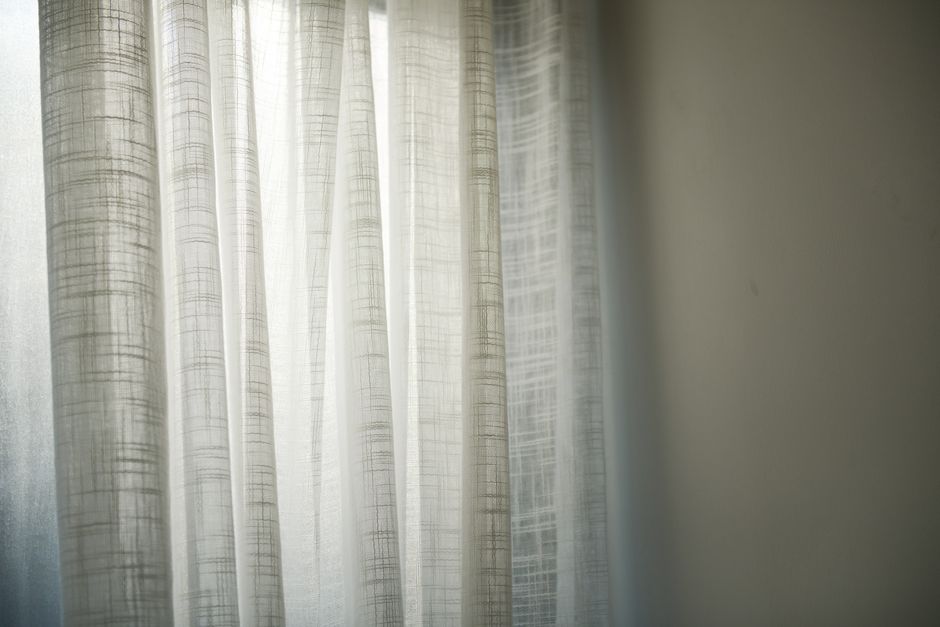
Introduction to Sheer Curtain Fabrics
Sheer curtains are a versatile window treatment that adds elegance and softness to any room. Made from lightweight, translucent fabrics, they filter natural light while providing a degree of privacy. This guide explores the different types of sheer fabrics, their benefits, and how to choose the right one for your space.
___PROTECTED_1___
Types of Sheer Fabric Materials
Polyester Sheers
Polyester is the most common sheer fabric due to its durability, affordability, and easy care. It resists wrinkling, shrinking, and fading, making it ideal for high-traffic areas. Polyester sheers come in a wide range of colors and textures.
Cotton Sheers
Cotton sheers offer a natural, breathable option. They have a softer drape and a more organic look. However, cotton may wrinkle more easily and is less resistant to fading than synthetic blends. They are great for bedrooms and living rooms where a cozy feel is desired.
Linen Sheers
Linen sheers provide a luxurious, textured appearance. They have a slightly stiff drape and a natural luster. Linen is highly absorbent and wrinkles easily, but many homeowners love its rustic charm. Linen- polyester blends offer a compromise between beauty and practicality.
Silk Sheers
Silk sheers are the epitome of luxury. They have a beautiful sheen and an incredibly soft drape. Silk is delicate and requires professional cleaning. It is best used in low-traffic, formal spaces like dining rooms or master suites. Due to its cost, silk is often reserved for special applications.
Voile vs. Organza vs. Lace
| Fabric | Characteristics |
|---|---|
| Voile | Crisp, slightly stiff, medium opacity, drapes well |
| Organza | Sheer, stiff, very lightweight, holds shape |
| Lace | Decorative holes, delicate, often patterned |
Voile is a versatile choice for everyday use. Organza is ideal for formal settings where structure is needed. Lace adds vintage romance but may require more care.
___PROTECTED_2___
Key Benefits of Sheer Curtains
- Light Filtering: Sheers diffuse harsh sunlight, creating a soft glow while reducing glare.
- Privacy: During the day, sheers obscure the view from outside while allowing light in. At night, they are less effective alone.
- Energy Efficiency: They provide a thin layer of insulation, helping to regulate indoor temperatures.
- Aesthetic Appeal: Sheers add texture, softness, and a sense of airiness to a room.
- Versatility: They can be layered with blackout or velvet curtains for style and function.
How to Choose Sheer Curtains: A Practical Guide
Consider the Room's Function
For living rooms and dining rooms, sheers alone may suffice. For bedrooms, layer sheers with blackout drapes to combine light control with privacy. In bathrooms, moisture-resistant polyester sheers are best. Kitchens benefit from easy- clean cotton or polyester blends that resist grease.
Measure for the Right Size
Sheer curtains should be 2 to 3 times the width of the window for proper fullness. Length can be floor-length (touching the floor) or sill-length. For a dramatic look, let the fabric puddle slightly on the floor.
Choose a Color and Pattern
White and ivory are classic choices that maximize light. Pastels add a hint of color without overwhelming. Gray, beige, or blue sheers can complement modern decor. Subtle stripes or embroidered patterns add interest without sacrificing the sheer quality.
Care and Maintenance Tips
- Machine Washing: Most polyester and cotton sheers are machine washable on a gentle cycle with cold water. Use mild detergent. Avoid bleach.
- Hand Washing: Linen and silk sheers require hand washing or dry cleaning. Always check the care label.
- Drying: Air dry by hanging or tumble dry on low for synthetic fabrics. Iron on a low setting if needed. Use a steamer to remove wrinkles.
- Stain Removal: Treat stains promptly with a mild stain remover. Test on an inconspicuous area first.
- Storage: Store in a cool, dry place. Avoid direct sunlight to prevent fading. Fold or roll to avoid creases.
Industry Application Cases
Hospitality Industry
Hotels use sheer curtains in guest rooms to create a welcoming, bright environment. They often layer sheers with blackout drapes for flexibility. Contract-grade polyester sheers are preferred for their durability and flame retardant properties.
Corporate Offices
In offices, sheers reduce glare on computer screens and provide a professional look. They are often installed as a single layer or combined with vertical blinds. Neutral tones are common.
Healthcare Facilities
Sheer curtains in hospitals offer privacy while maintaining a calm atmosphere. They are treated with antimicrobial finishes and are easy to clean. Polyester is typically used for its resistance to moisture and bacteria.
Conclusion
Sheer curtain fabrics offer a perfect balance of style and functionality. By understanding the materials, benefits, and application tips, you can select the ideal sheers for any room. Whether you opt for budget-friendly polyester, natural linen, or luxurious silk, sheer curtains will transform your space with soft, filtered light. For more guidance, explore our other curtain fabric guides or contact our experts.