Introduction
Classrooms are dynamic environments where clear communication is essential for effective learning. However, excessive noise—from hallway chatter, outdoor traffic, HVAC systems, or even reverberation within the room—can severely disrupt concentration and reduce academic performance. Acoustic curtains offer a practical, non-intrusive solution to noise problems. Unlike permanent structural changes, these curtains can be installed quickly, adjusted as needed, and are cost-effective. This guide explores how acoustic curtains work, what to look for when purchasing, and how to optimize them for classroom settings.
___PROTECTED_1___
Why Acoustic Curtains Matter in Classrooms
Research shows that high noise levels increase student stress, decrease reading comprehension, and widen achievement gaps. In open-plan classrooms or rooms with hard surfaces (tile floors, concrete walls), sound bounces, creating long reverberation times. Acoustic curtains absorb sound energy, reducing echoes and background noise. They also provide visual privacy and can block light, which is helpful when using projectors. Teachers often report that after installing acoustic curtains, they can speak at a normal volume without straining, and students show improved focus.
___PROTECTED_2___
How Acoustic Curtains Reduce Noise
Acoustic curtains differ from ordinary drapes in their construction. They are made of dense, multilayered fabrics—often a combination of mass-loaded vinyl, felt, and velvet. The key mechanism is sound absorption: the porous material converts sound energy into heat through friction. The Noise Reduction Coefficient (NRC) measures this ability; for classrooms, look for curtains with an NRC of 0.5 or higher. Some curtains also include a damping layer to block sound transmission (STC rating), but for interior noise reduction, absorption is more critical. The weight and weave density play a major role; heavier curtains with tight weaves perform best.
Key Features to Look For
| Feature | Why It Matters | Ideal Specification |
|---|---|---|
| NRC Rating | Indicates how much sound is absorbed | ≥ 0.5 (Class A) |
| Fabric Weight | Heavier drapes block more noise | ≥ 300 gsm |
| Fire Resistance | Mandatory in schools for safety | NFPA 701 or ASTM E84 |
| Light Blocking | Blackout lining helps with AV presentations | 100% blackout optional |
| Easy Installation | School maintenance teams can install without contractors | Grommet or track system |
Additionally, consider color and texture: darker colors absorb more light, and velvet or suede finishes enhance absorption. Some acoustic curtains come with thermal insulation, which can reduce HVAC costs.
Installation Tips for Maximum Efficiency
Placement
For the best noise reduction, cover as much wall area as possible. Ideally, curtains should extend from ceiling to floor and be wider than the window to avoid sound gaps. Place them on walls opposite the noise source or along reflective surfaces. In large classrooms, consider multiple panels arranged in folds to increase surface area.
Rail Systems
Use a heavy-duty track system that supports the weight of the curtains. Ceiling-mounted tracks are preferable for a seamless look and to prevent light gaps. If using rods, ensure they are sturdy and allow the curtain to stack tightly when open.
Sealing
Gaps between the curtain and the floor or wall reduce effectiveness. Use weighted bottom hems or magnetic strips to seal against the floor. Overlap panels at least 6 inches in the middle to prevent sound leakage through the seam.
Maintenance and Care
Classroom curtains accumulate dust, which can affect acoustics and indoor air quality. Follow these care tips:
- Vacuum monthly with a brush attachment to remove dust.
- Spot clean stains with mild detergent and water; avoid harsh chemicals.
- Do not machine wash unless the manufacturer states it's safe—many acoustic curtains are dry-clean only.
- Check fire retardant coatings periodically; re-apply if recommended by the supplier.
- Rotate panels annually to ensure even wear and consistent acoustic performance.
Case Studies: Real Classroom Success
Elementary School in Texas
A first-grade classroom with tile floors and high ceilings had a reverberation time of 1.2 seconds, causing students to shout. After installing 8-foot blackout acoustic curtains on three walls, the reverberation time dropped to 0.4 seconds. Teachers reported a 30% increase in task completion.
University Lecture Hall
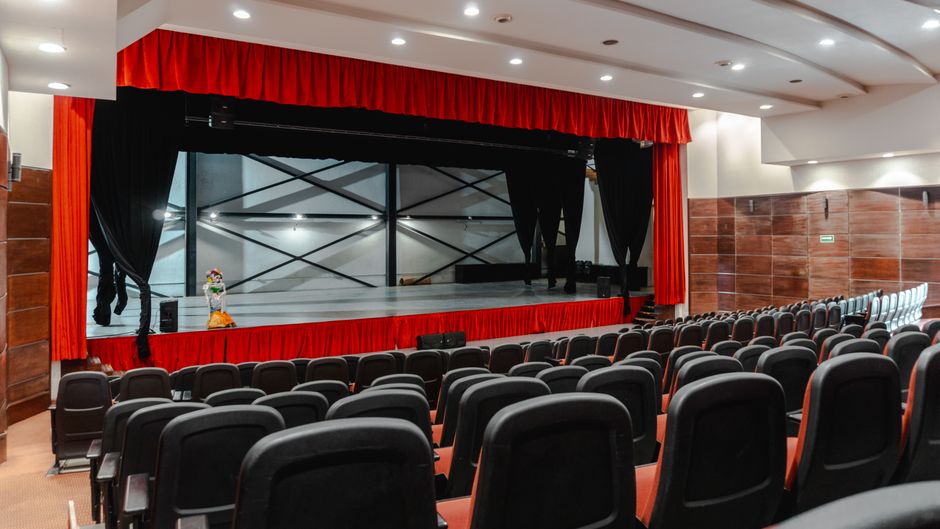
A 200-seat hall had complaints about echo during lectures. Acoustic velvet curtains were installed along the back and side walls. Post-installation noise tests showed a 6 dB reduction in background noise. Student surveys indicated improved speech clarity.
Conclusion
Acoustic curtains are a versatile, cost-effective solution for reducing classroom noise. By absorbing sound, they create a calmer learning environment that benefits both students and teachers. When selecting curtains, prioritize high NRC ratings, fire safety, and proper installation. Regular maintenance ensures long-term performance. Ready to equip your classroom? Browse our collection of acoustic curtains designed specifically for educational spaces.