Introduction
Fire safety stands as a critical priority for public and commercial spaces such as hotels, offices, schools, and hospitals. Curtains, though primarily used for decoration and privacy, can become a major fire hazard if crafted from non-fire-resistant materials. In today’s safety-focused environment, flame retardant curtains have evolved from a "nice-to-have" to an indispensable component in construction and interior design projects.
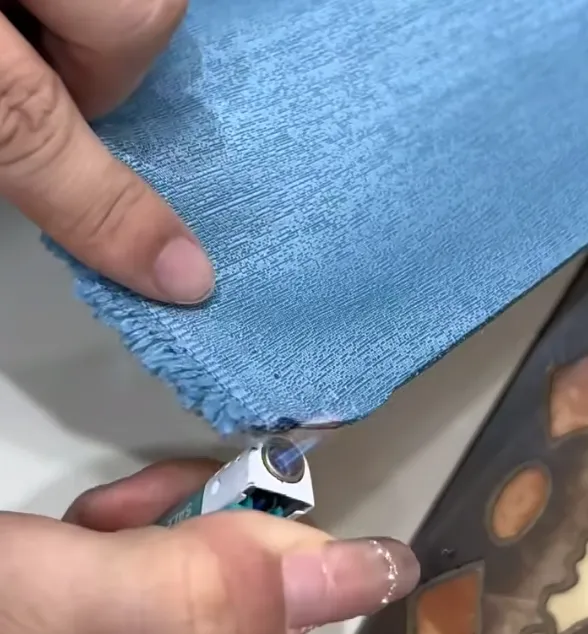
Core Advantages of Flame Retardant Curtains
- Superior fire protection: Effectively slows down the rapid spread of fire, providing more time for occupants to evacuate in emergency situations.
- Regulatory compliance: Eliminates concerns about failing fire safety inspections by meeting strict local and national fire regulations.
- Versatile styling: Available in various types, including blackout curtains, sheer curtains, and decorative drapes—all of which can be treated to achieve flame resistance.
Enhanced market appeal: Expands product portfolios with safety-certified items, making them more attractive to clients prioritizing both aesthetics and safety.
___PROTECTED_1___
Regular Curtains vs. Flame Retardant Curtains
1. Inherently Flame Retardant (FR) Yarn
2. Topically Treated Flame Retardant (FR) Fabric
Both types provide essential fire protection; the selection depends on factors such as project budget, usage environment, and maintenance frequency.
___PROTECTED_2___
Material Selection and Customization Options
- High durability: Resists wear and tear, maintaining its appearance even with long-term use.
- Easy maintenance: Machine-washable and resistant to shrinkage, reducing post-installation care costs.
- Cost-effectiveness: More affordable than natural fibers like wool or silk, making it suitable for large-scale projects.
- Rich variety: Available in a wide range of colors, patterns, and textures to match different interior styles.
- Fabric weight: Ranges from lightweight sheer fabrics (for soft light diffusion) to heavy-duty blackout materials (for complete light blocking, ideal for theaters or hotels).
- Design elements: Includes solid colors, printed patterns, embroidered details, and jacquard textures to cater to different interior design themes.
- Curtain top styles: Options such as grommet (easy sliding), pinch pleat (elegant and formal), rod pocket (simple installation), and back tab (neat and minimalist).
- Branding support: Offers private label services for brands and retailers, including custom labels, packaging, and logo printing.
Medical Curtains: Specialized Applications in Healthcare
- Antibacterial finishes: Inhibits the growth of bacteria and viruses, reducing the risk of cross-infection among patients and staff.
- Waterproof coatings: Prevents liquid absorption, making it easy to clean and disinfect (critical for handling spills of medical fluids).
- Durable materials: Uses high-quality polyester or faux linen to withstand frequent washing and disinfection without losing flame-retardant properties.
Conclusion: Safety Standards and Certifications
- NFPA 701 (United States): A strict standard for flame propagation of textiles, widely adopted in North American commercial projects.
- BS 5867 (UK/Europe): Specifies requirements for flame retardant fabrics used in curtains and drapes, commonly required for projects in the UK and European Union.
- EN 13773 (Europe): Focuses on the fire behavior of textiles for interior furnishings, applicable to a wide range of European public spaces.