Introduction
When investing in curtains, durability is often the top concern. After all, no one wants to replace their window treatments every few years. Whether you're choosing blackout, sheer, velvet, or acoustic curtains, understanding which fabric stands the test of time can save you money and hassle. This longevity guide breaks down the factors that affect curtain durability, compares popular fabric types, and offers practical tips to maximize their lifespan.
___PROTECTED_1___
Understanding Curtain Fabric Durability
Durability in curtain fabrics depends on several key factors:
- Fiber type – Natural fibers like cotton and linen can be strong but may degrade with sunlight, while synthetics like polyester and acrylic resist fading and wear.
- Weave or knit structure – Tight weaves (e.g., sateen, twill) are more durable than loose weaves (e.g., gauze).
- Fabric weight – Heavier fabrics generally last longer because they are thicker and more resistant to tearing.
- Finish and coating – Blackout coatings, stain repellents, and fire retardants can add protection but may degrade over time if not applied correctly.
- Care routine – Frequent washing, harsh detergents, and high heat can shorten fabric life.
Knowing these factors helps you evaluate any curtain fabric before purchasing.
___PROTECTED_2___
Comparing Common Curtain Fabrics: A Durability Table
| Fabric Type | Durability Rating (1-5) | Fiber Composition | Best For | Main Weakness |
|---|---|---|---|---|
| Blackout (polyester) | 4.5 | Polyester + foam/coating | Bedrooms, media rooms | Coating may peel if cheap |
| Sheer (polyester/nylon) | 3.5 | Polyester, nylon, or cotton | Living rooms, layering | Tears easily; UV damage |
| Velvet (polyester/cotton) | 4 | Polyester, cotton, or blend | Formal spaces, theaters | Fading, pile crush |
| Acoustic (woven polyester) | 4.5 | Dense polyester, sometimes wool | Offices, studios, classrooms | Heavy, requires strong hardware |
Ratings are based on typical use and quality. Premium versions of any fabric can exceed these scores.
Blackout Curtains: Durability Under the Sun
Blackout curtains are designed to block light, often using a layer of foam or a thick coating on the back of the fabric. The most durable blackout curtains are made from 100% polyester with a triple-weave construction that integrates the blackout layer into the weave itself, rather than relying on a glued coating. Coated curtains can start flaking after a few years, especially if exposed to direct sunlight for many hours each day.
Tips for durability:
- Choose woven blackout fabrics over coated ones for longer life.
- Look for UV-resistant treatments to prevent fading of the face fabric.
- Hang them away from radiators or heat sources that could weaken the fibers.
Sheer Curtains: Balancing Delicacy and Strength
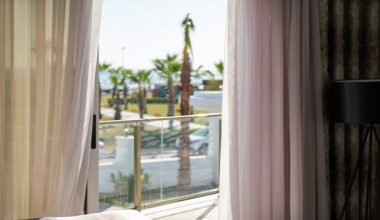
Sheer fabrics are inherently more delicate due to their open weave and lightweight nature. The most durable sheers are made from synthetic fibers like polyester or nylon, which resist tearing and sun damage better than cotton or linen sheers. However, even the best synthetic sheers will not last as long as heavier drapery.
Prolonging sheer life:
- Machine wash on a gentle cycle inside a mesh laundry bag.
- Avoid wringing or spin-drying at high speeds.
- Use a lower temperature when ironing, or steam them while hanging.
- Rotate sheers occasionally to distribute sun exposure evenly.
Sheers in low-traffic areas can last 5–7 years; in sunny windows, expect 3–5 years.
Velvet Curtains: Luxurious Yet Strong
Velvet curtains are known for their plush appearance, and their durability depends largely on the pile density and fiber content. High-quality velvet made from polyester (or a polyester/cotton blend) with a dense pile is surprisingly resilient to daily use. Cheap velvet with a thin pile can mat, crush, and fade quickly.
Key durability factors for velvet:
- Pile height – shorter piles are less prone to crushing.
- Backing – a sturdy lining or blackout backing adds strength.
- Colorfastness – opt for solution-dyed fabrics that resist fading.
To maintain velvet's beauty, vacuum gently with a brush attachment and avoid heavy pressure on the fabric. Velvet can last 10+ years with proper care.
Acoustic Curtains: Built for Wear and Tear
Acoustic curtains are engineered to absorb sound, often using multiple dense layers of polyester or wool. Their durability is generally excellent because they are constructed to be heavy and robust. Many are treated with fire retardants and antimicrobial finishes, adding to their longevity. However, their weight puts stress on curtain rods and rings, so hardware must be sturdy.
Maintenance tips:
- Dry clean only for most acoustic curtains to preserve soundproofing layers.
- Check the manufacturer's instructions before any washing.
- Inspect grommets or pleats periodically for thread wear.
Acoustic curtains in commercial settings can last 10–15 years if kept away from moisture and direct sunlight.
Care Tips to Extend the Life of Any Curtain Fabric
Regardless of the fabric, proper care dramatically improves longevity.
- Dust regularly – Use a vacuum with a soft brush attachment or a lint roller to remove surface dust that can grind fibers down over time.
- Follow washing labels – Many curtains are dry clean only. Washing wrongly can shrink or distort the fabric.
- Use curtain liners – Liners protect the face fabric from UV rays and reduce fading, especially for velvet and sheers.
- Avoid direct heat – Keep curtains away from radiators, heating vents, and direct sunlight windows where possible.
- Rotate or swap – If you have multiple panels, rotate them seasonally to distribute exposure evenly.
- Repair promptly – Fix small tears, loose hems, or broken grommets before they worsen.
Buying Guide: How to Choose Durable Curtains
When shopping for curtains with longevity in mind, ask these questions:
- What is the fiber content? 100% synthetic (polyester, nylon, acrylic) typically outperforms naturals in durability, though high-quality linen blends can also be durable if lined.
- Is the fabric tightly woven? Hold it up to light – minimal light passing through indicates a denser weave.
- Does it have a warranty? Some manufacturers offer 5–10 year warranties, a sign of confidence.
- Is the blackout or acoustic treatment integrated? Woven or laminated layers last longer than coated ones.
- What is the weight? Heavier curtains (300+ GSM) are usually more durable.
Finally, invest in quality hardware – sturdy rods and brackets that can support the weight of your curtains without sagging.
Conclusion
The most durable curtain fabric depends on your specific needs: blackout and acoustic curtains (both typically polyester-based) offer the highest longevity, followed by velvet, then sheers. However, even a less durable fabric can last for years with proper selection and care. By focusing on fiber quality, weave tightness, and maintenance habits, you can enjoy beautiful, functional curtains that stand the test of time. Remember the golden rule: the best curtain is one that fits your lifestyle and environment – durability is just the foundation.