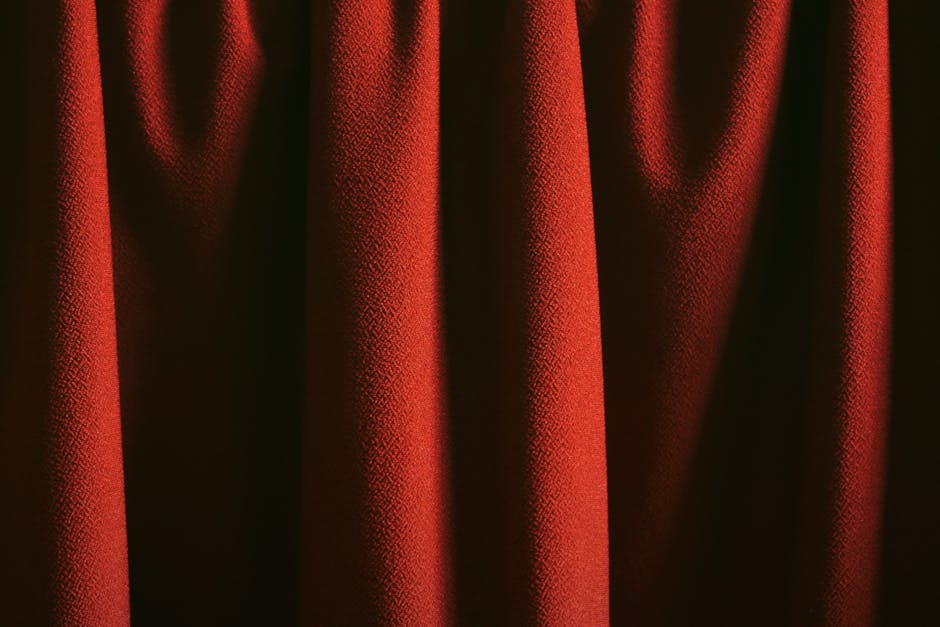
Introduction: Blackout vs Velvet Curtains – A Cost & Performance Guide
Choosing the right curtain fabric can transform a room, but the decision often comes down to two popular contenders: blackout and velvet. While both offer distinct advantages, their costs, functionality, and aesthetic appeal vary significantly. This comprehensive guide breaks down the price differences, performance metrics, and practical considerations to help you make an informed purchase. Whether you’re outfitting a home theater, a bedroom, or a commercial space, understanding the trade-offs between blackout and velvet curtains is essential for maximizing value.
___PROTECTED_1___
Understanding Blackout Curtains
Blackout curtains are specifically engineered to block out external light. They typically consist of multiple layers, including a dense woven fabric and a coating (often acrylic or foam) that prevents light penetration. Some blackout curtains also incorporate thermal or acoustic properties.
Common Fabric Types
- Polyester Blackout: Most affordable; moderate durability; easy to clean.
- Cotton Blackout: Natural feel; breathable; may require lining for full blackout.
- Triple-Weave Blackout: Premium option; thick, noise-reducing, and energy-efficient.
Typical Applications
- Bedrooms and nurseries
- Home theaters
- Hotels and healthcare facilities
- Offices with glare issues
___PROTECTED_2___
Understanding Velvet Curtains
Velvet curtains are known for their luxurious texture, rich color depth, and opulent drape. Traditionally made from silk or cotton, modern velvet uses polyester, viscose, or blends for cost-effectiveness and easier maintenance. Velvet’s dense pile structure also provides natural light diffusion and sound absorption, though not complete blackout.
Fabric Grades
- Polyester Velvet: Affordable; stain-resistant; good for high-traffic areas.
- Cotton Velvet: Softer; more breathable; requires professional cleaning.
- Silk Velvet: Ultra-luxurious; highest cost; delicate care.
Typical Applications
- Living rooms and dining rooms
- Hotel lobbies and luxury suites
- Formal event spaces
- Acoustic treatment in recording studios
Cost Breakdown: Blackout vs Velvet Curtains
The price of curtains depends on fabric quality, size, lining, and brand. Below is a comparison based on average retail prices per panel (standard 54” x 84”).
| Fabric Type | Entry-Level Cost | Mid-Range Cost | Premium Cost |
|---|---|---|---|
| Polyester Blackout | $15–$30 | $30–$60 | $60–$100 |
| Cotton Blackout | $25–$50 | $50–$90 | $90–$150 |
| Polyester Velvet | $20–$45 | $45–$80 | $80–$130 |
| Cotton Velvet | $40–$80 | $80–$140 | $140–$200 |
| Silk Velvet | $100–$200 | $200–$400 | $400+ |
Important Note: Blackout curtains often include lining, which adds weight and cost. Velvet curtains may require separate blackout liners, increasing total expense. Custom-made curtains can double or triple the prices above.
Long-Term Value
Higher upfront cost doesn’t always mean better value. Consider:
- Energy savings: Both blackout and velvet provide insulation, but blackout’s reflective coating can reduce heating/cooling costs by up to 25%.
- Durability: Polyester velvet holds up well; silk velvet is prone to fading and crushing.
- Maintenance: Blackout polyester is machine-washable; velvet often requires dry cleaning.
Performance Comparison
Light Blocking
- Blackout: 99% light blockage; essential for complete darkness.
- Velvet: 70–90% depending on pile density and lining; good for dimming but not total blackout.
Thermal Insulation
- Blackout: Excellent (R-value 1.5–2.5) due to multiple layers and coating.
- Velvet: Good (R-value 1.0–1.5) because thick fabric traps air, but lacking reflective layer.
Acoustic Properties
- Blackout: Moderate (NRC 0.3–0.5) from dense weave; better with added lining.
- Velvet: Superior (NRC 0.5–0.7) due to soft pile absorbing sound waves; preferred in studios.
Privacy
- Blackout: Opaque; no silhouettes visible.
- Velvet: Privacy depends on angle and lighting; lighter colors may be translucent.
Maintenance & Care
- Blackout: Most can be machine-washed on gentle cycle; tumble dry low. Avoid ironing coated fabrics.
- Velvet: Polyester velvet can be spot-cleaned; cotton or silk velvet needs professional dry cleaning. Vacuum with upholstery attachment to prevent crushing.
Which One Should You Buy?
Your choice hinges on primary needs and budget.
Buy Blackout Curtains If:
- You require complete light blockage (e.g., shift workers, nurseries, home theaters).
- You want maximum energy efficiency on a budget.
- You prefer low-maintenance, machine-washable fabric.
- You need a simple, cost-effective solution for large windows.
Buy Velvet Curtains If:
- You prioritize aesthetic luxury and tactile richness.
- You need superior sound absorption (e.g., home offices, recording rooms).
- You are willing to invest in moderate light dimming and can add a separate liner.
- You want a statement piece for formal or elegant interiors.
Compromise: Velvet with Blackout Lining
For the best of both worlds, purchase velvet curtains and hang a separate blackout liner behind them. This approach achieves full light blockage, enhanced insulation, and the luxurious look of velvet. The total cost is higher (drill down into $50–$150 for liner), but it offers maximum flexibility.
Practical Tips for Buying Curtains
- Measure twice: For custom look, order panels 1.5–2x the window width for fullness.
- Check lining: Blackout liners are available as add-ons; ensure they are thermally efficient.
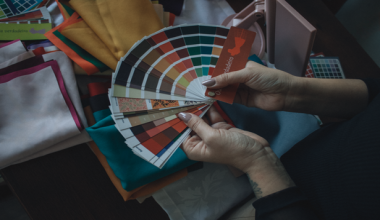
- Sample fabrics: Order swatches to test light diffusion and color in your room’s lighting.
- Consider hardware: Heavy velvet requires sturdy rods and brackets; blackout fabric is lighter.
- Read reviews: Look for buyer photos and comments about light leakage and fading.
- Budget for installation: Professional installation adds $50–$200 if custom or large.
Conclusion: Making Your Choice
There is no universal winner—blackout curtains dominate in function and affordability, while velvet excels in elegance and acoustics. By analyzing your budget, lighting needs, and aesthetic goals, you can select the fabric that aligns with your priorities. Remember to factor in long-term costs like cleaning and potential liner purchases. Use the cost table above to compare options side-by-side. For most homeowners, a mid-range polyester blackout curtain offers unbeatable value. But if you crave cinematic ambiance and softness, velvet with a blackout liner is the ultimate investment.