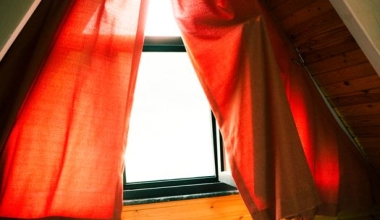
When it comes to window treatments, privacy is a top priority. Sheer curtains and blinds are two popular options, but which one truly offers better privacy? This article breaks down the key factors to help you decide. Below, we compare seven essential aspects of sheer curtains versus blinds to determine which provides superior privacy for your home.

1. Light Control and Privacy Balance
Sheer curtains are designed to filter light while allowing some visibility. During the day, they let natural light in while obscuring details from outside. However, at night, when interior lights are on, sheers become transparent—anyone outside can see inside. Blinds, on the other hand, offer adjustable light control. You can tilt slats to manage both light and privacy. For maximum privacy, vertical or horizontal blinds can be fully closed, blocking all light and view. In this aspect, blinds give you more direct control over privacy levels.
If you prioritize a soft, diffused light, sheers are appealing. But for precise privacy management, blinds win. Note that sheer curtains can be paired with blackout shades for nighttime privacy, but that adds cost. Overall, blinds are better for those who need adjustable privacy throughout the day.
___PROTECTED_1___
2. Daytime Privacy Solutions
During daylight, sheer curtains excel at creating a balance. The semi-transparent fabric blurs the view from outside while maintaining your connection to the outdoors. If your windows face a busy street or neighbors close by, sheers can provide enough daytime privacy. However, if someone stands very close to the window, they might see silhouettes. For many homeowners, that level of privacy is acceptable.
Blinds, when partially open, also offer daytime privacy depending on the angle. For bottom-up blinds, you can cover only the lower part of the window, allowing light in from above while blocking views. This gives you more nuanced control. If you prefer maximum daytime obscurity, blinds with a tight close or blackout lining are superior.
___PROTECTED_2___
3. Nighttime Privacy Concerns
Nighttime is where sheer curtains show their weakness. With lights on inside, sheers become see-through, offering almost no privacy. This is a critical drawback for bedrooms and living rooms. You would need to add a second layer like drapes or shades, which defeats the simplicity of sheers. In contrast, blinds can be fully closed at night, creating a complete barrier that blocks both light and vision. For many, this makes blinds the clear winner for nighttime privacy.
Some modern blinds come with light-blocking features like blackout coatings or tight fit. Sheer curtains, while elegant, require a supplementary solution for night use. If you frequently use your space at night and value privacy, blinds are more reliable.
4. Aesthetic and Design Impact
Sheer curtains offer a soft, flowing look that adds elegance and dimension to any room. They come in various textures and can make a space feel airy and open. Privacy aside, they enhance the aesthetic appeal. Blinds, on the other hand, have a more structured, clean-lined appearance. They work well in modern and minimalistic interiors. The choice between them depends on your design style. But privacy is not solely about function; perception matters too.
Some people feel more secure with solid blinds, while others appreciate the filtered view of sheers. If privacy is your primary concern, consider that blinds can be made from materials like aluminum, wood, or vinyl that feel more secure. However, you can achieve a similar look with sheer curtains by adding a privacy film to the glass or planting tall shrubs outside the window.
5. Cost and Value Comparison
Sheer curtains are generally more affordable than blinds, especially if you choose ready-made panels. Custom sheers can be pricey but still often less than top-of-the-line blinds. However, the lower initial cost may be offset by the need for additional treatments for nighttime privacy. Blinds, particularly cellular or honeycomb shades, provide insulation and privacy in one package. Their cost varies widely based on material and size, but they often offer better long-term value for privacy seekers.
If you're on a budget, sheer curtains are a cheap way to add a layer of privacy during the day. But for overall privacy, investing in blinds reduces the need for extra layers. Consider your use case: if you only need daytime privacy, sheers are cost-effective. For round-the-clock privacy, blinds are worth the higher price.
6. Maintenance and Longevity
Sheer curtains require regular cleaning—they can collect dust and may need hand washing or dry cleaning. Delicate fabrics can be prone to snagging. Blinds are typically easier to maintain; a quick wipe with a damp cloth or a dusting brush keeps them clean. Blinds are also more durable, especially those made from synthetic materials. If you have pets or children, blinds may withstand wear better than delicate sheers.
For privacy, cleanliness matters. Dusty sheers can become translucent, reducing their obscuring effect. Clean blinds, especially those with light-blocking features, maintain their privacy function longer. If low maintenance is important, blinds are the better choice.
7. Energy Efficiency and Insulation
Privacy isn't just about visibility; it's also about temperature and sound insulation. Sheer curtains offer minimal insulation, as their thin fabric lets heat escape and noise pass through. They can reduce glare but don't significantly affect energy bills. Blinds, especially cellular shades or layered blinds, create an insulating air pocket. This helps regulate room temperature and provides a barrier against outside noise, enhancing the feeling of privacy.
For bedrooms and spaces where you want to feel secluded, the insulation offered by blinds adds an intangible privacy benefit. They reduce draft and block sound, creating a cocoon-like effect. While sheers are beautiful, they lack this insulating quality. If energy savings and noise reduction are part of your privacy goal, blinds are superior.
Conclusion: Neither sheer curtains nor blinds are universally better—it depends on your needs. For daytime privacy with a soft aesthetic, sheers are excellent. But for total privacy at any time of day, especially at night, blinds win. Consider layering both for the best of both worlds. Ultimately, evaluate your daily activities and privacy threshold to choose the right window treatment.