Creating an immersive home theater experience goes beyond the screen and speakers—acoustics play a crucial role. One of the most effective yet often overlooked elements is the choice of curtain fabric. The right fabric can dramatically reduce echo, absorb unwanted noise, and prevent sound leakage. This guide explores the best fabrics for soundproofing your home theater curtains, helping you choose the perfect material for optimal audio performance.
Understanding Soundproofing vs. Sound Absorption
Before diving into fabrics, it's important to distinguish between soundproofing and sound absorption. Soundproofing aims to block sound from entering or leaving a room, while sound absorption reduces reverberation and echo within the space. For home theater curtains, you generally benefit from both properties. Dense, thick fabrics with multiple layers excel at blocking sound transmission, while porous, fibrous materials absorb sound waves to enhance clarity.
An ideal home theater curtain fabric combines high mass (to block sound) with a textured surface (to absorb sound). The following sections break down the key characteristics to look for.
___PROTECTED_1___
Key Characteristics of Soundproofing Fabrics
When selecting a fabric for soundproofing curtains, consider these factors:
- Density & Mass: Heavier fabrics with high density (measured in ounces per square yard) are better at blocking sound. Look for fabrics weighing 14 oz/yd² or more.
- Thickness: Thicker fabrics create a longer path for sound waves to travel, reducing transmission. A thickness of at least 0.5 inches is recommended for effective soundproofing.
- Weave & Texture: Tight weaves and plush textures (like velvet) trap sound waves, preventing them from bouncing around the room. Looser weaves allow sound to pass through.
- Layering: Multiple layers of fabric, such as a front decorative layer and a back acoustic lining, dramatically improve both absorption and blocking.
- Fire Resistance: Safety is paramount. Choose fabrics treated with flame retardants or inherently fire-resistant materials (e.g., modacrylic blends).
Now let's examine the top fabric categories and their suitability for home theater curtains.
___PROTECTED_2___
Top Fabric Choices for Soundproofing Curtains
Velvet
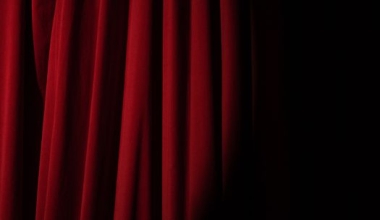
Velvet is a classic choice for home theater curtains due to its luxurious appearance and excellent sound-dampening properties. The dense pile traps sound waves, reducing echo and flutter. Velvet typically weighs 16–20 oz/yd², providing substantial mass for blocking noise. However, not all velvet is created equal. Crushed velvet and cotton velvet offer varying densities. For best results, choose a heavyweight velvet with a tight weave and a thick pile (1–2 mm). Velvet also works well in combination with an acoustic lining.
Acoustic Curtain Fabrics
Specialized acoustic curtain fabrics are engineered for noise control. Often made from dense polyester or fiberglass blends, they feature a porous structure that absorbs sound across a wide frequency range. These fabrics are typically heavyweight (20+ oz/yd²) and have a rough, textured surface. Some acoustic fabrics come with a laminated mass-loaded vinyl (MLV) core for superior sound blocking. While less decorative than velvet, many modern acoustic fabrics are available in a range of colors and patterns.
Blackout Fabrics
Blackout curtains are primarily designed to block light, but their construction—multiple layers of tightly woven polyester or cotton with a foam or suede coating—also makes them effective sound absorbers. The dense layers and high mass help dampen noise. For soundproofing, opt for blackout fabrics with a thick, felted backing or those labeled as “soundproof” or “acoustic blackout.” Avoid lightweight blackout materials that only have a thin coating; they won't provide adequate mass.
Other Options
- Canvas & Denim: Heavyweight canvas (18+ oz) and denim offer good sound absorption due to their tight weave, but they lack the plushness of velvet. They are suitable for industrial or rustic-themed rooms.
- Wool & Felt: Wool felt is an excellent natural sound absorber. It's dense, thick, and inherently fire-resistant. However, it can be expensive and may require professional cleaning.
- Suede: Microfiber suede provides a soft texture and reasonable sound absorption, but it is less effective than velvet or acoustic fabrics unless layered.
To help you compare, here's a summary table:
| Fabric Type | Weight (oz/yd²) | Sound Absorption | Sound Blocking | Best For |
|---|---|---|---|---|
| Heavy Velvet | 16–20 | High | Good | Luxury home theaters, combined with acoustic lining |
| Acoustic Fabric | 20–30 | Very High | Very Good | Dedicated media rooms, professional theaters |
| Blackout Curtain | 12–18 | Moderate | Moderate | Multi-purpose rooms, budget-friendly |
| Canvas/Denim | 14–20 | Moderate-High | Moderate | Industrial decor, DIY projects |
| Wool Felt | 20–30 | Very High | Good | Eco-friendly, high-end installations |
How to Choose the Right Fabric for Your Home Theater
Consider your room's existing acoustics, budget, and aesthetic preferences. Here’s a step-by-step approach:
- Assess Your Needs: If sound leakage is your main concern (e.g., disturbing family members), prioritize mass and density. If echo is the issue, focus on absorption (texture and thickness).
- Measure Your Windows: Curtains should extend beyond the window frame—at least 6 inches on each side—and reach the floor. Fuller panels (2–3 times the window width) create more fabric surface area for sound control.
- Choose a Lining: Even a medium-weight velvet can be significantly improved with an acoustic lining. Look for linings made of mass-loaded vinyl or fleece-backed materials.
- Test Samples: Order fabric swatches and drape them to see how they hang. Listen for changes in room echo. A simple clap test can reveal how deadening the fabric feels.
- Consider Maintenance: Velvet and acoustic fabrics may require special care (dry cleaning or gentle washing). Blackout curtains are often machine washable.
Installation Tips for Maximum Noise Reduction
Even the best fabric won't work if not installed properly. Follow these tips:
- Use a sturdy curtain rod with rings or a track system. The weight of soundproof fabrics requires robust hardware.
- Create a seal around the curtain edges. Attach magnetic strips or velcro to the sides and bottom to prevent sound leaks.
- Layer your curtains: Combine a heavy decorative panel with a separate acoustic backing or hang two sets of curtains (one for blocking, one for absorption).
- Hang curtains as close to the ceiling as possible, extending to the floor. This maximizes the surface area exposed to sound waves.
- Combine with other acoustic treatments like bass traps or diffusers for a complete solution.
Care and Maintenance Tips
To preserve soundproofing qualities:
- Dust regularly: Use a vacuum with a brush attachment to remove dust that can clog fibers and reduce absorption.
- Spot clean stains: Follow fabric-specific instructions. Velvet may require a specialist cleaner; blackout curtains can often be machine washed on gentle cycle.
- Avoid over-washing: Frequent washing can break down fibers and coatings. Dry clean heavy acoustic fabrics every 1–2 years.
- Check fire ratings: If you use a flame retardant spray, reapply as recommended by the manufacturer.
Conclusion
The best fabric for soundproofing home theater curtains depends on your specific requirements. For a blend of aesthetic appeal and acoustic performance, heavy velvet with an acoustic lining is a top choice. If maximum noise reduction is the priority, invest in specialized acoustic curtain fabrics with high mass. Blackout curtains offer a cost-effective multifunctional option. Remember to pair your fabric choice with proper installation and maintenance to achieve the immersive sound experience you desire.