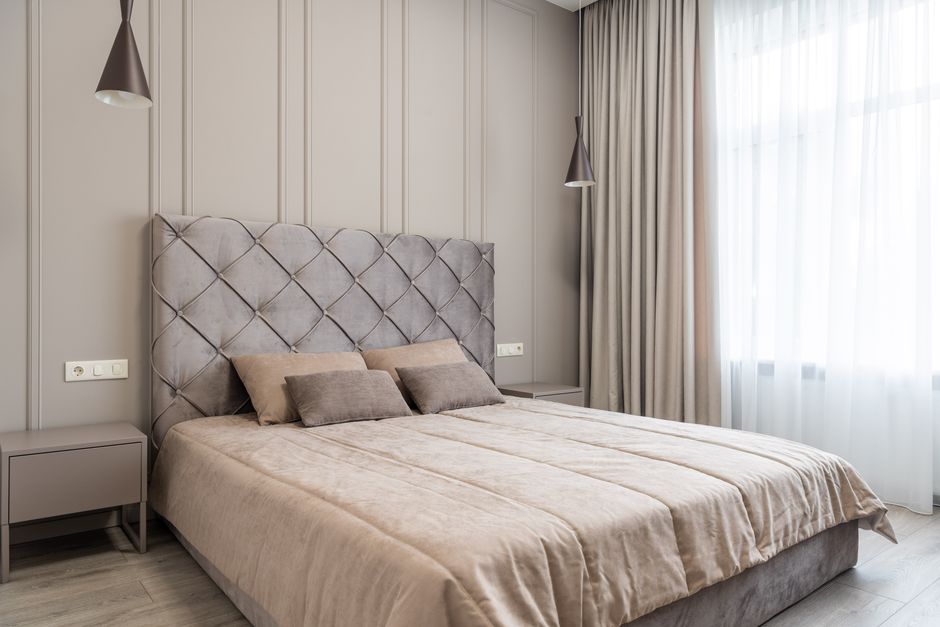
The Role of Curtains in Luxury Hotel Design
In the world of luxury hospitality, every detail matters—and curtains are no exception. They are not merely functional items for blocking light or providing privacy; they are essential design elements that set the tone for guest experience. High-end hotels use curtains to create an atmosphere of opulence, comfort, and exclusivity. The right curtain can transform a standard room into a serene sanctuary, enhance architectural features, and even improve acoustics for a restful stay. From the moment a guest checks in, the drapes framing a window with a skyline view or the blackout liners ensuring a deep sleep contribute to the overall perception of luxury. Understanding how to select and style curtains is therefore crucial for hoteliers and interior designers aiming to exceed guest expectations.
___PROTECTED_1___
Choosing the Right Fabric: Blackout, Sheer, Velvet & Acoustic
Blackout Fabrics
For luxury hotels, blackout curtains are non-negotiable. They block 99% of external light, ensuring guests enjoy undisturbed sleep at any hour. High-quality blackout fabrics often feature a dense weave or a special coating (like a foam backing or interlining) that also provides thermal insulation. In top-tier properties, blackout curtains are layered with decorative drapes so that the functional element remains hidden. Common options include triple-weave polyester, sateen blackout, and lined cotton velvets.
Sheer Fabrics
Sheer curtains add a touch of elegance and softness to hotel rooms. They allow natural light to filter in while offering a degree of daytime privacy. Luxury hotels often use linen blends or polyester voiles with a fluid drape. Sheers are also used as the inner layer of a double-hung curtain system, paired with heavier drapes for versatility. The key is to select sheers with a subtle texture or sheen that catches the light beautifully.
Velvet Fabrics
Velvet is the quintessential luxury curtain fabric. Its rich texture, deep color saturation, and slight luster make it a favorite for suiting classical and contemporary designs. Hotels use velvet for its ability to absorb sound and create a cozy, opulent ambiance. Historically, velvet was made from silk, but modern luxury hotels often opt for high-quality polyester velvet or cotton-viscose blends that are more durable and stain-resistant. Velvet works well in suites, lounges, and lobbies where visual impact is paramount.
Acoustic Fabrics
Noise control is a critical factor in hotel comfort. Acoustic curtains are designed with dense, multilayered fabrics that dampen sound transmission. These are particularly valuable for hotels located near busy streets or airports. Acoustic curtains typically have a high fabric weight (300–500 gsm) and may incorporate a mass loaded vinyl (MLV) layer. They can be combined with decorative fabrics to maintain aesthetic appeal while improving the room's sound insulation.
| Fabric Type | Key Benefit | Best Use |
|---|---|---|
| Blackout | Complete light blockage | Bedrooms, suites |
| Sheer | Soft light diffusion | Daytime privacy, layering |
| Velvet | Luxurious texture, sound absorption | Lounges, lobbies, high-end suites |
| Acoustic | Noise reduction | Street-facing rooms, meeting spaces |
___PROTECTED_2___
Layering Techniques for a Sumptuous Look
Layering is the secret to achieving a designer look. A classic luxury hotel window features at least two layers: a sheer curtain for daytime and a heavier drape for night. For ultimate opulence, add a third layer such as a valance, a top treatment, or a contrast lining. Here are effective layering strategies:
- Sheer + Blackout + Velvet: This triple-layer approach offers maximum functional versatility and visual depth. The sheer mitigates harsh daylight, the blackout ensures darkness, and the velvet adds weight and elegance.
- Double Rod System: Install two curtain rods—one near the window for sheers, another extended wider for drapes. This allows independent operation and a fuller look when open.
- Contrast Linings: Use a contrasting color or pattern for the lining of blackout drapes. When the curtains are drawn back, the lining becomes a decorative element that complements the main fabric.
- Tiebacks & Trims: Add custom tassels, beaded tiebacks, or embroidered trims to enhance the luxurious feel. These details are often signature touches in five-star hotels.
Color Palettes and Patterns for High-End Hotels
Color selection in luxury hotels is deliberate. Neutral palettes (ivory, beige, taupe, charcoal) dominate because they convey timeless elegance and allow flexibility with seasonal decor changes. However, accent colors can be introduced through curtains to create memorable spaces. For instance, a deep emerald green or royal blue velvet curtain can become the room's focal point. Patterns should be used sparingly—subtle damask, geometric weaves, or tone-on-tone textures work best. Avoid loud prints that may date quickly or overwhelm guests. In corporate luxury hotels, solid colors with rich texture are preferred; in boutique hotels, bold patterns on a single accent window can define the brand identity.
Motorization and Smart Control Systems
Modern luxury hotels are increasingly adopting motorized curtains for convenience, energy efficiency, and a high-tech guest experience. Motorized systems allow curtains to be opened and closed via bedside switches, remote controls, or integrated room automation systems (like Crestron or Lutron). Benefits include:
- Seamless integration with hotel room tablets or voice assistants.
- Pre-set schedules (e.g., curtains open automatically at sunrise).
- Consistent appearance across all rooms.
- Reduced wear and tear due to minimal manual handling.
When selecting motorized tracks, ensure they are quiet and reliable. Battery-operated options are available for retrofit projects, while wired systems are preferred for new constructions. The curtain fabric weight must be compatible with the motor's capacity; heavy velvets or acoustic fabrics require stronger motors.
Curtain Hardware and Finishing Touches
Hardware should complement the overall design. Decorative rods, finials, and rings can elevate the look. For luxury hotels, custom-made rods in brass, bronze, or chrome are common. Consider whether to conceal the track behind a pelmet or to expose an elegant rod. Pelmets (or cornices) add a formal, finished appearance and can incorporate valances for extra softness. Holdbacks and tiebacks should be functional yet decorative, often matching the rod finish. Also, ensure that the curtain length is perfect—floor-length drapes that just kiss the floor are ideal; puddling may be too casual for most luxury settings.
Industry Application Cases: Real-World Examples
Case 1: The Ritz-Carlton, New York
The Ritz-Carlton uses triple-layered window treatments in its suites: a sheer linen underlayer, a blackout drape with a cotton sateen face, and an outer panel of silk velvet. The combination provides both privacy and a classic luxury aesthetic that aligns with the brand's heritage.
Case 2: W Hotels (Boutique Modern)
W Hotels often use bold colors and motorized blackout blinds for a tech-savvy feel. In their Singapore property, floor-to-ceiling sheers are paired with electric blackout roller shades, allowing full control via in-room tablet. The minimalistic approach with high-quality fabrics creates a sleek, contemporary impression.
Case 3: The Peninsula, Paris
The Peninsula Paris incorporated acoustic curtains in rooms facing Avenue Kléber. The curtains are made of a double layer of wool-mix fabric with a thin foam core, dampening street noise while maintaining a soft, elegant drape. The result is a quiet haven in a bustling city.
Care Tips for Maintaining Luxury Curtains
Luxury curtains require regular maintenance to preserve their appearance and functionality. Key tips include:
- Vacuuming: Use a brush attachment weekly to remove dust—especially important for velvet and acoustic fabrics that attract fine particles.
- Dry Cleaning: Most luxury fabrics (velvet, lined blackouts) should be dry-cleaned every 1–2 years. Always check the care label.
- Spot Cleaning: For stains, blot immediately with a clean cloth. Avoid rubbing; use a gentle detergent or specialist cleaner.
- Sunlight Protection: Ultraviolet rays can fade fabrics over time. Ensure blackout linings are properly installed to protect the outer decorative fabric.
- Hardware Checks: Inspect rods, rings, and motorized tracks periodically to ensure smooth operation. Lubricate metal parts if necessary.
Buying Guide: What to Look For
When purchasing luxury hotel curtains, consider these factors:
- Fire Safety Compliance: All hotel curtains must meet local fire resistance standards. Ask for certifications or treat fabrics with flame retardants.
- Fabric Weight: Heavier fabrics (300+ gsm) indicate better quality and acoustic properties, but ensure your hardware supports the weight.
- Light Blocking Rating: Blackout fabrics should have a light transmission rating below 1% for full effect.
- Custom vs. Ready-Made: Custom curtains offer tailored measurements and fabric choices—essential for hotels to ensure a perfect fit.
- Warranty: Reputable manufacturers offer warranties on fabric fading, stitching, and motor reliability.
By following these guidelines, hoteliers can create curtain schemes that exude luxury, provide practical benefits, and leave a lasting impression on guests.