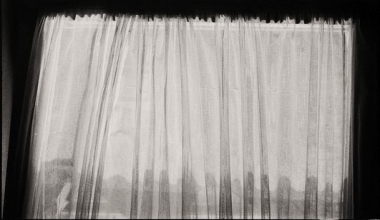
1. Velvet Curtains – The Heavyweight Champion of Sound Absorption
When it comes to soundproofing a music room, velvet is a top contender. Its dense, plush pile traps sound waves, reducing echo and reverberation. Velvet curtains are typically made from materials like cotton, silk, or synthetic blends, with a high fabric weight (often 300-500 gsm) that blocks both airborne noise and flanking sound. The thick weave creates a physical barrier that absorbs mid and high frequencies, making them ideal for recording vocals or acoustic instruments.
For optimal soundproofing, choose triple-weave velvet with a blackout lining. This combination not only dampens sound but also blocks light, helping to create a controlled acoustic environment. Hang them floor-to-ceiling and extend them past the window frame to minimize sound leakage. Velvet's luxurious texture also adds a professional, studio-like aesthetic to your music room while serving as effective acoustic treatment.
___PROTECTED_1___
2. Acoustic Curtain Fabric – Engineered for Sound Control
Acoustic curtain fabrics are specially designed with noise reduction in mind. They often incorporate layers of fiberglass, mass-loaded vinyl (MLV), or dense polyester fibers to absorb and block sound. These materials are tested for their Noise Reduction Coefficient (NRC) and Sound Transmission Class (STC), making them a reliable choice for music rooms where sound quality matters. Acoustic curtains can reduce noise by up to 50% compared to standard drapes.
One standout brand is Acoustimac or similar, which uses recycled cotton and polyester bonded together. These curtains are often weighted at the bottom and feature grommets for easy installation. For a music room, pair acoustic curtains with a double rod system: a sheer layer for diffuse light and the acoustic layer for sound control. Their functional design makes them a go-to for home studios, practice spaces, and rehearsal rooms.
___PROTECTED_2___
3. Blackout Curtains – Dual-Purpose Sound and Light Blockers
Blackout curtains are primarily known for light blocking, but their dense construction also provides decent sound insulation. Most blackout curtains have a foam or suede backing that adds mass and absorbs sound. This makes them a budget-friendly option for reducing ambient noise from outside or between rooms. While not as effective as specialized acoustic fabrics, they significantly dampen high-pitched noises like traffic or air conditioners.
For a music room, choose blackout curtains with a thick, interlined Blackout fabric. Look for those with a high GSM (grams per square meter) – over 400 GSM is best. Install them with a track or pole that touches the wall to seal edges. Combine with a soundproofing window insert for maximum effect. Blackout curtains are easy to clean and maintain, making them a practical choice for musicians who need versatile accessories.
4. Sheer Curtains – Not for Soundproofing, but for Acoustic Diffusion
While sheer curtains are not effective for soundproofing, they play a role in acoustic treatment. Their light, open weave allows sound to pass through, but when layered over heavier curtains or used as a diffuser, they can soften high-frequency reflections. Sheers help control brightness in a room without trapping sound, making them useful in a music room that also serves as a living space.
For best results, use sheers as a secondary layer behind velvet or acoustic curtains. They protect the heavier fabric from dust and add a decorative element. Avoid relying on sheers alone for soundproofing; instead, think of them as part of a multi-layer approach. Given their low NRC rating, they should not be listed as a primary soundproofing material but noted for their complementary role.
5. Fabric Weight and Density – Key Factors in Soundproofing Performance
The weight and density of curtain fabric directly correlate with sound absorption. Heavier fabrics (over 300 gsm) are more effective because they have more mass to vibrate and absorb sound energy. Velvet, wool blends, and multi-layer drapery are excellent choices. Density affects the fabric's ability to trap soundwaves – a tight weave with a thick pile is more efficient than a loose weave.
When choosing fabric, look for terms like “heavyweight,” “interlined,” or “double-pass” which indicate added density. You can also layer two different fabrics to increase mass. For a music room, aim for an overall curtain weight of at least 1.5-2 kg per panel. This will significantly reduce both incoming and outgoing noise, helping to achieve a neutral acoustic environment.
6. Curtain Layering and Installation Techniques for Maximum Sound Reduction
Installing curtains correctly is as important as the fabric itself. To maximize soundproofing, use a floor-to-ceiling rod mounted as close to the ceiling as possible. Extend the rod beyond the window frame to cover the entire recess. This prevents sound from leaking around the sides. Overlap the panels at the center by 10-15 cm to eliminate gaps. Use curtain tracks with a overlap closure or use a double rod for two layers.
Consider adding a valance or cornice box at the top to seal the opening. Alternatively, use magnetic strips or hook-and-loop fasteners to attach the curtain to the wall at the sides. For heavy curtains, ensure the rod or track is sturdy enough to support the weight. Proper installation can improve soundproofing effectiveness by up to 30% compared to loosely hung curtains.
7. Acoustics vs. Soundproofing – Understanding the Difference
It's crucial to distinguish between acoustic treatment and soundproofing. Acoustic treatment (with curtains, foam, diffusers) improves sound quality inside a room by reducing echo and flutter. Soundproofing (with mass-loaded vinyl, decoupling) blocks sound from entering or leaving. Curtains primarily serve as acoustic treatment, but heavy, layered fabrics can offer some soundproofing, especially for mid and high frequencies.
For a music room where you record or practice, you need both. Invest in heavy curtains for absorption, and seal gaps around windows and doors. If you require full isolation (e.g., drums or amplified instruments), a room-within-a-room construction and proper wall insulation are necessary. Curtains are a cost-effective step in the right direction, but set realistic expectations. They are ideal for reducing flutter echo and damping room resonance.
8. Maintenance and Care Tips for Curtain Fabrics
To maintain soundproofing performance, keep curtains clean. Dust and dirt can fill the fabric pores, reducing absorption. Vacuum velvet and acoustic curtains with a soft brush attachment monthly. For blackout curtains, spot-clean with mild detergent and water. Avoid machine washing unless specified, as it can damage the backing. For stubborn stains, dry cleaning is safer.
Check for sagging or gaps periodically. Re-secure attachments and adjust the rod if needed. If your curtains are exposed to sunlight, consider lining them to prevent fading. Some acoustic fabrics are treated with fire retardants; ensure these are according to local regulations. With proper care, high-quality curtains can last for years, providing consistent acoustic performance for your music room.