Introduction
Choosing the right curtains for your bedroom is a decision that balances aesthetics, functionality, and comfort. Two popular options—velvet curtains and blackout curtains—offer distinct benefits. Velvet drapes bring luxury and warmth, while blackout curtains excel at blocking light and improving sleep. This guide will help you decide which is best for your bedroom by comparing their features in depth.
___PROTECTED_1___
What Are Velvet Curtains?
Velvet curtains are made from a woven fabric with a dense pile, giving them a soft, plush texture. They are traditionally made from silk, cotton, or synthetic fibers like polyester. Velvet drapes are known for their rich colors, elegant sheen, and ability to add a touch of opulence to any room. They are heavy and provide excellent insulation, but their primary function is decorative rather than functional light blocking.
___PROTECTED_2___
What Are Blackout Curtains?
Blackout curtains are specifically designed to block external light. They are typically made from multiple layers of fabric, often including a foam or acrylic coating, and have a tight weave. Some blackout curtains also incorporate a thermal backing to insulate against heat and cold. Their main purpose is to create a dark environment conducive to sleep, making them ideal for bedrooms, nurseries, and home theaters.
Key Differences: Velvet vs. Blackout Curtains
| Feature | Velvet Curtains | Blackout Curtains |
|---|---|---|
| Light Blocking | Moderate; heavy velvet blocks some light but not 100% | Excellent; designed to block 95-100% of light |
| Noise Reduction | Good; thick fabric absorbs sound | Moderate; some have acoustic lining |
| Insulation | Excellent due to heavy material | Good to excellent with thermal backing |
| Aesthetic | Luxurious, rich, elegant | Range from basic to trendy, often matte finish |
| Cost | Higher for quality velvet | Varies widely; can be very affordable |
| Maintenance | Dry clean or gentle wash | Usually machine washable |
Light Blocking Capabilities
If your priority is complete darkness for uninterrupted sleep, blackout curtains are the clear winner. Their multi-layer construction and light-absorbing materials ensure that even strong sunlight is blocked. Velvet curtains, especially those with a dense pile, can reduce light but often let in light through the edges or the fabric itself unless they have a blackout lining. A practical tip: If you love velvet but need darkness, consider adding a separate blackout liner behind your velvet drapes.
Thermal Insulation and Energy Efficiency
Both types offer insulation, but in different ways. Velvet’s thick pile traps air, reducing heat loss in winter and keeping rooms cooler in summer. Blackout curtains with a thermal coating can reflect heat and prevent drafts. For energy savings, both are effective, but velvet may provide a more natural, breathable insulation. For extreme climates, a combination of velvet with a thermal blackout lining is optimal.
Aesthetic Appeal
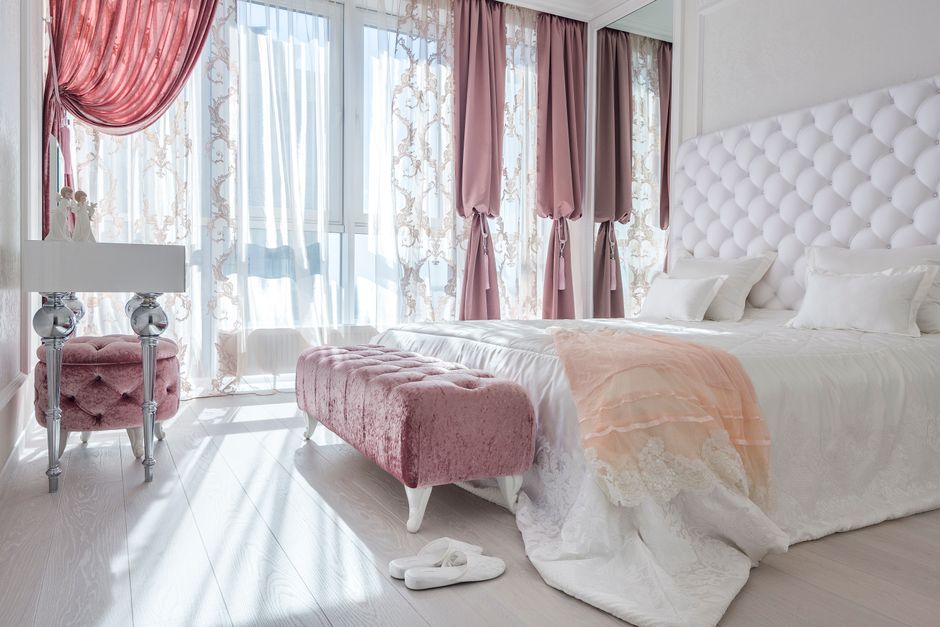
Velvet curtains are unrivaled when it comes to creating a sophisticated, cozy atmosphere. The way they catch light and their soft texture add depth to a room. They are available in vibrant jewel tones, neutrals, and classic patterns. Blackout curtains have improved in style, but many still have a more practical, less luxurious look. If your bedroom design is modern or minimalist, sleek blackout curtains in linen or faux silk can work well. For a traditional or glamorous bedroom, velvet is the preferred choice.
Maintenance and Durability
Velvet requires more care. It can attract dust and pet hair, and may crush or fade in direct sunlight. Most velvet curtains require dry cleaning. Blackout curtains are generally more durable and easier to clean—most can be machine washed and tumble dried. Consider your lifestyle: if you have allergies or pets, blackout curtains may be more practical.
Which One Should You Choose?
The decision depends on your priorities:
- Choose velvet curtains if you want a luxurious, warm aesthetic and don’t need complete darkness. They are perfect for master bedrooms where you can layer them with other window treatments.
- Choose blackout curtains if sleep quality is your top priority, or if you have shift workers, babies, or light-sensitive sleepers. They are also better for small bedrooms where you need to maximize space with a single solution.
- Combine both by using blackout roller shades or liners behind velvet curtains. This gives you the best of both worlds: style and function.
Practical Tips for Buying
- Check the fabric composition: Polyester velvet can be more durable and affordable than cotton or silk velvet.
- Look for blackout ratings: Many brands specify the percentage of light blocked (e.g., 95% or above).
- Measure correctly: Curtains should be wide enough to cover the window plus extra for fullness. For blackout, ensure they extend past the frame.
- Consider the room’s orientation: North-facing rooms may benefit more from velvet’s warmth, while south-facing rooms may require blackout to reduce glare.
Conclusion
Both velvet and blackout curtains have their merits for the bedroom. Velvet delivers unmatched luxury and comfort, while blackout curtains provide the darkness necessary for deep sleep. By understanding the differences in light blocking, insulation, aesthetics, and care, you can make an informed choice. For many homeowners, a combination approach yields the best results—enjoy the beauty of velvet and the functionality of blackout in a single layered window treatment.