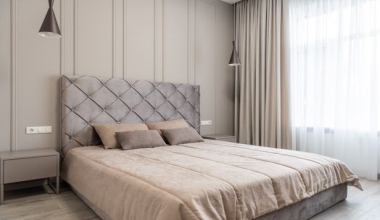
Choosing the right window treatment for your living room is crucial for balancing aesthetics, function, and comfort. Two popular options are sheer curtains and blackout curtains. Each offers distinct benefits and drawbacks. This guide provides a detailed comparison to help you decide which—or a combination—works best for your space.
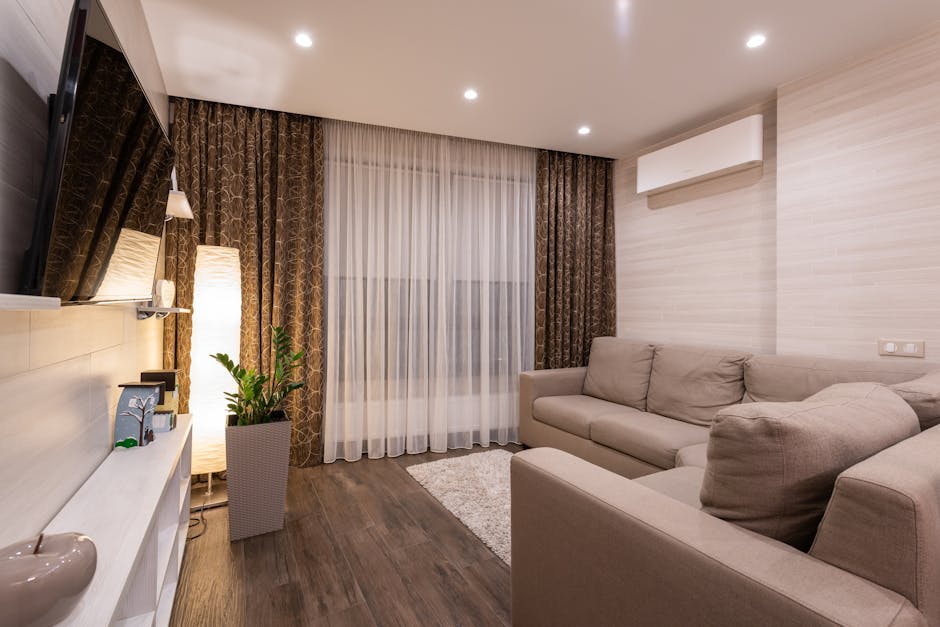
Understanding Sheer Curtains
Sheer curtains are lightweight, translucent fabrics that filter light while providing a soft, airy look. They are typically made from polyester, cotton, linen, or voile. Their primary purpose is to soften sunlight, reduce glare, and offer a layer of privacy without blocking the view entirely.
- Light Filtering: Allows natural light to enter while diffusing it to prevent harsh glare.
- Privacy: Provides daytime privacy (outsiders cannot see in clearly) but limited nighttime privacy when interior lights are on.
- Aesthetics: Creates an elegant, breezy atmosphere; ideal for spaces where you want a soft, romantic look.
- Cost: Generally less expensive than blackout curtains.
___PROTECTED_1___
Understanding Blackout Curtains
Blackout curtains are thick, opaque fabrics designed to block nearly all external light from entering a room. They often have multiple layers or a special coating (e.g., foam-backed or lined with blackout fabric). They are popular in bedrooms and media rooms, but also in living rooms seeking light control and energy efficiency.
- Light Blocking: Blocks 85-99% of incoming light; some have a 'blackout' rating.
- Privacy: Complete privacy at all times, as no light passes through.
- Insulation: Helps regulate room temperature by blocking heat in summer and retaining warmth in winter.
- Noise Reduction: Thicker fabric dampens outside noise to some extent.
- Cost: More expensive due to material density and layers.
___PROTECTED_2___
Pros and Cons of Sheer Curtains
Pros
- Maximizes natural light, making the room feel brighter and more spacious.
- Provides a soft, elegant aesthetic that enhances decor.
- Affordable and available in many colors/patterns.
- Lightweight and easy to install and clean.
- Works well alone or layered with heavier curtains.
Cons
- Limited privacy at night; silhouettes may be visible.
- No significant light blocking—does not help with sleep or media viewing.
- Minimal insulation or energy efficiency.
- May fade or degrade faster in direct sunlight.
Pros and Cons of Blackout Curtains
Pros
- Superior light blocking for darker rooms; essential for shift workers, napping, or home theater.
- Enhanced privacy—no light penetration.
- Energy savings by reducing heat gain/loss.
- Reduces outside noise for a quieter room.
- Protects furniture from UV fading.
Cons
- Blocks natural light entirely when closed, making room dark.
- Heavier fabric may look bulky; less elegant.
- Higher cost, especially for large windows.
- May trap heat in summer if not properly insulated (though generally helps).
- Some curtains have chemical backing that can off-gas initially.
Comparison Table: Sheer vs. Blackout Curtains
| Feature | Sheer Curtains | Blackout Curtains |
|---|---|---|
| Light Control | Filter soft light | Blocks almost all light |
| Privacy | Daytime only | Full privacy 24/7 |
| Insulation | Minimal | Good to excellent |
| Noise Reduction | Low | Moderate |
| Aesthetics | Airy, elegant | Heavy, functional |
| Cost | Low to medium | Medium to high |
| UV Protection | Low | High |
| Maintenance | Easy (machine wash often) | May require dry cleaning or spot cleaning |
How to Choose: Factors to Consider
1. Primary Function
Ask yourself: Do you want natural light and a view, or darkness and privacy? If you often entertain during the day and want a bright vibe, sheers are great. If you watch movies or work night shifts, blackout is better.
2. Room Orientation
South-facing rooms get intense sunlight; sheers will soften it without blocking it completely. North-facing rooms get softer light; sheers work well. West-facing rooms get harsh afternoon sun; blackout curtains can darken the room and reduce heat.
3. Privacy Needs
If your living room is on a ground floor or faces a busy street, blackout curtains offer better privacy at night. Sheers alone may not suffice when lights are on.
4. Aesthetic Preference
Sheers provide a light, romantic feel. Blackout curtains come in many styles but are typically more structured. Consider your decor: minimalist, traditional, or modern?
5. Budget
Sheers are budget-friendly. Blackout curtains, especially custom ones, can be expensive. But they also add energy savings over time.
6. Layering Option
You don't have to choose one! Layering sheers behind blackout curtains gives you the best of both worlds. Use sheers during the day for light and privacy, then close the blackout curtains at night or for media viewing.
Practical Tips for Layering
- Install a double curtain rod: one rod for sheers close to the window, another for blackout curtains on top.
- Choose complementary colors and textures: white sheers with dark velvet blackout curtains create a luxurious look.
- Ensure both sets are wide enough to cover the window fully when closed.
- Use tiebacks for the blackout curtains to keep them open and show the sheers.
Conclusion
Deciding between sheer and blackout curtains for your living room depends on your priorities. For a bright, open feel with a touch of elegance, sheers are ideal. For total darkness, privacy, and energy efficiency, blackout curtains win. However, layering both is often the best solution—enjoy the best of both worlds. Evaluate your needs for light, privacy, and style, and choose accordingly.