1. Material and Texture
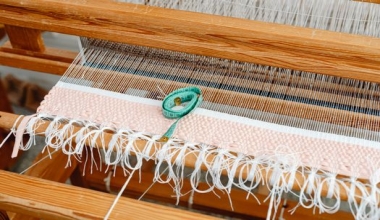
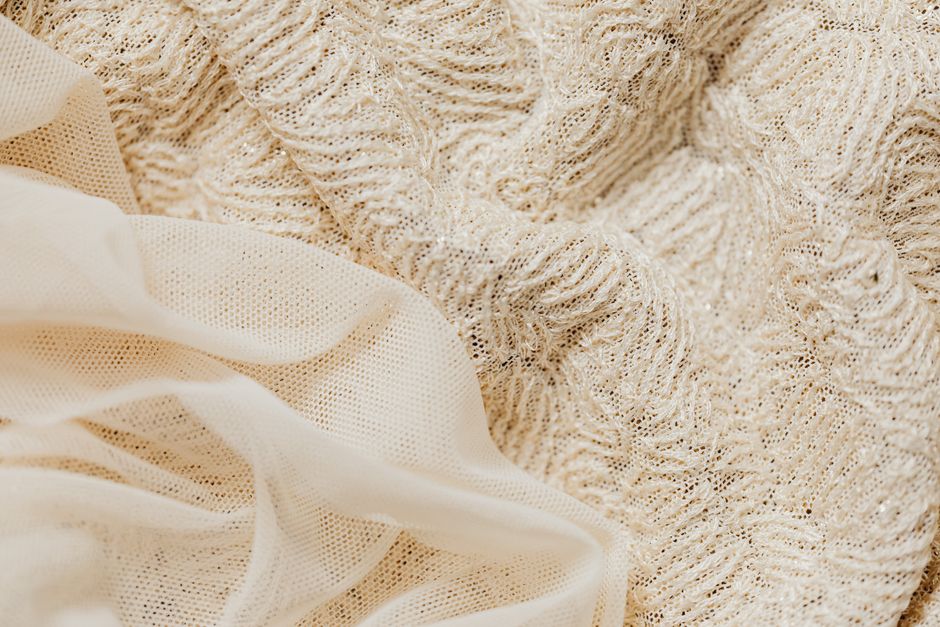
Sheer curtains are typically woven from lightweight synthetic fibers like polyester, nylon, or cotton blends, creating a smooth, semi-transparent fabric. The weave is uniform and fine, giving a soft, airy feel that drapes elegantly. Lace curtains, on the other hand, are characterized by open, decorative patterns formed by twisting, looping, or knitting threads. Lace can be made from cotton, linen, or synthetic yarns, and often features intricate designs like floral motifs, scalloped edges, or geometric shapes. The texture of sheer is uniformly soft and minimalist, while lace offers a more tactile, ornate surface with varying levels of transparency depending on the pattern density.
From a visual standpoint, sheers appear as a continuous translucent sheet, while lace is a network of holes and solid areas. This fundamental difference in construction affects every other aspect, from light filtration to privacy. When choosing between the two, consider the overall aesthetic you want: sheer for a clean, modern look; lace for vintage or romantic charm.
___PROTECTED_1___
2. Light Filtering
Sheer curtains are designed to filter light gently, diffusing harsh sunlight into a soft, ambient glow while still allowing visibility to the outside. The even weave creates a consistent level of brightness throughout the room, reducing glare without completely blocking natural light. Lace curtains also allow light through, but their patterns create dappled light effects on walls and floors, adding visual interest as sunlight shifts throughout the day.
Because of the open holes in lace, more direct light may pass through compared to sheers, but the pattern breaks up the beam into shadows and highlights. For rooms needing bright but soft, uniform light—like living rooms or home offices—sheers are more consistent. For decorative shadow play and a more dynamic atmosphere, lace wins. Both are excellent for controlling glare while maintaining a connection to the outdoors.
___PROTECTED_2___
3. Privacy
Privacy levels differ significantly between these two fabrics. Sheer curtains provide moderate privacy during daylight hours because they obscure shapes but still show silhouettes. At night, with interior lights on, they become more transparent, making it possible for outsiders to see movement or outlines. For this reason, sheers are often paired with blackout curtains or used in layers. Lace curtains, depending on the pattern density, can offer even less privacy due to the openwork. Tightly woven lace with small holes may block views better, but generally, lace is less private than sheers.
If privacy is a primary concern, neither fabric alone is ideal for ground-floor windows facing busy streets. Both are better suited as decorative layers behind heavier drapes. In upstairs rooms or areas with natural screening, sheers or lace can be used alone for a softer look. For bedrooms or bathrooms, always consider additional liners or shades.
4. Maintenance and Care
Sheer curtains are usually machine washable on a gentle cycle and require low heat ironing or steaming to remove wrinkles. They dry quickly and are resistant to shrinking if made from synthetics. However, they are prone to snagging if washed with rougher items like jeans or towels. Lace curtains are more delicate; many require hand washing or professional dry cleaning to preserve the intricate patterns and prevent fraying. Cotton lace can yellow over time and may need gentle bleaching, while synthetic lace is easier to care for but still less durable than sheers.
Overall, sheers are lower maintenance and more forgiving for busy households. Lace demands careful handling—avoid machine drying and ironing directly on the pattern. If you want a low-maintenance window treatment, sheer curtains are the practical choice. For those willing to invest time in preservation, lace offers unique beauty.
5. Style and Aesthetics
Sheer curtains offer a minimalist, modern elegance. They create a clean, unobstructed look that expands the sense of space and pairs well with contemporary, Scandinavian, or mid-century decor. Their neutrality allows them to blend with any color scheme. Lace curtains evoke a vintage, romantic, or cottage-style charm. They add texture, pattern, and a handcrafted feel to a room. Lace works beautifully in traditional settings, farmhouse style, or shabby chic interiors.
Your choice should reflect the desired mood. Sheers are versatile and can be used in any room—living room, bedroom, office, or even kitchen. Lace is often reserved for bedrooms, dining rooms, or formal spaces where a softer, more decorative touch is welcome. Combining both can create an intriguing layered look, with sheers behind lace for depth.
6. Durability
Sheer fabrics, especially high-quality polyesters, are resistant to fading from UV exposure, wrinkles, and mildew, making them long-lasting in various climates. The tight weave also resists pulling and snags better than lace. Lace, particularly cotton lace, can be more fragile; threads may pull, break, or unravel with regular use or cleaning. Synthetic lace blends are more durable but still less robust than solid sheer fabric because of the open structure.
For high-traffic areas, sun-exposed windows, or homes with pets and children, sheers are the safer bet. Lace may need periodic repairs and is best reserved for low-traffic or decorative-only applications. Proper installation—using a rod pocket vs. clips—also affects longevity. Overall, sheers offer superior durability for everyday use.
7. Cost
Sheer curtains are generally affordable, especially those made from synthetic materials. They come in a wide price range, from budget-friendly store options to high-end custom designs. The cost per panel is often lower than lace for comparable sizes. Lace curtains, especially handmade or intricately patterned designs, can be more expensive due to labor-intensive production. Machine-made lace is cheaper but may lack the intricacy and quality of handcrafted pieces.
When budgeting, consider that sheers are often sold in pairs and require less special care, reducing long-term costs. Lace, while potentially more costly upfront, adds unique value to a room. If you need multiple panels, sheers are more economical. For a single statement window, investing in lace can be worthwhile.
Quick Summary Table
| Aspect | Sheer Curtains | Lace Curtains |
|---|---|---|
| Material | Uniform, smooth weave | Open, patterned network |
| Light Filtering | Soft, even diffusion | Dappled, pattern shadows |
| Privacy | Moderate (better daytime) | Lower (more see-through) |
| Care | Machine washable, low maintenance | Hand wash or dry clean, delicate |
| Style | Modern, minimalist | Vintage, romantic |
| Durability | High, resistant to wear | Lower, prone to snags |
| Cost | Generally affordable | Can be expensive, especially handmade |
In conclusion, both sheer and lace curtains have distinct advantages. Your choice depends on your priorities: light control, privacy, style, or budget. Sheers are versatile, durable, and easy to care for—ideal for everyday use. Lace offers unmatched decorative charm and a soft, romantic ambiance but requires more maintenance. For many rooms, using them together provides the best of both worlds: the practicality of sheers with the elegance of lace overlay.