1. Heavy Fabrics Create Formal, Structured Drapes
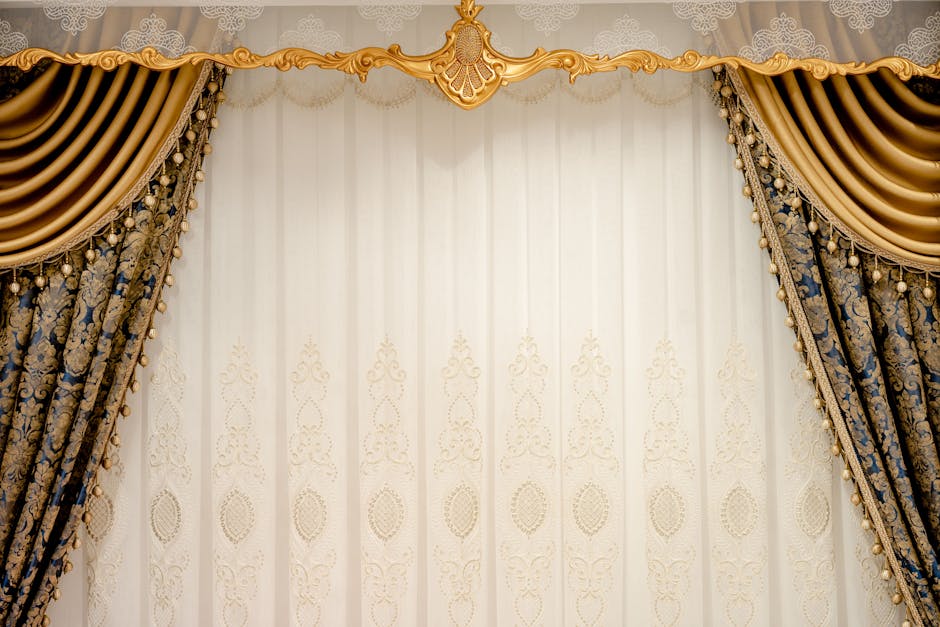
Heavy curtain fabrics, typically weighing over 300 grams per square meter (GSM), are synonymous with luxury and formality. Velvet, thick brocade, and multi-layer blackout fabrics fall into this category. Their substantial weight causes them to hang in deep, uniform folds that exude elegance. When pleated, heavy fabrics hold their shape beautifully—pinch pleats or goblet pleats create dramatic, sweeping lines that anchor a room.
However, weight also affects how the curtain behaves. These fabrics resist movement, so they won't flutter in a breeze, which is desirable for acoustic curtains in home theaters or formal dining rooms. Maintenance is higher: heavy curtains require strong rods and brackets, and dry cleaning is often necessary. The trade-off is unmatched light blockage—perfect for blackout curtains in bedrooms—and noise reduction.
___PROTECTED_1___
2. Medium-Weight Fabrics Balance Drape and Function
Medium-weight fabrics (150–300 GSM) offer the best compromise between structure and flow. Examples include cotton-polyester blends, linen-look weaves, and standard blackout linings. These fabrics produce soft, natural folds without being too stiff or too limp. They are ideal for living rooms where you want a tailored look but still need practical light filtration.
Drape is affected by the weave and finish. A tighter weave gives more body, while a looser weave (like cotton sateen) hangs slightly softer. Medium-weight fabrics work with most heading styles—eyelet, tab top, or rod pocket. They also balance light control: sheers are too light, blackout too heavy, but medium-weight curtains can block 50–80% of light when lined. For acoustic applications, medium-weight layers can reduce noise moderately without sacrificing aesthetics.
___PROTECTED_2___
3. Lightweight Fabrics Offer Airy, Casual Looks
Sheer and voile fabrics (under 150 GSM) are the lightest, producing ethereal, billowy drapes. Their drape is fluid and irregular, creating a romantic, casual vibe. Sheers diffuse light beautifully, making them popular for living spaces that need soft illumination while preserving privacy. However, the lightweight nature means they lack structure—folds are shallow and can appear messy if not styled properly.
Because of low weight, pleats may not hold well; instead, use ripple fold or simple tab tops. Light fabrics are easy to clean and require minimal hardware, but they offer no light blocking or noise reduction. For buyers seeking both airiness and privacy, layering sheers with medium-weight curtains is a common solution. Care: machine washable, but avoid overloading to prevent wrinkles.
4. Fabric Weight Influences Pleat Styles and Heading Types
The weight of your curtain fabric directly dictates which heading (pleat) styles will work. Heavy fabrics need strong headings: pinch pleats (3-finger) or double pleats provide the necessary structure to hold deep folds. Medium fabrics can handle pencil pleats, goblet pleats, or eyelet headings—these create consistent scallops. Light fabrics perform best with simple rod pockets, tab tops, or ripple fold systems that allow movement.
Choosing the wrong heading can ruin the look. For example, using rod pockets on heavy blackout fabric will cause bunching and poor draping. Similarly, pinch pleats on sheers will pull the fabric and create awkward gaps. Always match heading to fabric weight for a polished appearance. Buyers should consult curtain fabric weight tables before ordering custom drapes.
5. Weight Affects Light Control and Privacy
Light control is directly proportional to fabric weight. Heavy fabrics (like multi-pass blackout) block 99% of light, essential for bedrooms and media rooms. Medium fabrics block 50–80%, suitable for living areas where some ambient light is desired. Light sheers block 10–30% but provide daytime privacy by creating glare.
Weight also impacts privacy at night. Heavy curtains ensure no one can see silhouettes, while light fabrics become transparent when interior lights are on. For acoustic curtains, weight adds mass, damping sound transmission. Heavier fabrics (over 400 GSM) can reduce noise by 30–50%. Home theaters often use velvet or blackout with extra weight. When buying, consider the room's light and privacy needs—matching fabric weight is key.
6. Weight Impacts Maintenance and Care Needs
Heavier curtains require more maintenance. velvet may need vacuuming and special cleaning; blackout linings can fray if washed incorrectly. Medium fabrics are usually machine-washable on gentle cycles, but may need ironing. Light sheers are easiest to care for—machine wash, tumble dry low, minimal ironing.
Fabric weight also determines how often to clean. Heavy curtains attract less dust but are harder to clean, so they last longer between deep cleans. Light fabrics soil faster due to static, but are quick to refresh. For acoustic curtains, avoid excessive washing as it can damage the dampening layer. Always check care labels: some weights require professional dry cleaning. For optimal longevity, use curtain linings to protect heavier fabrics from sun damage.
In conclusion, understanding curtain fabric weight is essential for achieving the desired drape and look. Whether you prioritize formal elegance, casual airiness, or practical function, weight is the foundation. Use this guide when choosing your next curtain purchase.