When external noise disrupts your peace—whether it's traffic, neighbors, or street sounds—the right curtain fabric can make a significant difference. Noise reduction through curtains is not just about adding any fabric; it's about selecting materials with specific acoustic properties that absorb, block, or dampen sound waves. This comprehensive guide walks you through the essential factors to consider when choosing curtain fabric for maximum noise reduction, ensuring you invest in a solution that delivers measurable quiet.
Why Fabric Choice Matters for Noise Reduction
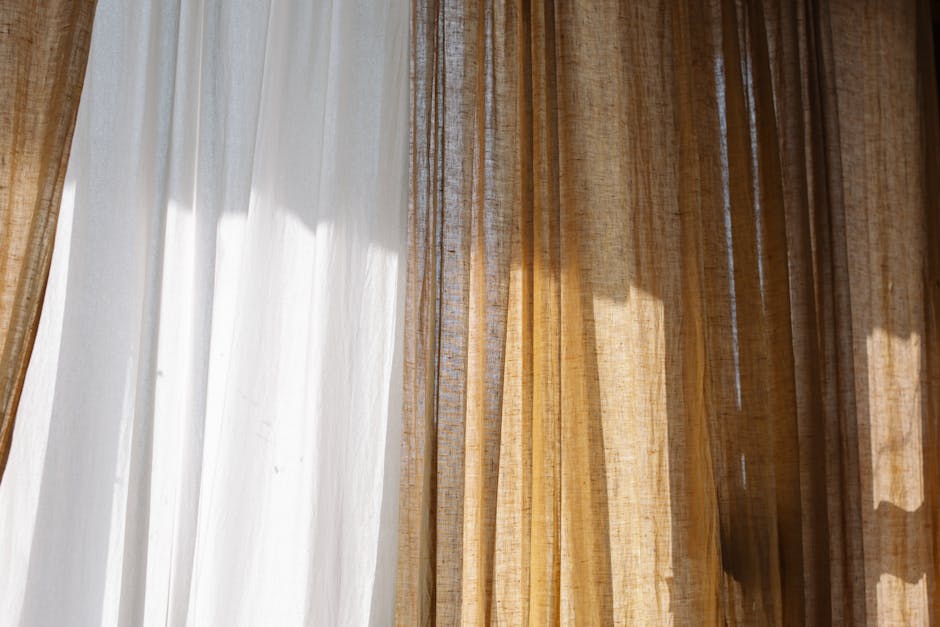
Sound travels through air and solid materials. Curtains act as a barrier and absorber. The fabric's density, thickness, mass, and weave structure directly impact its ability to attenuate noise. Lightweight, sheer fabrics allow sound to pass through with minimal obstruction, while heavy, dense fabrics trap and dissipate acoustic energy. Choosing the wrong fabric can leave you with mere decoration instead of functional soundproofing.
___PROTECTED_1___
Key Acoustic Properties to Look For
Mass and Density
Sound waves lose energy when they encounter mass. Heavier fabrics (measured in grams per square meter, GSM) naturally block more sound. Look for fabrics with a GSM over 300 for noticeable reduction, and over 500 for superior performance. Velvet and acoustic curtain fabrics often exceed 600 GSM.
Thickness and Pile Height
Thicker materials create a longer path for sound to travel through, increasing absorption. Velvet's high pile and felted backings enhance this effect. A fabric thickness of at least 2–3 mm is recommended; acoustic panels can be 5 mm or more.
Weave and Texture
Loose, porous weaves allow sound to pass through easily. Tight weaves, such as those found in high-density blackout linings, act as better barriers. Textured surfaces (e.g., crushed velvet or corduroy) scatter sound waves, reducing reflection.
Acoustic Ratings (STC and NRC)
Some manufacturers provide Sound Transmission Class (STC) and Noise Reduction Coefficient (NRC) ratings. STC measures how much sound is blocked; NRC measures absorption. For curtains, look for an STC of 20+ or an NRC of 0.5+ when layered.
___PROTECTED_2___
Best Fabric Types for Noise Reduction
| Fabric Type | Noise Reduction Effectiveness | Key Features | Best Use Cases |
|---|---|---|---|
| Acoustic Curtain Fabric | Excellent (STC 20–30) | Thick, multi-layered, often with mass-loaded vinyl core; up to 90% sound absorption | Home theaters, recording studios, urban apartments |
| Velvet | Very Good (STC 15–22) | Dense pile, heavy weight (600–800 GSM), luxurious feel; traps sound in its fibers | Bedrooms, living rooms, luxury hotels |
| Blackout Fabric | Good (STC 12–18) | Heavy backing (foam or acrylic), often lined; blocks light and moderate noise | Nurseries, offices, sleep environments |
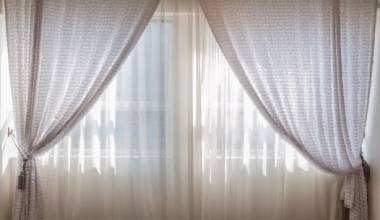
| Sheer Fabric | Poor (STC < 8) | Lightweight, transparent; minimal sound blocking – not recommended for noise reduction | Decorative only; pair with heavier drapes for dual function |
Factors Beyond the Fabric Itself
Layering
Combining a heavy blackout lining with an outer decorative fabric significantly boosts noise reduction. Each layer adds mass and creates air gaps that disrupt sound transmission. Use a separate acoustic liner or invest in double-track systems.
Sealing Gaps
Even the most effective fabric loses its acoustic benefit if sound leaks around the sides, top, or bottom of the curtain. Install curtains that extend well beyond the window frame (overlap by 4–6 inches on each side) and touch the floor. Use magnetic seals or track systems with side channels to eliminate gaps.
Mounting and Track Systems
Ceiling-mounted tracks with a valance box create a sealed pocket that traps sound. Avoid standard rod pockets; use grommets or concealed pleats for a tighter fit. Acoustic curtain tracks with built-in foam gaskets further enhance performance.
How to Assess Fabric Quality for Soundproofing
- Weight test: A fabric that feels heavy and stiff indicates high density. Lift it – if it's flimsy, it won't block noise.
- Fold test: Fold the fabric in layers – if it stays thick and opaque, it has good mass.
- Burn test (safe area): Synthetic fibers like polyester often have better acoustic properties than natural fibers due to uniform density. But ensure fire retardancy.
- Ask for specifications: Request GSM, STC/NRC ratings, and thickness in millimeters from manufacturers like Fabricut, AcoustiCurtains, or your supplier.
Practical Tips for Maximum Noise Reduction
- Choose curtains with a minimum of two layers: base fabric + acoustic lining.
- Opt for floor-to-ceiling and wall-to-wall installations to cover as much surface area as possible.
- Use a curtain weight rod or bottom hem weights to keep the fabric taut against the wall.
- Combine curtains with other soft furnishings (carpets, upholstery) to reduce overall room echo.
- For severe noise issues, consider acoustic curtains specifically designed for sound studios; they often contain mass-loaded vinyl inserts.
Care and Maintenance of Acoustic Curtains
Proper care preserves acoustic performance. Avoid frequent washing as it can compress fibers and reduce density. Instead, vacuum gently using a brush attachment. If needed, dry-clean heavy curtains. For blackout or acoustic linings, spot clean only. Check manufacturer guidelines to avoid shrinking or delamination of the backing.
Conclusion
Choosing curtain fabric for maximum noise reduction requires a focus on mass, density, and construction. Acoustic curtain fabric with a lined construction offers the best performance, followed by heavyweight velvet and multi-layer blackout materials. Sheer fabrics, while beautiful, do not reduce noise. Remember that proper installation—sealing gaps, overlapping walls, and using a sealed track—is just as important as the fabric itself. By evaluating the acoustic properties detailed in this guide, you can select curtains that transform your space into a quiet sanctuary.