When it comes to creating a dark, restful environment, blackout curtains are a game-changer. But not all blackout fabrics are created equal. The material you choose affects light blockage, energy efficiency, texture, and maintenance. Whether you’re outfitting a bedroom, home theater, or commercial space, understanding blackout curtain fabric types is essential to making the right investment. This guide breaks down the most common options, their pros and cons, and how to select the best one for your needs.
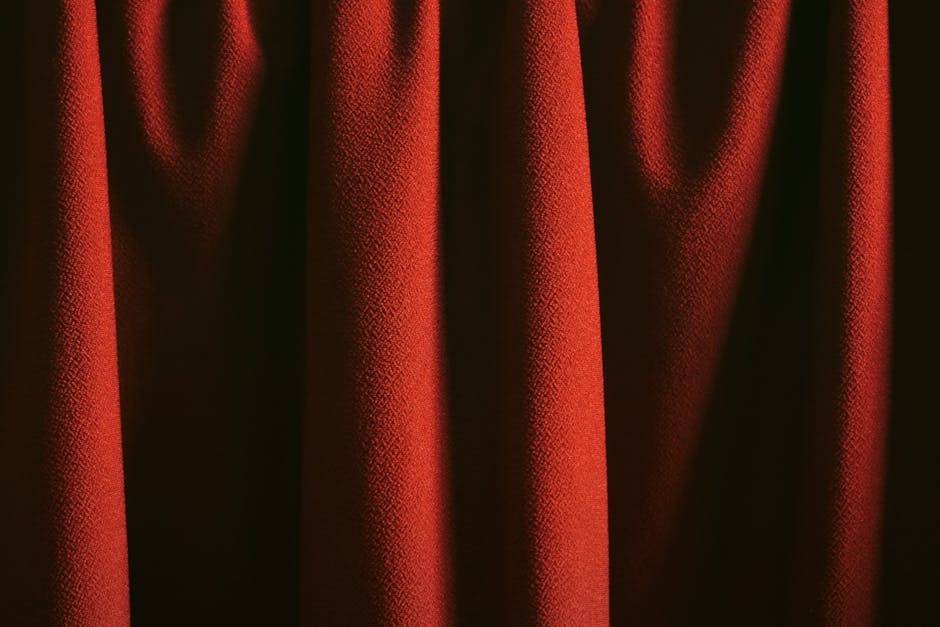
Understanding Blackout Curtain Fabrics
Blackout curtains are designed to block external light from entering a room. They achieve this through dense weaves, multiple layers, or special coatings. While all block light, their performance varies based on fabric thickness, color, and construction. Key factors include the degree of darkness (often rated as 1-3 for room-darkening vs. 100% blackout), insulation properties, and sound absorption. Knowing these basics helps you navigate the various blackout curtain fabric types available.
___PROTECTED_1___
Why Fabric Type Matters for Light Blocking
Fabric directly impacts how much light passes through. Lightweight materials like sheer won’t block much, while tightly woven, thick fabrics like velvet excel. The color also plays a role—darker shades absorb more light. However, some advanced fabrics use a foam or acrylic coating to achieve near-total darkness even with lighter hues. For complete light control, prioritize blackout curtain fabric types with a triple-weave or an inner blackout lining.
___PROTECTED_2___
Polyester Blackout Curtains – Affordable and Effective
Polyester is the most common blackout fabric due to its low cost and durability. It’s often woven with a tight construction and may have a rubberized or foam back coating. Benefits include wrinkle resistance, easy care (machine washable), and decent light blockage (typically up to 95%). However, polyester can trap heat and may feel less breathable. It’s ideal for budget-conscious projects or high-humidity areas like bathrooms. Look for double-layered polyester for better blackout performance.
Practical Tip:
Check the fabric’s weight—heavier polyester (e.g., 200+ GSM) usually provides better darkness and drape. Avoid cheap, thin variants that may only offer room-darkening.
Cotton Blackout Curtains – Natural and Breathable
Cotton blackout curtains appeal to those seeking a natural, eco-friendly option. They are soft, breathable, and come in diverse prints. To achieve blackout, cotton is either woven densely or backed with a thick acrylic coating. True 100% cotton blackout fabrics are rare because cotton naturally isn’t dense enough—most are poly-cotton blends. Ensure the label mentions “blackout” to confirm the coating. Cotton requires careful washing (cold cycle, low heat drying) to prevent shrinkage.
Practical Tip:
If you choose cotton, opt for a dark color or a fabric with a built-in white backing to avoid the stiff feel of coating. Also, consider cotton velvet (velveteen) for a natural fiber with better light blocking.
Velvet Blackout Curtains – Luxury and Maximum Light Block
Velvet is the gold standard for both luxury and light blockage. The dense pile and heavy weight make it one of the most effective blackout curtain fabric types. Velvet blocks nearly 100% of light, adds thermal insulation, and muffles sound. Polyester velvet is the most practical (crush-resistant, fade-resistant) while genuine silk velvet is delicate and costly. Velvet works beautifully in formal living rooms, bedrooms, and home theaters.
Practical Tip:
Use a cotton flannel lining behind velvet if you want even darker results. Velvet curtains need professional cleaning to maintain their pile—avoid machine washing.
Multi-Layer Blackout Fabrics – The Ultimate Performance
Multi-layer blackout fabrics combine several layers—an outer design layer, a middle blackout core (often foam or dense weave), and a back lining. This construction offers the best light control, insulation, and noise reduction. The outer layer can be polyester, cotton, or even linen. This type is popular in hotels, hospitals, and high-end residences. The trade-off: they are heavier, require strong curtain rods, and are pricier.
Practical Tip:
For total blackout, look for “triple weave” or “3-pass” technology. The multiple layers also help reduce drafts, so these are great near windows.
Thermal Blackout Curtains – Energy Efficiency Plus Darkness
Thermal blackout curtains combine light-blocking properties with insulation. They typically have a dense foam or acrylic interlayer that traps air, reducing heat transfer. These are ideal for rooms with poor window insulation. Many are made from polyester or a polyester-cotton blend with a thermal coating. While they block 90-99% of light, the focus is on energy savings. Some models have a reflective backing that faces the window to retain heat in winter.
Practical Tip:
Check the R-value (insulation rating) if energy efficiency is key. Heavier thermal blackout curtains offer better thermal performance but may need a stronger track.
Blackout Lining: The Invisible Hero
You don’t always need to buy dedicated blackout fabric. Adding a blackout lining to existing curtains can dramatically improve darkness. Linings are usually made from polyester or acrylic with a dense weave or foam coating. They attach via hook tape, snap tape, or are sewn in. This allows you to keep your favorite sheer or lighter curtain while gaining blackout benefits. It’s a cost-effective solution for rented spaces.
Practical Tip:
Choose a lining with a high light-blocking rating (e.g., 100% blackout liner). For thermal benefits, pick an insulated lining. Ensure the lining is machine-washable if the main curtain is.
How to Choose the Right Blackout Fabric for Your Room
Consider the room’s purpose. For bedrooms, tight-woven polyester or velvet ensures total darkness for sleep. For home theaters, velvet or multi-layer fabrics eliminate all stray light. For a nursery, non-toxic cotton blackout curtains with no chemical smell are safer. If energy bills are a concern, thermal blackout or multi-layer fabrics reduce heating/cooling costs. For renters, a blackout lining is a non-permanent solution. Below is a comparison table of common blackout curtain fabric types.
| Fabric Type | Light Blockage | Insulation | Sound Absorption | Care | Best For |
|---|---|---|---|---|---|
| Polyester | Up to 95% | Moderate | Low | Machine wash | Budget, high-traffic areas |
| Cotton (blend) | 85-95% | Good | Moderate | Cold wash | Eco-conscious, nurseries |
| Velvet | 99-100% | Excellent | High | Dry clean | Luxury, theaters, bedrooms |
| Multi-layer | 99-100% | Excellent | High | Varies | Hotels, heavy-duty blackout |
| Thermal | 90-99% | Superior | Moderate | Machine wash (most) | Energy savings, cold rooms |
| Blackout Lining | Varies (up to 100%) | Varies | Low | Check label | Adding darkness to existing drapes |
Caring for Different Blackout Curtain Fabrics
Proper care extends the life of your blackout curtains. Always check the manufacturer’s label. In general:
- Polyester: Machine wash cold, gentle cycle, line dry or low heat. Avoid bleach.
- Cotton blends: Wash cold, mild detergent, drip dry. May need ironing after washing.
- Velvet: Vacuum using upholstery brush; spot clean with mild soap; professional dry clean only.
- Multi-layer: Usually spot clean or dry clean to avoid damaging the interlayer.
- Thermal: Many are machine washable on gentle, but avoid fabric softener which can degrade the backing.
- Linings: Separate from curtain if possible; wash on delicate, hang dry.
Practical Tip:
To dust blackout curtains monthly, use a vacuum with a brush attachment. This prevents buildup that can reduce light-blocking efficiency over time.
Frequently Asked Questions
What is the best blackout curtain fabric for total darkness?
Velvet and multi-layer fabrics provide the highest light blockage (99-100%). For budget options, dense polyester with a foam backing is effective.
Can I wash blackout curtains?
Some can, but many high-performance types (velvet, multi-layer) require dry cleaning. Always check the care tag. Harsh washing can separate coatings.
Are blackout curtains safe for children?
Yes, but choose fabrics that are free from flame retardants and formaldehyde—look for Oeko-Tex certification. Cotton or natural fiber options are safer.
Do blackout curtains reduce noise?
Thick, dense fabrics like velvet and multi-layer offer moderate sound absorption by dampening echoes, but they are not acoustic panels.
Conclusion
Selecting the right blackout curtain fabric depends on your priorities: tight budget (polyester), eco-friendliness (cotton), luxury (velvet), or maximum performance (multi-layer). By understanding the characteristics of each blackout curtain fabric type, you can create the perfect dark retreat that also enhances energy efficiency and style. For professional advice, consult a curtain specialist who can show you physical samples and help you match fabric to your needs. Happy draping!