Velvet vs Sheer Curtains: Which Keeps Your Home Warmer in Winter?
When the temperature drops, curtains become more than just decoration—they become a barrier against the cold. Velvet and sheer curtains serve very different purposes, but which one actually helps retain heat? In this comparison, we examine their insulation properties, fabric thickness, light control, and overall winter performance to help you make an informed choice.
Insulation Performance
Velvet Curtains
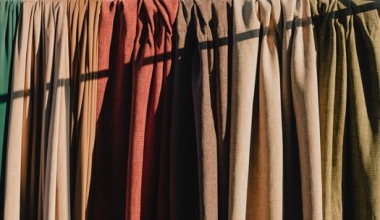
Velvet is a heavy, densely woven fabric with a short pile. Its thickness traps air between the fibers, creating a natural thermal buffer. When lined with a thermal backing or interlining, velvet curtains can reduce heat loss through windows by up to 25%. The fabric’s dense weave also minimizes drafts.
Sheer Curtains
Sheer curtains are lightweight, loosely woven, and often made of polyester, cotton, or linen blends. They offer minimal insulation. While they diffuse sunlight beautifully, they do little to block cold air. In winter, sheer curtains alone will not keep a room warm; they may even allow heat to escape through the window glass.
Feature Comparison Table
| Feature | Velvet Curtains | Sheer Curtains |
|---|---|---|
| Insulation Value (R-value equivalent) | Medium to High (0.8–1.5) | Very Low (<0.3) |
| Thermal Backing Option | Available (adds significant warmth) | Rare; usually not designed for backing |
| Draft Blocking | Excellent (heavy pile blocks airflow) | Poor (loose weave allows drafts) |
| Light Blocking | Near total blackout possible | High light transmission |
| Moisture Management | Moderate (needs care in high humidity) | Good (quick-drying) |
| Aesthetic Richness | Opulence, depth, and texture | Airy, soft, and minimal |
| Care & Maintenance | Dry clean or gentle wash | Machine washable easy |
| Cost per Panel (standard size) | $40–$150 | $15–$50 |
How Window Heat Loss Works
Windows are responsible for 25–30% of residential heat loss. Cold air seeps through gaps and radiates off the glass. To combat this, curtains should act as a barrier. Velvet’s high density and ability to hold still air make it superior. Sheer fabrics, being permeable, allow warm air to circulate near the glass and cool down quickly.
Layering Strategy: Combining Both
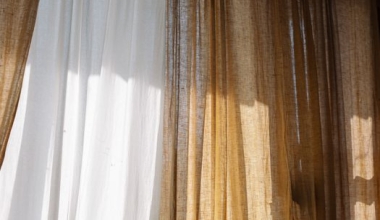
For maximum winter warmth, consider layering sheers under velvet. The sheer layer diffuses light and adds an air gap, while the velvet provides the primary insulation. This combination also gives you flexibility: close the velvet at night for warmth, open it during the day to let in passive solar heat, and keep sheers closed for privacy.
Other Factors
Energy Savings
Using thermal-backed velvet curtains can lower heating bills by 10–15% in cold months. Sheers alone have negligible impact on energy costs.
Room Aesthetics
Velvet creates a cozy, cocoon-like atmosphere—perfect for winter bedrooms and living rooms. Sheers keep spaces bright and open but can feel cold and uninviting in winter if used alone.
Recommendation
If your primary goal is winter warmth, choose velvet curtains with thermal lining. They outperform sheers in every thermal metric. For a balanced approach, hang sheers behind velvet to maintain light control during the day. Avoid using only sheers in uninsulated windows—they will not keep you warm.
For bedrooms, opt for blackout velvet panels. For living rooms where you want natural light, use a combination of sheer and velvet on separate rods or a double track system. This way, you can adjust both warmth and brightness as needed.
Final Verdict
Velvet Curtains are the clear winner for winter insulation. Sheer curtains, while beautiful, are best used as a secondary layer or in mild climates. Invest in high-quality velvet with a dense weave and thermal backing for the coziest winter months.
- Perfect for: Bedrooms, living rooms, drafty windows
- Not recommended: Bathrooms or high‑humidity areas (unless specially treated)
- Best pairing: Velvet + Sheer layer for versatility
Need help measuring or choosing the right fabric? Browse our curtain fabric guide or contact our experts for personalized advice. Stay warm this winter with the right curtains!