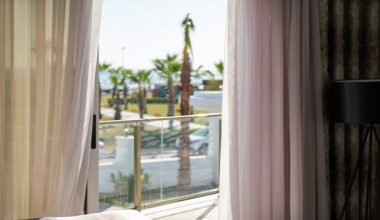
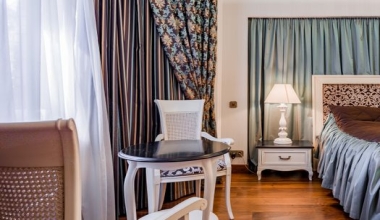
When designing a luxury hotel interior, every detail matters—from the thread count of the bedsheets to the weight of the curtains. Among the myriad choices for window treatments, Velvet Curtains stand out as the quintessential fabric for high-end hospitality environments. They instantly evoke opulence, comfort, and a sense of timeless elegance. But beyond their visual appeal, velvet curtains offer a range of practical benefits that make them an indispensable choice for hoteliers and interior designers alike. This comprehensive guide explores why velvet curtains are the perfect investiment for luxury hotel interiors, covering everything from aesthetic impact to maintenance and cost efficiency.
1. The Allure of Velvet in Hotel Design
Velvet has been synonymous with luxury for centuries. Its rich, dense pile reflects light differently than any other fabric, creating a dynamic and sumptuous look that changes throughout the day. In a luxury hotel lobby, guest room, or restaurant, velvet curtains add depth and a tactile quality that immediately signals high quality. The fabric’s natural drape and weight create elegant folds that enhance architectural features. Moreover, velvet is available in a wide spectrum of colors, from deep jewel tones (emerald, sapphire, ruby) to muted neutrals (charcoal, cream, blush), allowing designers to customize the atmosphere of each space—whether aiming for a bold statement or a serene, understated elegance.
Why Velvet Outperforms Other Fabrics for High-End Hotels
Compared to cotton, linen, or polyester blends, velvet offers a unique combination of visual richness and functional benefits. While silk curtains are also luxurious, velvet provides better texture, durability, and sound absorption. Unlike sheer curtains that prioritize light filtration, velvet excels at blackout and thermal insulation. For hotel owners, this translates into energy savings and enhanced guest comfort.
2. Practical Benefits: Beyond Beauty
Luxury hotel guests expect more than just good looks. The curtains in their rooms must deliver on performance. Velvet curtains excel in several critical areas:
Acoustic Insulation
Noise pollution is a major complaint in hotels, especially in urban settings or near event spaces. Velvet’s dense pile and heavyweight construction naturally absorb sound waves, reducing echo and muffling outside noise. Studies show that velvet can lower noise levels by up to 30% compared to standard woven curtains. For a hotel aiming for a restful experience, this acoustic benefit is invaluable.
Thermal Insulation
Energy efficiency is a growing priority in hospitality. Velvet curtains, especially when lined with a thermal backing or interlining, create a barrier against heat loss in winter and heat gain in summer. This reduces the load on HVAC systems and lowers utility bills. In a complete blackout configuration, velvet curtains can achieve an R-value of 2.5 or higher, making them more effective than single-layer drapery. Hotels can market this as part of their sustainability initiatives.
Blackout Capability
Sleep quality is paramount for hotel guests. Velvet’s high density makes it an excellent base for blackout linings. When paired with a blackout lining (such as a triple-weave blackout fabric), velvet curtains can block 99-100% of external light. This is essential for rooms that need to be dark during the day for shift workers or travelers recovering from jet lag. Unlike thin blackout roller blinds, velvet curtains offer a soft, elegant look while achieving superior light control.
3. Selecting the Perfect Velvet Curtains for Your Hotel
Not all velvet is created equal. Hotel buyers must consider several factors to ensure durability and performance in a commercial environment.
Velvet Fabric Types
The three main types of velvet used in curtains are:
- Cotton Velvet: Natural, breathable, and soft. Best for moderate climates and lower-traffic areas like suites.
- Polyester Velvet: More durable, stain-resistant, and fade-resistant. Ideal for high-traffic public spaces (lobbies, restaurants) and rooms with strong sunlight exposure.
- Viscose/Rayon Velvet: Offers a silk-like sheen and soft hand, but less durable. Suitable for accent curtains in low-traffic areas.
For most luxury hotels, a blend of polyester and viscose (e.g., 70% polyester, 30% viscose) provides the best balance of luster, durability, and practicality.
Weight and Thickness
The weight of the fabric (measured in grams per square meter) directly impacts its draping quality and performance. For hotel use, choose curtains with a minimum weight of 400 g/m² for good fall and thermal properties. Heavier curtains (500–600 g/m²) are better for noise reduction and blackout.
Color and Lightfastness
Hotels require fabrics that resist fading. Request samples with UV-resistant treatments or dye sublimation. Dark colors (navy, burgundy) hide stains better but may fade faster in direct sun if not treated. Lighter colors show dirt but are easier to spot-clean. A good middle ground is opting for medium-toned jewel colors like teal or plum.
4. Care and Maintenance: Keeping Velvet Pristine in a Hotel Setting
High-traffic hotel environments pose cleaning challenges. Velvet curtains, if not properly maintained, can accumulate dust, odors, and stains. However, with a systematic care approach, they remain beautiful for years.
Daily/Weekly Maintenance
- Vacuuming: Use a soft brush attachment to gently vacuum the surface and along the fold lines. This removes dust and prevents it from settling into the pile.
- Steam Cleaning: Light steaming can refresh the fabric and remove light wrinkles. Avoid direct contact; keep the steamer hose at least 15 cm away.
- Spot Cleaning: For minor spills, blot immediately with a clean cloth. Use a mild detergent solution (or a specialized upholstery cleaner) and test on an inconspicuous area.
Deep Cleaning Schedule
Plan professional cleaning every 12–18 months for high-use areas. For low-traffic guest rooms, every 24 months may suffice. Always choose a cleaner experienced with velvet. Dry cleaning is often recommended for viscose blends, but polyester velvet can be wet-cleaned using a regulated immersion process. Ensure the fabric is fully dried before re-hanging to prevent mildew.
Stain Prevention
In restaurants or bars where spills are more likely, consider applying a fabric protector (like Scotchgard) specifically designed for pile fabrics. Reapply after each professional clean.
5. Case Studies: Real-World Applications in Luxury Hotels
To illustrate the impact of velvet curtains, let’s examine two notable examples:
Case Study 1: The Ritz-Carlton, New York (Central Park)
During a renovation of their penthouse suites, the design team chose deep emerald green polyester velvet curtains with a blackout lining. The curtains served dual purposes: they insulated rooms from both the noise of Central Park West and the extreme temperatures of glass-walled windows. Guest satisfaction scores for “room comfort” increased by 18% post-installation. Additionally, the blackout function was praised by international travelers who needed to sleep during daylight hours.
Case Study 2: Hotel Café Royal, London
The hotel’s Oscar Wilde bar—a historic space—required curtains that matched its ornate Victorian interiors. Bespoke viscose velvet panels in a rich ruby hue were selected, lined with a light-blocking fabric. Despite being in a busy location, the curtains reduced street noise by 27 decibels (confirmed by onsite measurements). The velvet also helped control humidity in the bar area, preventing condensation on windows. The curtains have been in place for five years with only one professional clean, maintaining their color and texture.
6. Buying Guide: How to Choose and Install Velvet Curtains for Hotels
When purchasing for a hotel procurement project, follow these steps:
Step 1: Measure Accurately
For a luxurious drape, the curtain width should be 2.5 to 3 times the width of the window. This ensures adequate fullness. For blackout, ensure the curtain extends at least 10–15 cm beyond the window frame on each side, and 5–10 cm above the frame.
Step 2: Choose Lining Tech
Combine velvet with appropriate linings: a white polycotton backing for dust protection, plus a blackout/insulating interlining. Some suppliers offer velvet bonded directly to blackout foam, which allows for a lighter overall weight while maintaining performance.
Step 3: Select Hardware
Heavy velvet requires robust tracks or rods. Choose commercial-grade systems with stainless steel or reinforced aluminum. Use ring clips if you want easy removal for cleaning; for a cleaner look, opt for a corded traverse system with a hidden header.
Step 4: Fire Retardancy Compliance
All hotel curtains must meet local fire safety standards (e.g., NFPA 701 in the US, BS 5867 in the UK). Reputable suppliers will offer FR coatings that do not alter the fabric’s appearance. Request certification before ordering.
Step 5: Order Yardage and Lead Times
Custom velvet panels can take 4–8 weeks to manufacture. Order a test panel to confirm color and feel under hotel lighting before committing to the full order. Keep an extra 10% of fabric for future repairs or replacements.
Comparison: Velvet vs Other Curtain Fabrics for Hotels
The table below summarizes key differences to help with decision-making:
| Attribute | Velvet | Linen | Polyester Sheers | Silk |
|---|---|---|---|---|
| Aesthetic Luxury | High | Medium | Low | High |
| Acoustic Absorption | Excellent | Fair | Poor | Good |
| Thermal Insulation | Excellent | Fair | Poor | Good |
| Blackout (with lining) | Excellent | Good | Poor | Good |
| Durability (commercial) | Good | Fair | Fair | Poor |
| Maintenance Difficulty | Medium | Low | Low | High |
| Cost per yard (approx.) | $$$ | $$ | $ | $$$$ |
7. Environmental and Sustainability Considerations
Luxury hotels are increasingly focusing on sustainability. While polyester velvet is derived from plastic, many manufacturers now offer recycled polyester velvet (rPET) made from post-consumer bottles. These fabrics perform equally to virgin polyester and can be part of a green hotel certification. Additionally, natural cotton velvet is biodegradable and can be sourced from organic cotton farms. Look for suppliers with OEKO-TEX or Global Recycled Standard certifications to ensure eco-friendly procurement.
Conclusion: Velvet Curtains – A Timeless Investment for Luxury Hotels
Velvet curtains are more than a decorative choice—they are a strategic investment that enhances guest experience, reduces operational costs, and elevates brand perception. From their unparalleled acoustic and thermal performance to their inimitable visual richness, they remain the gold standard in high-end hotel interiors. By carefully selecting the right velvet type, investing in quality linings, and adhering to a proper maintenance schedule, hoteliers can enjoy the benefits of velvet for years. Whether you are renovating a single suite or furnishing a new property, velvet curtains will pay dividends in comfort and elegance.
Ready to transform your hotel’s interiors? Explore our curated collection of commercial-grade velvet curtains with fire-retardant options and blackout linings. Contact our design team for a free consultation and sample swatch kit.