Hotel curtains do more than add a touch of elegance to a guestroom—they control light, provide privacy, reduce noise, and contribute to the overall ambiance. But with constant exposure to dust, oils, food particles, and even cigarette smoke, these fabrics require regular, professional-grade care. Improper cleaning can shrink, warp, or discolor expensive drapery, leading to costly replacements. This comprehensive guide walks you through every step of cleaning hotel curtains—from identifying fabric types to drying techniques—so you can maintain a pristine, welcoming environment for guests while extending the life of your investment.
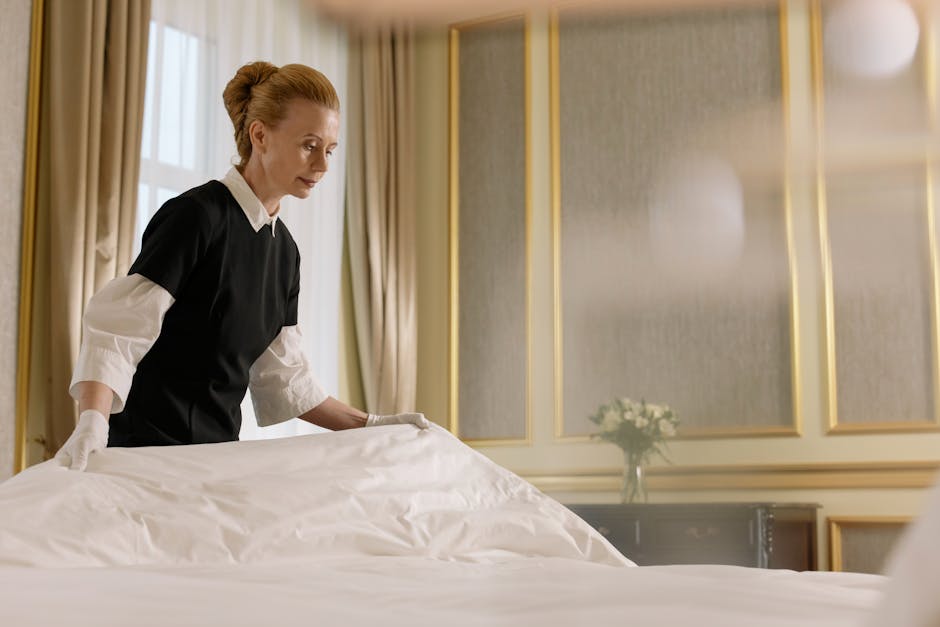
Why Cleaning Hotel Curtains Matters for Guest Experience
First impressions are everything in hospitality. Curtains that appear dingy, smell musty, or have visible stains can instantly lower a guest’s perception of cleanliness. Beyond aesthetics, accumulated dust and allergens can aggravate sensitive guests. Regular cleaning also prevents fabric degradation, saves money on replacements, and upholds brand standards. A well-maintained curtain not only looks fresh but also preserves vital properties like light-blocking for blackout fabrics and sound absorption for acoustic curtains.
___PROTECTED_1___
Understanding Your Curtain Fabric: The First Step to Safe Cleaning
Hotel curtains come in several common fabric types, each with unique cleaning requirements. Misidentifying the material is the fastest way to damage it. Below is a quick reference table.
| Fabric Type | Key Properties | Cleaning Sensitivity |
|---|---|---|
| Blackout (polyester, foam-backed) | Blocks light, thermal insulation | Moderate – avoid high heat; foam backing can crack |
| Sheer (polyester, nylon, silk blends) | Lightweight, translucent | High – can snag, stretch, or shrink easily |
| Velvet (cotton, polyester, or blends) | Luxurious pile, softness | Very high – pile crush, water marks |
| Acoustic (heavy polyester, felt, multi-layer) | Sound absorption, dense weave | Moderate to high – layers may separate if wet cleaned |
___PROTECTED_2___
Pre-Cleaning Steps: What to Do Before You Wash
1. Read the Care Label
Every commercial curtain should be labeled with care instructions. Look for symbols: a circle inside a square indicates dry cleaning; a crossed-out tub means “do not wash”; a line under the tub means gentle cycle. Never rely on guesswork.
2. Test for Colorfastness
Dampen a white cloth with mild detergent and blot an inconspicuous area (like a bottom corner). If any color transfers, the fabric is not colorfast and should only be dry cleaned.
3. Vacuum Thoroughly
Before any wet cleaning, use a brush attachment to vacuum both sides of the curtain. Pay special attention to the top pleats and hems where dust accumulates most. This step removes loose dirt and reduces the risk of dirt turning into mud during washing.
4. Remove Hardware
Take down any rings, hooks, or weights. If the curtain has weighted bottoms, remove them carefully to avoid damage during cleaning.
Cleaning Methods Tailored to Each Fabric Type
Blackout Curtains
Blackout curtains often have a three-layer construction: a decorative face, a blackout lining, and sometimes a third acoustic layer. The foam backing in many budget blackout curtains is sensitive to heat and harsh agitation.
- Machine washing: Use cold water, gentle cycle, and mild detergent. Do not use bleach or fabric softener—they degrade the coating. Wash with like colors only.
- Drying: Tumble dry on the lowest heat or no heat (air fluff) setting. Remove while slightly damp and hang to finish drying. Never iron directly on the backing; use a low-heat iron on the fabric side if needed.
- Alternative: For heavily soiled blackout curtains, professional wet cleaning is safer than home washing.
Sheer Curtains
Sheer fabrics are delicate. They can be hand-washed or machine-washed in a mesh laundry bag with cold water on a delicate cycle.
- Hand washing: Swish gently in a basin of cool water with a mild wool detergent. Do not wring or twist.
- Machine: Use a lingerie bag, no spin or a very low spin cycle.
- Drying: Hang to dry immediately after washing—wet sheers are heavy and can stretch. Never put sheers in the dryer.
- Stain spot treatment: Use a gentle stain remover on grease stains (common near dining areas) and rinse thoroughly.
Velvet Curtains
Velvet requires the most care. The pile can be permanently crushed by heat, pressure, or water.
- Dry cleaning is the safest method for velvet, especially cotton or blended velvets. If the label says “dry clean only,” never attempt to wash.
- Steam cleaning: For polyester velvets, gentle steam cleaning (professional handheld steamer) can refresh and remove odors without water damage.
- Spot cleaning: Blot stains with a clean cloth dampened with a mild solution, then brush gently with a soft brush in the direction of the pile. Avoid rubbing.
- Drying: Never wring velvet. Hang to dry away from direct sunlight. After drying, steam or brush to restore pile.
Acoustic Curtains
These curtains are dense, often multi-layered, and designed to absorb sound. They are heavy and may not be easily machine-washable.
- Vacuuming with a brush attachment is the primary maintenance.
- Spot clean only with a damp cloth and mild soap. Avoid saturating the inner layers.
- Professional cleaning is recommended for deep cleaning. Many acoustic curtains have a flame-retardant coating that can be damaged by washing.
- Drying: If wet cleaned, air dry flat or hang with strong support. Use fans to speed drying to prevent mildew in the dense layers.
Stain Removal Tips for Common Hotel Curtain Stains
| Stain Type | Treatment Method | Caution |
|---|---|---|
| Food / grease | Blot with paper towel, apply a small amount of dish soap mixed with water, then rinse with cold water. Use a clean cloth to dab. | Don't rub – pushes stain deeper. |
| Red wine | Blot immediately with a dry cloth, then apply salt or baking soda to absorb. Vacuum after 10 minutes. If stain persists, use a gentle oxygen-based bleach (test first). | Never use hot water – sets the stain. |
| Ink / pen | Dab with rubbing alcohol using a cotton ball. Repeat until ink lifts. Rinse with cold water. | Test on inconspicuous area first – alcohol may affect dyes. |
| Mold / mildew | Mix white vinegar and water (1:3). Spray or sponge onto stain. Let sit for 15 minutes, then blot. For stubborn mildew, professional dry cleaning may be needed. | Vinegar may alter color on some fabrics – test first. |
Drying and Rehanging Hotel Curtains Correctly
Improper drying can ruin even the best cleaning effort. Follow these guidelines:
- Never use high heat – it shrinks fabrics and damages blackout coatings.
- Line drying is safe for most fabrics, but heavy wet curtains (especially acoustic) can stretch. Dry them flat on a clean sheet.
- Use a dehumidifier or fan in the room to speed drying in humid climates.
- Rehang curtains while slightly damp – the weight helps remove wrinkles as they dry. But wait until fully dry before closing them to avoid mildew.
- Steam wrinkles with a garment steamer once hung rather than ironing.
Maintenance Schedule for Hotel Curtains
To keep curtains fresh between deep cleans, implement a routine:
- Weekly: Quick vacuum with soft brush attachment to remove surface dust.
- Monthly: Spot-check for stains and address immediately.
- Quarterly: Steam refresh (especially for velvet and acoustic) to remove odors.
- Annually or biannually: Professional deep cleaning depending on usage and guest turnover.
- After check-out of a smoking guest or pet-friendly room: Immediate cleaning to neutralize odors and remove dander.
DIY vs. Professional Cleaning: When to Call the Experts
While many hotel curtains can be safely cleaned in-house with proper care, certain situations warrant professional handling:
| Situation | Recommendation |
|---|---|
| Heavy soil, unknown stains, or yellowing | Professional wet cleaning or dry cleaning |
| Velvet or silk curtains | Always professional dry cleaning |
| Acoustic curtains with internal layers | Specialist cleaning to avoid delamination |
| Large quantity (e.g., after a renovation) | Outsource to save time and ensure consistency |
| Flame-retardant curtains | Check with supplier; some treatments are water-soluble |
A good rule of thumb: if you have any doubt about the fabric or your cleaning method, call a commercial laundry service experienced with hospitality textiles. The cost of cleaning is far less than replacing an entire set of custom drapery.
Conclusion: Keep Your Hotel Curtains Looking Like New
Cleaning hotel curtains doesn’t have to be intimidating. By knowing your fabrics, following the care label, and applying the right techniques—whether it’s a gentle machine wash for blackout panels or a careful dry clean for velvet—you can maintain a fresh, luxurious appearance that guests will notice. Create a cleaning schedule, train your housekeeping staff on the basics, and partner with a reliable professional cleaner when needed. Your curtains will not only look better but last longer, saving your hotel money and enhancing guest satisfaction.