Introduction
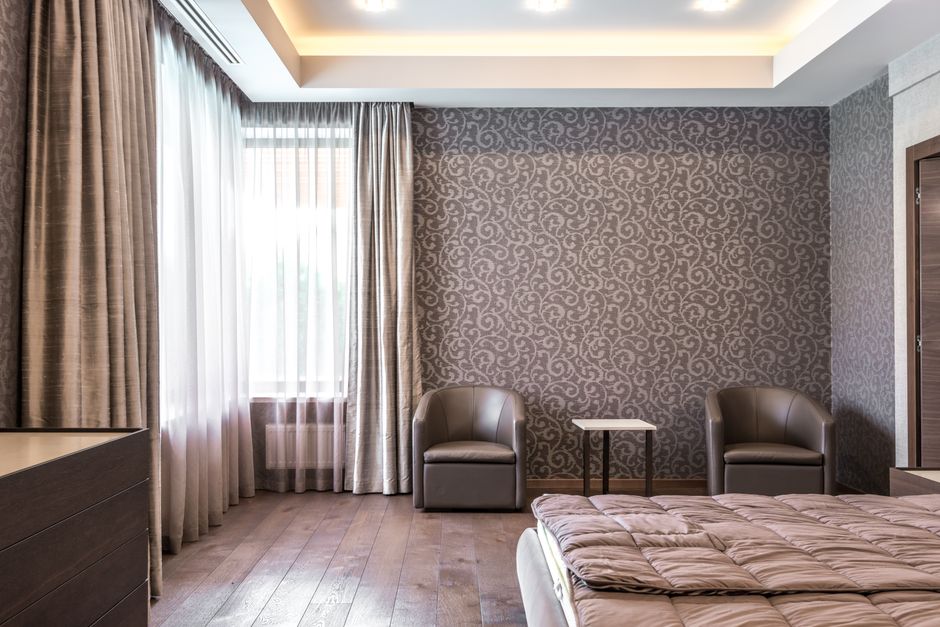
Hotel curtains are far more than decorative elements; they are functional investments that affect guest comfort, energy efficiency, and regulatory compliance. The right fabric choice must balance aesthetics, durability, fire safety, light control, and acoustic performance. This guide covers everything hoteliers, interior designers, and purchasing managers need to know about selecting curtain fabrics for hospitality environments.
___PROTECTED_1___
Key Requirements for Hotel Curtain Fabrics
Fire Retardancy
Fire safety is non-negotiable in hotels. Curtains must comply with local fire codes, such as NFPA 701 (US), BS 5867 (UK), or EN 13773 (EU). Look for fabrics that are inherently flame-resistant or treated with a durable fire retardant. Always request a certificate of compliance from the manufacturer.
Durability and Longevity
Hotels experience high wear and tear from frequent use, cleaning, and sun exposure. Choose fabrics with high abrasion resistance (e.g., 30,000+ double rubs per Martindale test) and UV stability to prevent fading. Polyester blends, solution-dyed acrylics, and treated cottons are popular choices.
Light Control
Guest rooms require blackout curtains (100% light blockage) for restful sleep. For lobbies and dining areas, light-filtering or sheer fabrics create ambiance. Look for blackout linings or triple-woven fabrics that achieve total darkness.
Acoustic Performance
Noise reduction enhances guest satisfaction. Acoustic curtains with thick, dense fabrics (e.g., velvet or multi-layer constructions) can reduce noise by up to 50%. Check the NRC (Noise Reduction Coefficient) rating; a value of 0.5 or higher is ideal for conference rooms and suites.
Privacy
Floor-to-ceiling curtains in guest rooms should be opaque, while sheers in public areas allow soft light without sacrificing privacy. Consider double-track systems for layering sheers and blackout drapes.
___PROTECTED_2___
Types of Fabrics Best Suited for Hotels
Blackout Curtain Fabrics
Blackout fabrics are essential for bedrooms. Options include:
- Triple-woven blackout: No lining needed, high opacity, good insulation.
- Coated blackout: Acrylic or foam-backed; cost-effective but may have limited breathability.
- Lined blackout: A decorative face fabric with a separate blackout liner; allows customization.
Velvet Curtain Fabrics
Velvet adds a luxurious feel and excellent sound absorption. Polyester velvet is durable, color-rich, and often treated for fire resistance. Perfect for suites, ballrooms, and high-end lobbies. However, it can attract dust; opt for anti-static finishes.
Sheer Curtain Fabrics
Sheers provide softness and daylight diffusion. Use in lobbies, restaurants, and corridors. Popular weaves include voile, lace, and organza. For hotels, choose polyester sheers for wrinkle resistance and easy care.
Acoustic Curtain Fabrics
Specifically designed for noise control, these fabrics are heavy (300-600 gsm) with multiple layers. Often used in conference rooms, theaters, and restaurants. Look for a high STC (Sound Transmission Class) or NRC rating.
Additional Considerations
Maintenance and Cleaning
Hotels need fabrics that are easy to clean. Most commercial-grade curtains are dry-clean-only, but some can be machine-washed. Stain-resistant treatments (e.g., Scotchgard) prolong life. Plan for periodic professional cleaning.
Customization
Pleat styles (pinch, goblet, ripplefold), trims, and linings can enhance aesthetics. Ensure the fabric can accommodate custom widths and heights. Motorization options are increasingly popular for convenience.
Energy Efficiency
Thermal curtains reduce heating and cooling costs. Blackout and acoustic fabrics often have insulating properties. Check the R-value (thermal resistance) if energy savings are a priority.
Buying Guide for Hotel Curtain Fabrics
| Fabric Type | Fire Rating | Light Blockage | Acoustic (NRC) | Cost per Linear Yard |
|---|---|---|---|---|
| Triple-woven blackout | NFPA 701 | 100% | 0.3 | $$ |
| Coated blackout | NFPA 701 | 99% | 0.2 | $ |
| Polyester velvet | BS 5867 | 90-95% (with lining) | 0.5-0.6 | $$$ |
| Polyester sheer | NFPA 701 (with FR treatment) | 10-30% | 0.1 | $ |
| Acoustic curtain (multi-layer) | EN 13773 | 95-100% | 0.7-0.8 | $$$$ |
Selection Tips:
- Luxury hotels: Invest in velvet or acoustic curtains with custom trims and motorization.
- Budget hotels: Use coated blackout with polyester blends for cost-effectiveness.
- Boutique hotels: Mix sheers and textured blackout fabrics for a unique ambiance.
Industry Application Cases
Case 1: Grand Hyatt New York installed triple-woven blackout curtains in all guest rooms plus acoustic drapes in banquet halls, achieving a 40% reduction in noise complaints.
Case 2: A boutique resort in Bali used sustainable linen-cotton sheers for lobbies and blackout velvet for villas, balancing eco-consciousness with luxury.
Case 3: A mid-scale chain standardized coated blackout curtains with FR treatment across 200 properties, reducing procurement costs by 15%.
Conclusion
Selecting hotel curtain fabrics requires a thorough evaluation of fire safety, durability, light/acoustic control, and aesthetics. By understanding the properties of blackout, velvet, sheer, and acoustic fabrics, hoteliers can make informed decisions that enhance guest experience and comply with regulations. For expert advice, consult a hospitality fabric specialist or request samples for testing before bulk ordering.