Beige curtains are the unsung heroes of interior design. Often overlooked for bolder hues, this neutral powerhouse can transform a room from chaotic to calm, or from flat to sophisticated. Whether you're draping a sunny living room, a cozy bedroom, or a professional office, the right beige curtain fabric and style can elevate your space. In this comprehensive guide, we explore the best ways to incorporate beige curtains into your home, covering fabric types, layering techniques, and expert styling tips.
Why Choose Beige Curtains?
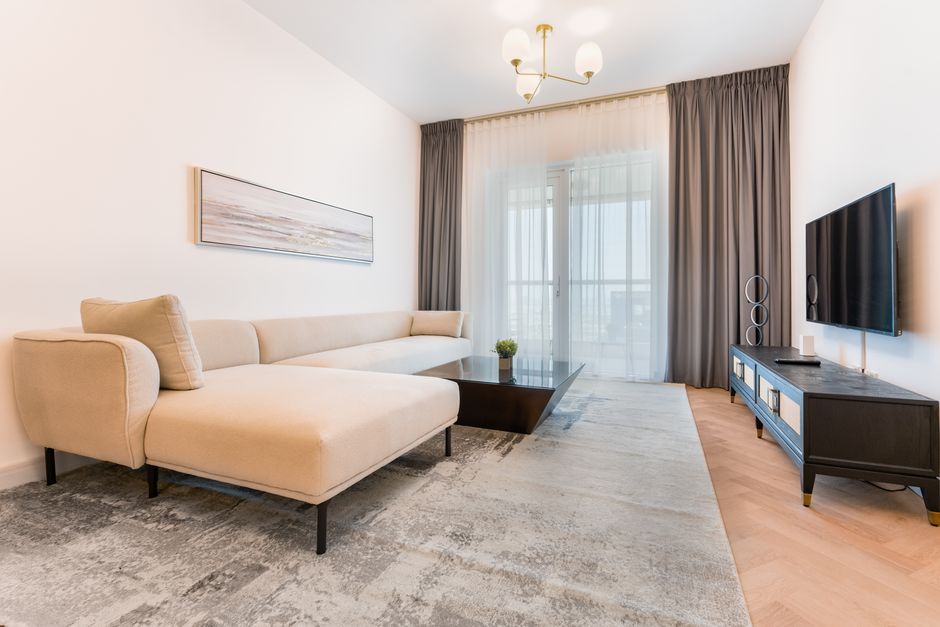
Beige is a chameleon. It can read warm or cool depending on its undertones (pink, yellow, gray, or green) and pairs seamlessly with nearly every color palette. From minimalist Scandi to rustic farmhouse, beige curtains provide a serene backdrop that allows other design elements to shine. They also hide dust and dirt better than white, and their light-diffusing properties create a soft, inviting glow.
___PROTECTED_1___
Selecting the Right Beige Shade
Not all beiges are created equal. Here's how to match undertones to your space:
- Warm beige (yellow/pink undertones): Best for north-facing rooms to add warmth. Pairs with wood, cream, and terracotta.
- Cool beige (gray/green undertones): Ideal for south-facing rooms to tone down brightness. Complements blues, grays, and whites.
- Neutral beige: A true mid-tone that works everywhere. Great for open-concept spaces.
___PROTECTED_2___
Best Fabric Choices for Beige Curtains
The fabric determines light control, privacy, and texture. Consider these options:
Blackout Beige Curtains
For bedrooms or home theaters, blackout curtains block 99% of light. Choose a thick, triple-weave polyester or cotton-poly blend. The beige exterior maintains a warm look, while the blackout lining ensures darkness. Tip: Pair with a sheer beige curtain for daytime softness.
Sheer Beige Curtains
Sheer fabrics (voile, linen, or organza) filter light beautifully. They offer privacy without blocking views, perfect for living rooms or dining areas. Linen sheers add an organic texture; polyester sheers are more affordable and wrinkle-resistant. Tip: Layer sheers behind heavier drapes for depth.
Velvet Beige Curtains
Velvet exudes luxury and warmth. Its plush texture absorbs sound and adds weight to a room. Ideal for formal spaces or bedrooms. Choose a warm beige with a subtle sheen. Velvet blackout options are available. Tip: Use velvet in a tone slightly darker than your walls for a cocooning effect.
Acoustic Beige Curtains
For offices, studios, or noisy rooms, acoustic curtains made with dense felt or multiple layers absorb sound. Beige acoustic panels or drapes can reduce echo while blending into the decor. Look for fabrics with a high Noise Reduction Coefficient (NRC). Tip: Combine with area rugs and upholstery for comprehensive soundproofing.
Styling Beige Curtains: 5 Inspiring Ideas
1. Monochromatic Beige Layering
Create depth by layering different beige shades. Use a lighter sheer behind a darker velvet or blackout panel. For example: sand-colored linen sheers with a warm taupe velvet drape. This technique adds richness without color clutter.
2. Beige and White Contrast
Pair beige curtains with crisp white walls or trim. The contrast highlights the curtain texture. Add white furniture and beige accessories for a clean, airy look. Ideal for Scandinavian or coastal styles.
3. Beige with Bold Patterns
Let beige curtains act as a neutral canvas for patterned upholstery or wallpaper. A geometric rug, floral throw pillows, or a large abstract painting will pop against the calm beige backdrop.
4. Rustic Farmhouse Beige
Choose a coarse linen or cotton beige with visible weave. Hang them high and wide with black wrought-iron rods. Add wooden blinds underneath for texture. This style suits kitchens, breakfast nooks, or country bedrooms.
5. Modern Minimalist Beige
For a sleek, contemporary look, opt for floor-to-ceiling beige curtains in a matte fabric like wool or brushed polyester. Use a hidden track system or simple rings. Keep the room clutter-free with metallic accents in chrome or brass.
Beige Curtains by Room
| Room | Recommended Fabric | Styling Tip |
|---|---|---|
| Living Room | Linen sheers + cotton blackout panels | Layer for flexibility: sheer for day, blackout for movie night |
| Bedroom | Velvet blackout or triple-weave polyester | Choose a warm beige to promote relaxation |
| Home Office | Acoustic felt or thick cotton | Use a light-filtering beige to reduce glare on screens |
| Dining Room | velvet or jacquard beige | Add decorative tiebacks in a contrasting material like leather |
How to Measure and Hang Beige Curtains
Proper installation is key. Follow these steps:
- Width: Measure the window width and multiply by 1.5 to 3 for proper fullness. For beige sheers, use a higher multiplier (2.5-3) for an airy look.
- Length: For a dramatic effect, let curtains kiss the floor (0.5-1 inch above) or puddle slightly (1-2 inches). For modern look, hang exactly to the floor.
- Rod Placement: Place the rod 4-6 inches above the window frame (or near ceiling) to make the room appear taller. Extend 3-6 inches beyond each side to allow curtains to stack without blocking glass.
- Hanging Hardware: Use sturdy brackets that can support the fabric weight. For blackout or acoustic curtains, consider a double rod system for layering sheers.
FAQs About Beige Curtains
Do beige curtains make a room look smaller?
No, if the shade matches your walls or is lighter, they can actually make a room feel larger. The key is to hang them high and wide. Deep beige against light walls may cozy up a large room.
How do I clean beige curtains?
Check care labels. Most polyester blends can be machine washed cold on gentle cycle and hung to dry. Linen and velvet may require dry cleaning or spot cleaning. Use a lint roller for dust between washes.
Can beige curtains be used in a modern home?
Absolutely. Choose sleek, untextured fabrics like matte microfiber or ribbed weave. Pair with minimalist furniture and cool gray tones for a contemporary look.
Conclusion
Beige curtains offer timeless sophistication and flexibility. By choosing the right fabric, shade, and styling, they can anchor any design theme—from boho to modern. Remember to consider light needs, room function, and personal style when making your selection.